If you want a more upright grip, compare vertical mice; if there is little room to move a mouse, consider a stationary trackball. For long lesson plans and PDFs, compare conventional mice by their scrolling and click behaviour. Whichever shape you choose, check hand fit and connectivity, and follow Health and Safety Executive guidance to keep the mouse within easy reach.
Who this choice matters to
Teachers planning for long desk sessions
If you regularly create and revise lessons at home, mouse placement matters alongside shape. The Health and Safety Executive advises keeping the mouse within easy reach so you can use it with a straight wrist.
Document-heavy planners
If your work involves long plans, PDFs, slides and browser-based teaching platforms, consider how you scroll and whether repeated clicks would disturb a shared room.
Small-desk or multi-device home workers
If printed resources crowd your desk, a stationary trackball may be worth comparing with a moving mouse. If you use more than one computer, check the connection and switching options on the particular model.
What to check before buying
Start with the part of lesson planning that most affects your choice: hand fit during long sessions, navigation through documents, available desk space or connection to your devices.
| Concern |
What to check |
Who this matters to |
| Hand fit and reach |
Check the exact variant’s hand-size and handedness guidance, and whether you can keep the mouse close with a straight wrist. |
During long planning sessions, I want a shape that fits my hand without reaching across the desk. Around 33% of consumers put hand fit and comfortable positioning first. |
| Document navigation and noise |
Compare scroll controls and the model’s click-noise description; check software compatibility if you want configurable shortcuts. |
Moving between lengthy plans and PDFs makes scrolling a priority, while repeated clicks may distract others nearby. Around 27% of consumers prioritise document navigation and quieter operation. |
| Desk space |
Check whether the device stays stationary and whether thumb-operated pointer control suits you. |
With books and printed notes taking up the desk, I need pointer control without clearing space for mouse movement. Around 20% of consumers put compact-desk use first. |
| Device connections |
Check Bluetooth support, the available USB ports and whether the exact model includes a receiver or supports device switching. |
Switching between a work laptop and another computer makes a dependable connection my main concern. Around 20% of consumers prioritise connection flexibility. |
Buying pitfalls
-
Assuming an ergonomic shape fits every hand
Variants within a product family can differ. Logitech specifies Lift for small-to-medium hands and offers a left-handed version; its Signature M650 range also has size and handedness options.
Check the hand-size guidance and handedness of the exact variant you intend to buy.
-
Expecting a new mouse to fix the whole desk setup
Mouse shape does not remove the need for a workable reach and posture. The Health and Safety Executive advises placing the mouse within easy reach and using it with a straight wrist.
Review the position of your mouse, forearm, chair, desk and screen together.
-
Assuming wireless models connect in the same way
Bluetooth, USB receiver and device-switching options vary by model, as does support for optional configuration software.
Check your computer’s operating system and ports, the connection methods specified for the mouse and what comes in the box.
-
Choosing a trackball only for its small footprint
A stationary trackball avoids moving the device across the desk, but controlling the pointer with your thumb is different from using a conventional mouse.
If thumb control is unfamiliar, try the model where possible or check the applicable retailer return terms before buying.
Brands to consider
Logitech
Its relevant range spans conventional mice, vertical models and a stationary trackball.
- Logitech specifies hand-size and left-handed options for particular Lift and Signature M650 variants. Its ERGO M575 stays still on the desk, while MX Master 3S offers quiet clicks and fast scrolling.
- These are different designs, not interchangeable fit options; check the exact model and variant against your hand, desk and devices.
HP
The HP 920 is a right-handed vertical mouse with a detachable wrist rest.
- HP specifies five programmable buttons and connection to up to three devices for the 920.
- Check whether its right-handed shape and wrist rest suit your hand and desk arrangement.
Razer
The Pro Click V2 Vertical Edition combines a vertical shape with configurable shortcut features.
- Razer specifies a six-button vertical design with base support.
- Check software compatibility before relying on configurable shortcuts. Razer’s comfort and productivity descriptions are manufacturer claims, not evidence of a health outcome.
Joybuy mice for home lesson planning
These mice offer different starting points for planning at home, including vertical shapes, models described with quieter clicks and a design that can switch between left- and right-handed use. Choose by the needs above rather than treating the list order as a performance ranking.
 No image available
HP 920 Ergonomic Wireless Mouse, Black, with Detachable Wrist Rest
Consider this right-handed vertical model if you want an upright grip while preparing lessons. HP specifies a detachable wrist rest, five programmable buttons and connection to up to three devices. Check hand fit and keep the mouse within easy reach.
View on Joybuy
 No image available
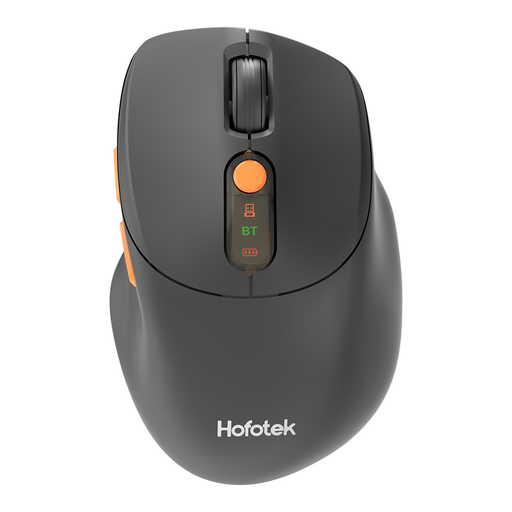
HOFOTEK M311 2.4G+BT Silent Office Mouse, Black-Orange
Consider this model if click noise or connection choice matters in your home workspace. Its title specifies 2.4G+BT wireless modes, adjustable DPI and a 1xAA battery. Check its scrolling behaviour and hand fit if you work through long documents.
View on Joybuy
 No image available
V7 MW500BT Bluetooth Vertical Mouse, 2.4GHz, 6 Buttons
Compare this vertical mouse if you want an upright grip and two wireless connection modes. Its title specifies Bluetooth and 2.4GHz, six buttons and an adjustable 1600 DPI sensor. Check that the shape suits your hand and handedness.
View on Joybuy
 No image available
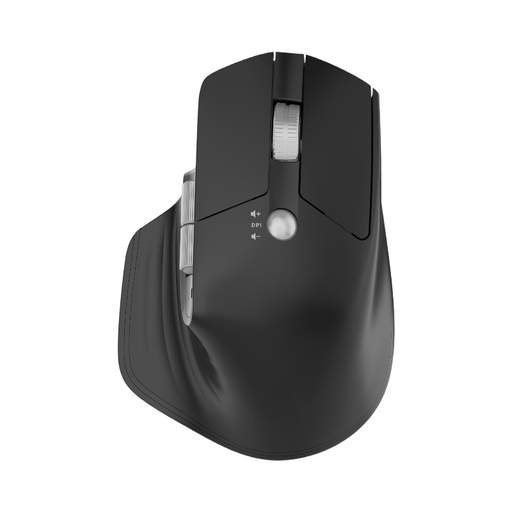
Ochama Bluetooth/2.4G Silent Wireless Mouse
Consider this mouse if you want the stated silent-click design and a choice of Bluetooth or 2.4G connection for planning work. The title also specifies one-touch DPI adjustment. Check hand fit and the connection arrangements for your devices.
View on Joybuy
 No image available
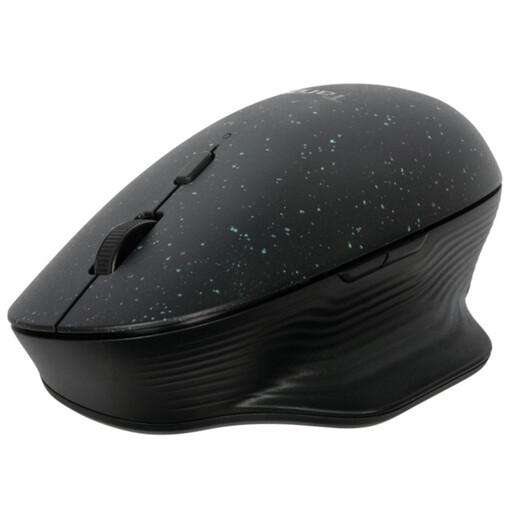
Targus ErgoFlip EcoSmart® Ergonomic Wireless Mouse
Compare this model if handedness flexibility is central to your choice. Before buying, check how its shape converts for left- or right-handed use, whether its connection suits your computer and whether you need to obtain a battery separately.
View on Joybuy
Frequently asked questions
Should I try a vertical mouse if my wrist feels uncomfortable while planning lessons?
A vertical mouse is a shape you can compare, but it is not a standalone fix for discomfort. Check its hand-size guidance and your workstation arrangement: the Health and Safety Executive advises keeping the mouse within easy reach and using it with a straight wrist. If discomfort persists or is related to work, ask your employer about a workstation assessment.
Should I choose Bluetooth or a USB receiver?
Choose Bluetooth if your computer supports it and you want to leave a USB port free; a receiver is another option if Bluetooth is unavailable or does not suit your setup. Check the exact mouse’s connection methods and included accessories, as wireless models differ.
Will quieter clicks matter when preparing lessons at home?
Quieter clicks may matter if you work in a shared room or find repeated clicking distracting. For a product-specific comparison, Logitech says MX Master 3S produces 90% less click noise than MX Master 3; do not apply that figure to other mice labelled quiet or silent.


