Small-desk lesson editors
If your laptop, keyboard and handout pages share a narrow surface, you need room to move the mouse without making document editing awkward.


For a small desk, start with a wireless mouse that leaves enough room beside your keyboard and connects to the devices you use for handout work. A slim, quiet shape may suit shorter editing sessions or shared rooms; a fuller mouse is worth considering if you regularly navigate long documents or use configurable controls. If hand fit or discomfort is the bigger concern, assess the mouse and workstation together rather than choosing the smallest shape.
If your laptop, keyboard and handout pages share a narrow surface, you need room to move the mouse without making document editing awkward.
If you prepare documents and slides across a work laptop, personal computer or tablet, connection compatibility and switching between devices deserve attention.
For extended editing sessions, hand fit and workstation arrangement can matter more than a mouse’s compactness. Posturite advises choosing a mouse to suit the user and the tasks performed.
A slim mouse can preserve desk space, while a fuller office mouse may offer controls or connection choices useful for frequent document work. An ergonomic shape is a separate fit decision, not a substitute for checking the space available and how you arrange your workstation.
| Concern | What to check | Who this matters to |
|---|---|---|
| Desk space and movement | Compare the mouse’s width, depth and height with the space beside your keyboard; consider whether its shape suits your grip. | With handout pages and a keyboard competing for room, I need space to move the mouse without crowding my arm; around 40% of consumers put usable desk space first. |
| Click noise | Look for a manufacturer’s quiet-click description, without treating it as an independent noise measurement. | When I edit near colleagues or in another shared room, repeated clicks could disturb others. Around 30% of consumers make quieter clicking their primary concern. |
| Document work and connections | Check operating-system support, Bluetooth or receiver requirements, and whether the scrolling and buttons suit your documents. | If I work through long PDFs or switch between teaching devices, I need controls and connections that fit that routine; around 30% of consumers prioritise workflow and compatibility. |
A smaller mouse frees desk area, but it may not suit your grip during a long editing session. Posturite’s mouse guidance emphasises fit and the task, not compactness alone.
Check that you can position and move the mouse comfortably in the space available. If possible, assess its shape using your usual grip before committing to it for extended work.
Bluetooth support, receiver connections and supported operating systems differ between mice. A connection listed for one model or variant should not be assumed for another.
Check your computer’s Bluetooth capability and free ports, then confirm the exact mouse variant’s connection method and included accessories.
If your computer has no USB-A port, using a mouse’s USB-A receiver may also require an adapter.
An ergonomic shape still needs to fit your hand, task and desk arrangement. Changing the mouse alone does not address every factor affecting a display-screen workstation.
If you use display screen equipment for work daily, continuously for an hour or more as part of your normal work, the UK Health and Safety Executive says your employer must carry out a workstation assessment. Consider the mouse as part of that wider setup.
These product lines illustrate different shapes and connection choices; check the specification of the particular model you intend to use.
Its Pebble Mouse 2 M350s is a slim option, while the compact MX Anywhere 3S adds controls intended for more involved document work.
The MS3320W is a compact office-oriented option for those comparing Bluetooth with a 2.4 GHz connection.
The 430 Multi-Device Wireless Mouse is an office-mouse option for people considering device switching and configurable buttons.
The Microsoft Bluetooth Mouse is a straightforward Bluetooth option for a compatible Windows computer.
These mice offer different starting points for a desk shared with lesson materials, from a slim portable shape to connection and grip-led options. Compare each one with your available space and devices rather than assuming the same shape will suit every editing session.
 No image available
For a small desk where connection choice matters, compare its footprint with the space beside your keyboard and check which mode suits your computer.
The product name lists 2.4G and Bluetooth connections, adjustable DPI and operation from one AA battery. Assess hand fit if you expect to edit for extended periods.
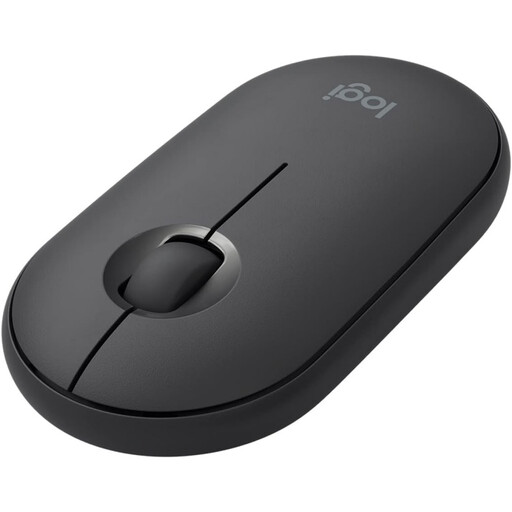 No image available
Consider this slim-shaped option if clearing room beside the keyboard is your priority. Confirm the connection method for this particular variant before ordering, and assess whether its shape suits longer editing sessions.
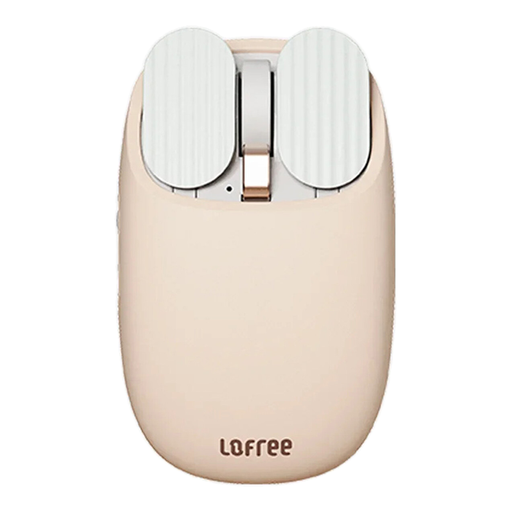 No image available
If you prepare handouts across devices, check how its Bluetooth and 2.4G modes fit your setup. The product name lists five adjustable DPI levels and an 800mAh battery.
Check its dimensions and grip against your available desk space, and confirm whether the stated Boot Camp dual-system limitation applies to your computer.
 No image available
For handout editing in a shared room, this variant is described as having silent clicks. Its product name specifies a 2.4 GHz connection through a USB receiver and a 1600 DPI sensor.
Confirm that your computer can use the receiver, and check desk clearance and grip before relying on it for longer sessions.
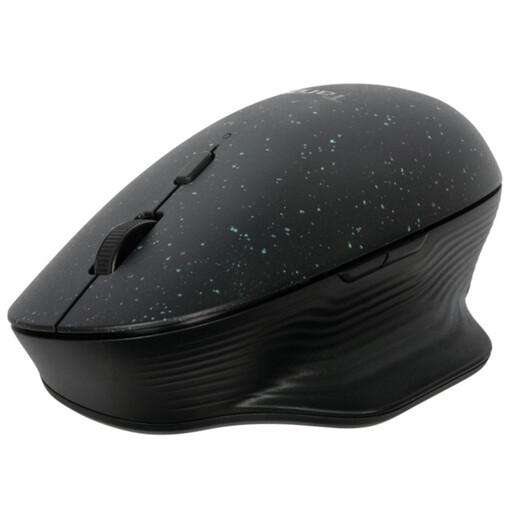 No image available
If grip and handedness guide your choice, assess whether its adjustable shape suits your hand and leaves enough room to move on your desk.
Confirm Bluetooth 5.0 Low Energy compatibility with your device. The product description says the AA battery is not included.
Choose Bluetooth if your computer supports it and you want to keep a USB port free; consider a receiver option if you need a second connection method or cannot use Bluetooth. Check the individual mouse’s supported connections, your available ports and whether the receiver is included.
No. A compact mouse can free desk space, but its fit, your tasks and the wider workstation arrangement also matter. If the mouse feels uncomfortable during editing, reassess its shape and your setup rather than choosing a smaller model solely for its footprint.
For workers who use display screen equipment daily as part of their normal work, continuously for an hour or more, the UK Health and Safety Executive says the display screen equipment rules apply and employers must carry out a workstation assessment. That workplace duty does not require every worker to buy a particular mouse.
Keep the sensor area and desk surface clean, and replace or recharge the battery as directed for the model. For a Bluetooth mouse, follow its pairing instructions and check operating-system compatibility before purchase.