Record keepers with few free USB ports
If a receiver would displace another device, a Bluetooth mouse can leave that port free. Check that the work computer supports Bluetooth and permits pairing.


Choose a Bluetooth mouse if your work computer supports it and keeping a USB port free matters most. If you regularly switch devices or navigate long record lists, consider multi-device controls and scrolling alongside the connection type. A receiver offers a fallback when Bluetooth is unsuitable, but occupies a USB port when used; rechargeable models also need access to power.
If a receiver would displace another device, a Bluetooth mouse can leave that port free. Check that the work computer supports Bluetooth and permits pairing.
If membership work moves between a desktop, laptop or tablet, look for saved connections and a clear way to switch between compatible devices.
Long sessions selecting rows and scrolling records make wheel controls, button configuration and workstation position worth considering alongside connectivity.
Start with the connection your work computer can use without taking a needed port, then weigh device switching, record navigation and a workable power plan.
| Concern | What to check | Who this matters to |
|---|---|---|
| Keeping ports free | Confirm direct Bluetooth pairing and check that Bluetooth is enabled on the work computer. A 2.4 GHz receiver uses a USB port when connected. | If a receiver would displace storage or another essential device, I need a connection that leaves the port free. Around 36% of consumers put port preservation first. |
| Switching devices | Check how many compatible devices the mouse can save and how switching works. | When I move between records on more than one device, repeated pairing would interrupt my work. Device switching is the main concern for around 29% of consumers. |
| Navigating records | Look at scroll-wheel controls and whether button shortcuts need software permitted on your work computer. | If I spend much of the day moving through lists and forms, I want controls that suit those repeated actions. Around 21% of consumers prioritise record navigation. |
| Comfort and power | Assess shape and mouse position; check whether power comes from replaceable batteries or charging and what accessories are included. | For long desk sessions, I need a mouse I can position comfortably and keep powered without disrupting work. Comfort and power planning come first for around 14% of consumers. |
Bluetooth can connect without a mouse receiver, whereas a 2.4 GHz receiver occupies a port when used.
Check that the exact mouse and work computer can pair directly by Bluetooth; treat a receiver as a fallback only if you need one.
A rechargeable mouse still needs periodic access to USB power. HP states that its 715 Rechargeable Multi-Device Mouse does not include a charger.
Check the exact model’s charging connection and box contents, and whether it can be used while charging if interruptions matter to you.
Custom shortcuts may depend on vendor software that a managed work computer does not permit.
Confirm software permissions before relying on button customisation; otherwise, make sure the basic buttons and scrolling meet your needs.
A compact or shaped mouse does not replace an appropriate desk and screen arrangement. The Health and Safety Executive advises positioning the mouse in line with the elbow and using separate input devices for prolonged laptop work so the screen can be raised.
Consider the mouse together with your chair, desk, screen and reach, and assess its fit where possible.
The MX Anywhere 3S illustrates a compact, rechargeable Bluetooth option for work across devices.
The HP 715 Rechargeable Multi-Device Mouse offers Bluetooth and a 2.4 GHz dongle option for office use.
The Dell Bluetooth Travel Mouse MS700 is a compact option for basic pointer-and-scroll work without scheduled USB charging.
The Multi-Device Wireless Mouse (X9 Edition) combines Bluetooth connections with an optional USB-C dongle route.
These mice offer Bluetooth for port-conscious membership-record work. Their receiver options, controls and power arrangements differ, so match those details to your computer and desk setup.
 No image available
Consider this vertical mouse if you want Bluetooth for normal use and a 2.4 GHz receiver option. Its title specifies six buttons and an adjustable sensor up to 1600 DPI; assess whether the shape suits your hand. The receiver uses a USB port when connected, and the stated AA battery needs replacement.
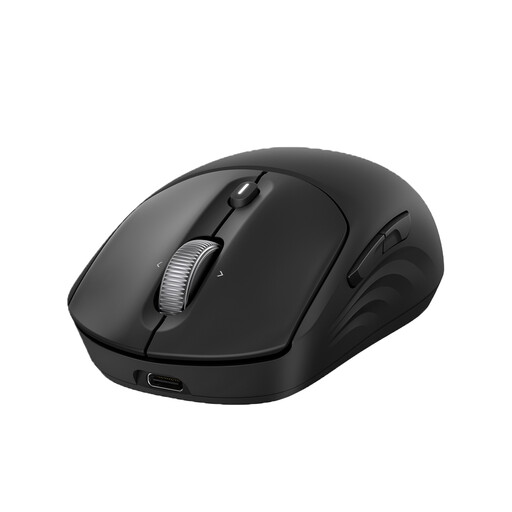 No image available
Consider the HP 700 if you switch between work devices and can charge periodically by USB-C. Bluetooth keeps a computer USB port free; using its receiver occupies one. If button customisation matters, check whether the required software is permitted on your work computer.
 No image available
This Bluetooth and 2.4 GHz mouse suits a setup where avoiding scheduled USB charging matters. Its title specifies adjustable DPI and one AA battery, which will need replacement. The receiver takes a USB port when used; check the switching instructions if you need to use several devices.
 No image available
Consider the MX Master 3S for long record lists if its scrolling controls and Bluetooth connection fit your work. Plan for occasional USB-C charging. If you need a Logi Bolt receiver fallback, confirm whether a receiver is included with this exact product before ordering.
 No image available
Consider this mouse if Bluetooth connectivity and controls for moving through records suit your workflow. USB-C charging needs occasional access to power, while its receiver uses a port when connected. Check work-device permissions before relying on cross-computer features that require a driver and a shared network.
Yes, when it pairs directly with a Bluetooth-capable laptop, it does not need a USB receiver for that connection. Check that Bluetooth is available and enabled on the laptop you use for membership records.
A receiver option is useful if you also need to use a computer without workable Bluetooth. It occupies a USB port when connected, so check the exact mouse’s connection methods, receiver inclusion and your work-computer restrictions before relying on that fallback.
Choose rechargeable power if you have convenient periodic access to USB power; choose replaceable batteries if avoiding charging sessions matters more. Check the exact charging accessories or battery type, and do not treat a manufacturer’s maximum runtime as guaranteed.
Keep the mouse within comfortable reach and in line with your elbow. For prolonged laptop work, the Health and Safety Executive advises using a separate keyboard and mouse so the screen can be raised; mouse shape alone does not replace that setup.