What matters when choosing
Stationary trackball
Choose it when: papers and equipment leave too little room to move a conventional mouse sideways.
Trade-off: Thumb or finger-ball control takes adjustment; check the model's handedness.
Vertical mouse
Choose it when: you want a more upright hand position for longer research sessions and the shell fits your hand.
Trade-off: It still needs room to move, and contoured shapes may be handed.
Compact conventional mouse
Choose it when: familiar pointer control and a mouse you can carry with a laptop matter more than stationary operation.
Trade-off: Even a compact mouse needs clear desk space for movement.
For consumers researching family history at a small desk, start with the need that would decide the purchase: movement space, extended-session fit or familiar navigation.
| Concern | What to check | Who this matters to |
|---|
| Usable desk space |
Check whether the device stays still during pointer movement and whether its footprint fits beside your keyboard. |
With records spread across a narrow desk, I need pointer control without clearing a path for the mouse; around 42% of consumers would put desk space first. |
| Fit during longer sessions |
Check hand-size guidance, handedness and button reach. The Health and Safety Executive also advises positioning a mouse in line with the elbow. |
When comparing records for a long stretch, I want a shape I can use comfortably as part of a workable desk setup; around 33% of consumers would prioritise fit. |
| Familiar record navigation |
Check scroll behaviour and whether the stated Bluetooth or USB-receiver connection suits your computer. |
If I move between long indexes and scanned pages, I may prefer the mouse controls I already know; around 25% of consumers would make familiar navigation their main concern. |
Conventional mice on Joybuy
These conventional wireless mice are choices for family-history research when you prefer familiar pointer control and have room to move a mouse. If lateral movement is your main constraint, compare them with the stationary trackball route above.
 No image available
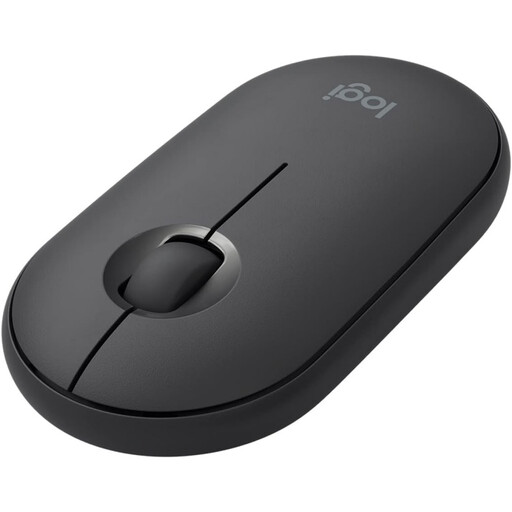
Logitech Pebble Mouse – Black
Consider this low-profile conventional mouse if you want familiar control at a crowded desk but can leave room to move it.
Check its connection method and scrolling controls against your computer and record-browsing habits.
View on Joybuy
 No image available
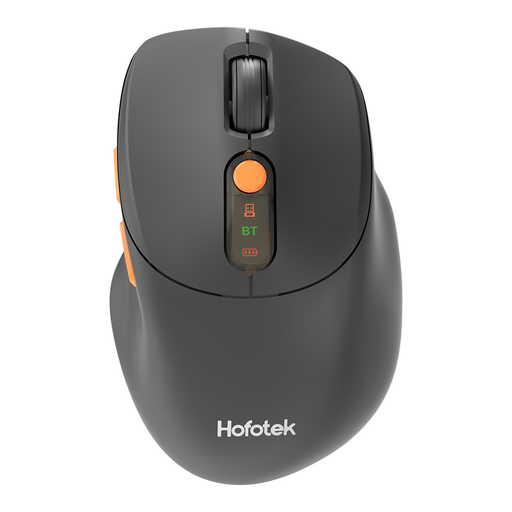
HOFOTEK M311 2.4G+BT Silent Mouse – Black-Orange
For conventional pointer control when quiet clicks and a choice of wireless connection matter; allow desk space for mouse movement.
The product name specifies adjustable DPI and a 1xAA battery. Check handedness and scroll behaviour before ordering.
View on Joybuy
 No image available
Philips 3000 Series SPK7378B/00 – EU Version, Black
For quiet conventional-mouse use where you can accommodate mouse movement and connect a USB receiver.
The product name specifies 2.4GHz wireless connection, a USB receiver and 1600 DPI. Check physical dimensions if clearance is especially tight.
View on Joybuy
 No image available
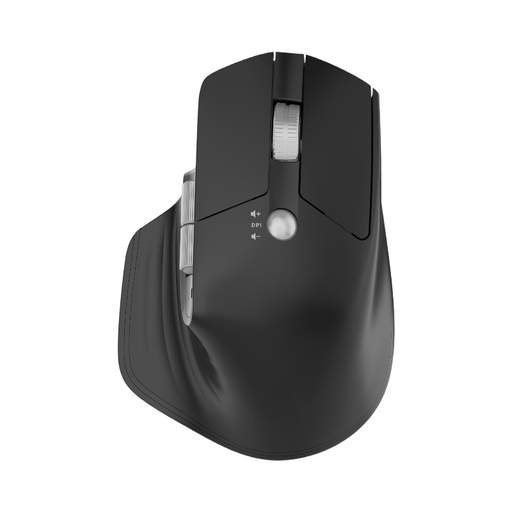
Ochama Bluetooth/2.4G Silent Wireless Mouse
Consider this mouse if you want quiet clicks and a choice between Bluetooth and 2.4G wireless connection, with room to move it on the desk.
The product name specifies one-touch DPI adjustment. Check dimensions, handedness and operating-system compatibility for your setup.
View on Joybuy
Frequently asked questions
Is a trackball worth considering for a very small desk?
Yes, if moving a mouse sideways is the main difficulty: Logitech says its ERGO M575 stays in place during use, while Kensington describes stationary trackballs for limited desk space. Decide whether thumb or central finger-ball control is the better fit for you.
Will a vertical mouse resolve wrist or arm discomfort?
A vertical shape alone cannot settle that question. Check whether the mouse fits your hand, and follow the Health and Safety Executive's advice to consider mouse position and the whole workstation rather than changing only the mouse.
What should a left-handed researcher check?
Check the exact handed version before ordering: Logitech offers a left-handed Lift, while Kensington describes its Orbit Wireless Trackball as ambidextrous. A product's ergonomic shape does not, by itself, establish left-handed suitability.
How do I check computer compatibility?
Match the exact mouse's stated connection method and software requirements to your computer. Logitech describes Bluetooth support for MX Anywhere 3S across several operating systems, while Kensington flags a Windows ARM-based limitation for its KensingtonWorks software with Orbit Wireless; check whether you need that software before ordering.


