Tax preparers working around paperwork
If receipts, statements and a keyboard occupy most of a small desk, the space left for pointer movement may decide whether a conventional mouse or a stationary trackball makes sense.


If paperwork leaves almost no room to move a mouse, consider a stationary thumb-operated trackball; if there is enough clear surface and you prefer familiar pointer control, consider a compact conventional mouse. A vertical mouse is another option when hand fit during long sessions matters more than minimising its footprint. Whichever shape you choose, check its connection method and scrolling controls against the computer and documents you use.
If receipts, statements and a keyboard occupy most of a small desk, the space left for pointer movement may decide whether a conventional mouse or a stationary trackball makes sense.
Reconciling records means moving between cells and scrolling through documents. Hand fit, desk layout and breaks deserve attention alongside pointer controls; the Health and Safety Executive notes that prolonged or improper display-screen use can contribute to fatigue and upper-limb problems.
If you switch between computers or have few free USB ports, check whether the exact mouse supports Bluetooth, a USB receiver or both. The connection your computer can use matters more than a feature listed for a different model.
Choose the pointer shape around the clear space you actually have, then weigh hand fit and document-navigation needs. These three routes solve different parts of the same small-desk problem.
Consider it when: Papers leave little room for mouse travel; Logitech says its ERGO M575 stays in place during use.
Trade-off: Moving the pointer with your thumb takes a different technique, so assess whether it suits your record-entry work.
Consider it when: You have some clear surface and want familiar mouse movement in a smaller body.
Trade-off: A compact shape may offer less palm support; check its fit rather than judging comfort from size alone.
Consider it when: An upright grip appeals to you during longer sessions and the particular model fits your hand.
Trade-off: Its shape still needs desk clearance and does not replace a suitable workstation arrangement or breaks.
| Concern | What to check | Who this matters to |
|---|---|---|
| Limited desk space | Measure the clear area beside your keyboard with the paperwork in place. Check a conventional mouse’s dimensions and the room needed to move it, or consider a stationary trackball. | When receipts cover the desk, I need pointer control without clearing papers every time. Around 42% of consumers would put available mouse space first. |
| Comfort over longer sessions | Check handedness, the model’s stated hand-size guidance and how its grip feels to you. Consider the wider desk and screen arrangement as well. | If I am entering records for hours, I want a shape I can use comfortably rather than choosing by footprint alone. Hand fit would come first for around 33% of consumers. |
| Document workflow | Check the scroll controls, click noise and whether the exact model’s Bluetooth or USB-receiver connection works with your computer. | Moving through forms and spreadsheets is easier to manage when the controls and connection suit my setup. Around 25% of consumers would make that workflow their primary concern. |
A smaller body leaves more room for papers, but its grip may not suit your hand. Even among differently shaped mice, fit guidance is model-specific: Logitech positions Lift for small to medium hands.
Check hand-size and handedness guidance, and assess the shape you would use for a long record-entry session.
A conventional mouse needs clear travel space as well as room for the device itself. Logitech says the ERGO M575 trackball remains in one position.
Set out your usual paperwork before measuring the usable area beside the keyboard; consider a trackball if mouse travel is impractical.
The Health and Safety Executive links display-screen-related problems to factors including overuse, improper use and workstation design. A different mouse addresses only part of that setup.
For prolonged work, review chair position, screen placement, desk layout and breaks as well as mouse fit.
Wireless mice differ: a USB receiver occupies a port, while Bluetooth requires a compatible computer and support on the exact mouse.
Check your computer’s Bluetooth capability and free USB ports, then confirm the connection method for the model you intend to buy.
These brands offer relevant examples of mouse shapes and controls; suitability depends on the particular model, not the brand name alone.
Its cited models span the three shapes in this decision: the compact MX Anywhere 3S, vertical Lift and stationary ERGO M575.
The HP 280 Silent Wireless Mouse is a conventional option for routine document work where quieter clicks matter.
The Pro Fit Compact Wireless Mouse K74000WW is a conventional compact-shape example rather than a vertical or trackball alternative.
These conventional and vertical mice offer options for working through tax records on a small desk. Compare their stated dimensions or shape with your available space; a stationary trackball remains a separate route if there is too little room for mouse movement.
 No image available
A conventional option if you have room to move a mouse beside your tax paperwork and prefer quieter clicks.
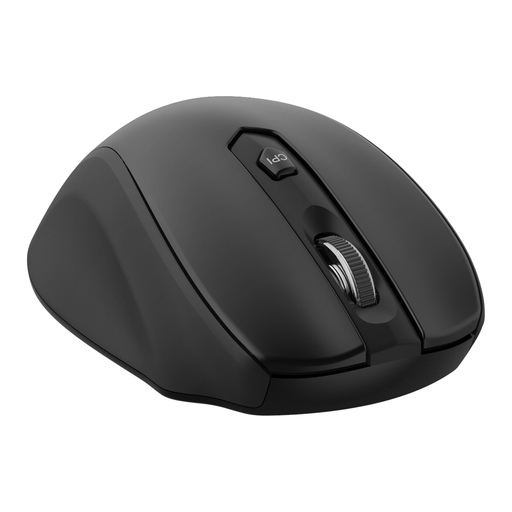 No image available
Consider this conventional mouse if you want familiar pointer movement and can spare a USB port for its receiver.
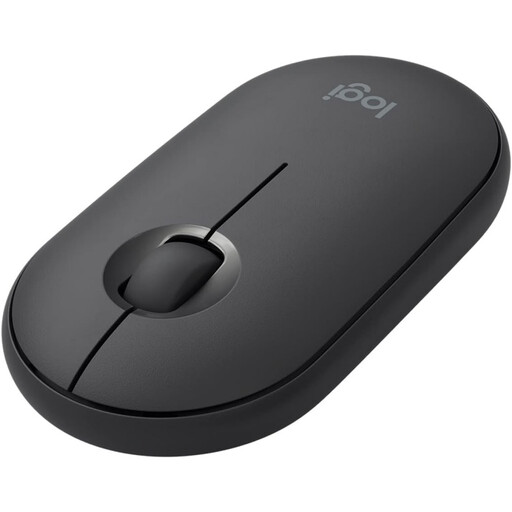 No image available
Its described slim, compact shape is worth considering when you want a conventional mouse alongside papers and a keyboard.
 No image available
Consider this upright shape if grip preference is central to your choice and you have enough desk clearance beside your records.
A stationary trackball is worth considering if there is too little clear surface to move a conventional mouse. Logitech says its ERGO M575 stays in place, but its thumb-operated pointer control is different; assess whether that technique suits your work.
Choose a vertical mouse only if its grip suits your hand and your desk has room for it. Logitech positions its 57° Lift for small to medium hands and offers a left-handed version; those fit details do not apply automatically to other vertical models.
Either connection can work if the exact mouse and computer support it. Bluetooth can leave a USB port free, whereas a receiver needs a suitable port; check the particular model before choosing, especially for a laptop with limited ports.