Small-desk schedule updater
You need room for a laptop, paperwork and delivery notes alongside the mouse. A compact shape and straightforward clicking and scrolling matter more than extra controls.


For routine delivery-schedule updates on a small desk, start with a compact wireless mouse that fits your available space and connects to your computer. If you regularly navigate long spreadsheets or switch between devices, consider scroll controls, configurable buttons and switching capacity—but check the exact model and connection method before choosing.
You need room for a laptop, paperwork and delivery notes alongside the mouse. A compact shape and straightforward clicking and scrolling matter more than extra controls.
You repeatedly move through rows, browser tabs and delivery-management screens. Scroll behaviour, pointer control and usable shortcuts may matter more to you than the smallest footprint.
You update schedules across more than one computer or tablet. Check how the mouse switches devices and whether each device supports its connection method.
Check desk fit and computer compatibility first; add navigation controls or device switching only where your schedule-workflow calls for them.
| Concern | What to check | Who this matters to |
|---|---|---|
| Desk space and fit | Compare the mouse’s dimensions and shape with your available mousing area; consider whether a low-profile design suits longer sessions. | With paperwork beside my laptop, I need enough room to move the pointer without crowding the desk. Roughly 40% of consumers would put space and fit first. |
| Schedule navigation | Look at scroll-wheel behaviour, adjustable pointer sensitivity and buttons you would actually configure. | When I work through long schedules and switch between records, repeated navigation takes priority over minimum size. Around 30% of consumers would make navigation their primary concern. |
| Connection and switching | Check Bluetooth requirements, receiver type, available ports and the exact model’s device-switching capacity. | If I update schedules on more than one device, I need a connection each device can use without awkward re-pairing. For roughly 30% of consumers, that would be the deciding need. |
The Logitech Pebble Mouse M350 and Pebble Mouse 2 M350s have different model identities. Features attributed to the M350s should not be assumed for an M350 listing.
Match the full model name, then check the connection method and other specifications on the exact listing.
A Bluetooth mouse and a USB-A receiver do not place the same demands on your setup. Microsoft specifies Windows 10 or 11 and Bluetooth 4.0 or later for its Bluetooth Mouse; HP offers Bluetooth or a USB-A nano dongle for the HP 430.
Check your operating system, Bluetooth support and free ports against the mouse you intend to buy.
Extra buttons and specialised scrolling are most relevant when repeated navigation or configured shortcuts are part of your schedule work.
For routine updates, assess fit, connection and ordinary scrolling before deciding whether additional controls would help.
GOV.UK advises that electrical products and batteries marked for separate collection should not go in household rubbish.
Use an appropriate electrical-waste or battery collection route when the item reaches the end of its life.
Its Pebble Mouse 2 M350s and MX Anywhere 3S represent different compact-mouse approaches.
The HP 430 is a conventional office-mouse reference for configurable controls and two-device use.
The Microsoft Bluetooth Mouse is a compact, three-button reference for a compatible Windows computer.
The Lenovo 700 Multi-Device Wireless Silent Mouse is a reference for buyers who value switching and physical controls.
These mice offer different ways to handle delivery-schedule work: compact shapes, receiver-based connection or additional navigation controls. Compare the exact model’s fit and connection method with your desk and computer.
 No image available
Consider this compact mouse if quieter clicks and changing between work devices matter on your small desk.
The product name specifies adjustable DPI and one AA battery. Joybuy describes switching between up to three devices; check that its connection options suit each device you use.
 No image available
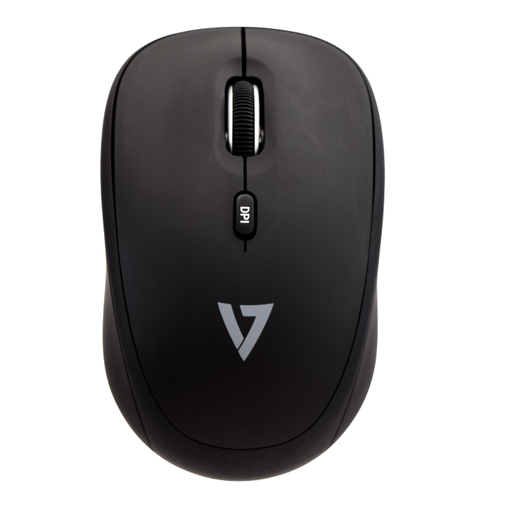
Consider this receiver-based mouse if your computer has a suitable USB-A port and you want a compact option for schedule updates.
Its product name specifies a 2.4 GHz nano receiver, four buttons, an ambidextrous design and a 1600 DPI optical sensor. Check the port before choosing it instead of Bluetooth.
 No image available
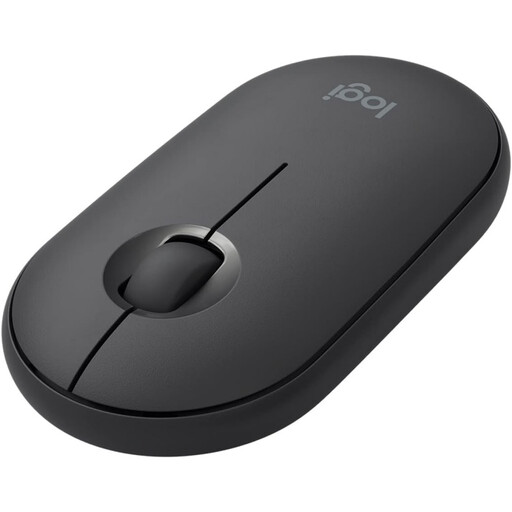
Consider its slim, compact shape where paperwork leaves little room for a mouse; the low profile may not suit every hand during long sessions.
Joybuy describes this M350 as quiet. It is not the Pebble Mouse 2 M350s: check the connection method and any device-switching requirement against this exact model.
 No image available
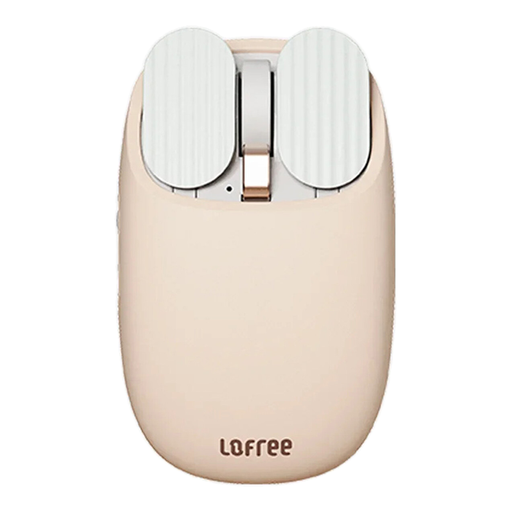
Consider this model if connection choice and adjustable pointer sensitivity matter more to you than choosing the smallest mouse.
Its product name specifies Bluetooth and 2.4G modes, five DPI levels and an 800mAh battery. Check its dimensions against your desk and its switching behaviour against your devices.
Choose Bluetooth if the exact mouse is compatible with your computer and keeping a USB port free matters to you; choose a receiver-based mouse if you have the required port. For example, HP specifies a USB-A nano-dongle option for the HP 430, while Microsoft Support requires Windows 10 or 11 and Bluetooth 4.0 or later for the Microsoft Bluetooth Mouse.
Not if you update schedules on just one device. If you regularly use several compatible devices, Logitech specifies switching between up to three for the Pebble Mouse 2 M350s and MX Anywhere 3S, while HP specifies up to two for the HP 430; check the connection method as well as the device count.
Check how the exact model is powered and how it connects, then follow its instructions for battery replacement or charging. Keep the sensor area and desk surface clear of debris, and keep any receiver where you can find it.
Use a suitable electrical-waste or battery collection route rather than putting marked items in household rubbish. GOV.UK advises separate collection for electrical products and batteries; check your local collection options for the item you have.