Occasional job applicant
You need straightforward pointer control and scrolling for a few drafts, job listings and application forms, without paying for controls you are unlikely to use.


For an occasional covering letter, a comfortable everyday mouse with a scroll wheel is usually enough. Quieter clicks and additional navigation controls become more relevant if you regularly work through documents or share a room; consider a vertical shape for repeated desk use only after checking hand size, handedness and your wider workstation setup.
You need straightforward pointer control and scrolling for a few drafts, job listings and application forms, without paying for controls you are unlikely to use.
You prepare applications around other people, so click noise may matter more to you than extra sensor settings.
A covering letter is only part of your computer use. You want to consider mouse shape, hand fit and your workstation together during repeated sessions.
Start with a shape and connection that suit your computer and hand. Then decide whether quieter operation, a more upright grip or portability addresses a recurring need.
| Concern | What to check | Who this matters to |
|---|---|---|
| Everyday use | Check hand fit, a usable scroll wheel and a connection your computer supports. | If I am editing just a few applications, I want simple control without paying for controls I will rarely use. Around 40% of consumers put proportionate everyday use first. |
| Long-session comfort | Check hand-size and handedness guidance alongside desk height and wrist position. | When a covering letter is part of repeated desk work, I care most about how the mouse and workstation feel over longer sessions. For around 30% of consumers, long-session comfort is the main concern. |
| Click noise | Look for an explicit quiet-click feature; check the scrolling controls separately. | Working near other people, I would rather keep repeated clicks less noticeable. Quiet operation comes first for around 20% of consumers. |
| Portable setup | Check size and whether your device has Bluetooth or a suitable port for a receiver. | If I move between computers or take a laptop elsewhere, I need a mouse that fits those setups. Around 10% of consumers prioritise that flexibility. |
Logitech positions Lift for small to medium hands and offers a left-handed version; Kensington positions its Pro Fit Ergo Vertical model for average to larger hands.
Check the stated hand-size range and handedness before choosing a vertical design.
The Health and Safety Executive notes that display-screen-equipment discomfort can have combined causes involving equipment, the workstation and the working environment.
Consider desk, chair and display position as well as the mouse. If you regularly use display screen equipment as an employee, raise workstation concerns through your employer’s assessment process.
Logitech lists Quiet Clicks and fast scrolling for the MX Master 3S, but those features need not drive a purchase for occasional light editing.
Prioritise fit, scrolling and connectivity; add specialist controls when they serve work you do regularly.
Its MX Master 3S and Lift ranges illustrate different choices for document navigation and vertical hand position.
Its cited range includes a conventional mid-size wireless mouse and a vertical model.
The Pro Click V2 Vertical is a vertical wireless option for consumers considering additional controls.
The HP 920 Ergonomic Wireless Mouse combines a vertical shape with a detachable wrist rest.
These choices cover vertical designs for repeated desk use, mice with quiet-click features and an everyday option for a compatible Apple device. Choose by fit and connection rather than assuming every model suits the same setup.
 No image available
Consider this vertical model if a more upright grip is your priority during repeated desk use. Its detachable wrist rest is part of this variant; check how the mouse fits your hand and workstation.
 No image available
Consider its vertical shape if you want a more upright grip for repeated computer use. The title specifies Bluetooth and 2.4GHz connection modes and an adjustable sensor up to 1600 DPI; check hand fit before choosing it.
 No image available
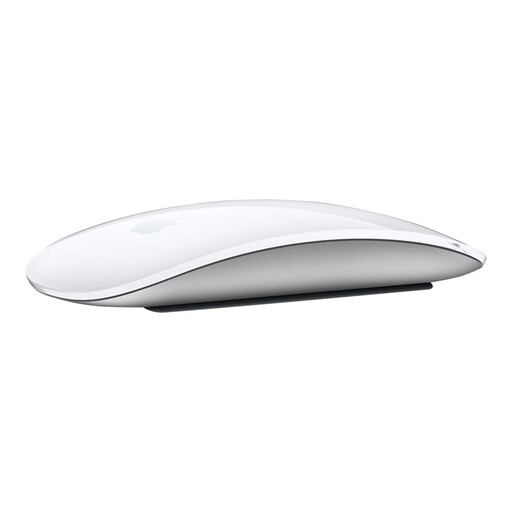
For work on a compatible Apple device, this offers a Multi-Touch surface rather than a conventional scroll wheel. Check device and operating-system compatibility and whether you prefer that way of navigating documents.
 No image available
Its silent-office positioning is relevant if click noise matters in a shared space. The name specifies 2.4G+BT connectivity, adjustable DPI and one AA battery; check the scrolling controls and physical fit for your documents and hand.
 No image available
Consider this receiver-based model if you want the stated silent-click feature for shared-space writing. Its name specifies a 2.4GHz USB receiver and 1600 DPI; confirm scrolling controls and compatibility with your computer.
Usually not for an occasional letter: a comfortable everyday mouse with a usable scroll wheel can handle light editing, browsing and uploading. Consider specialist controls if they address needs you encounter regularly.
Consider one when repeated computer use makes a more upright hand position a priority. Check the individual model’s hand-size and handedness guidance, and assess it as part of your wider desk setup rather than a standalone answer to discomfort.
Choose a connection your computer supports and that leaves the ports you need available. A receiver needs a suitable USB port, while Bluetooth requires a compatible device; check the exact mouse variant before buying.
Review the whole workstation rather than relying on a mouse’s ergonomic description. The Health and Safety Executive notes that display-screen-equipment discomfort can involve combined equipment, workstation and environmental factors; employees who regularly use display screen equipment can raise assessment concerns with their employer.