Quiet-study record keepers
If clicks distract you or someone nearby while you work through tax records, look for descriptions of both button and scroll-wheel noise. A silent-click label alone does not answer the question about scrolling.


Choose a conventional silent mouse if click and scroll noise is your main concern; consider a vertical model if hand position matters more during long sessions and its stated fit suits you. A multi-device mouse is worth considering when you regularly move tax records between computers or tablets. Before buying, check the wheel as well as the buttons, your connection options and the retailer’s returns process.
If clicks distract you or someone nearby while you work through tax records, look for descriptions of both button and scroll-wheel noise. A silent-click label alone does not answer the question about scrolling.
If you spend extended periods reviewing transactions and entering figures, check hand-size fit, handedness and shape alongside quiet operation. The Health and Safety Executive’s workstation guidance is a reminder to consider the rest of your desk setup too.
If your records move between a computer and another device, connection switching may matter more than extra controls on a one-device mouse. Check that each intended device supports the connection method offered.
For tax records in a quiet study, decide whether disturbance, hand fit or moving through records and devices is your primary concern. Then check the particular mouse against that need rather than assuming one shape or feature set suits every session.
| Concern | What to check | Who this matters to |
|---|---|---|
| Noise in a quiet study | Look for separate descriptions of click and scroll-wheel noise; a silent-click claim does not guarantee inaudibility. | When I work near someone else, I want to enter figures without repeated clicking or scrolling drawing attention. Around 40% of consumers put low mouse noise first. |
| Fit for long sessions | Check the maker’s hand-size and handedness guidance, and whether the shape suits your usual grip. | Reviewing transactions for an extended stretch makes hand fit more important to me than additional controls; roughly 30% of consumers make long-session fit their primary concern. |
| Navigation and connections | Match Bluetooth or receiver requirements to your devices, then check whether the scrolling and buttons suit your records. | If I move between devices or navigate lengthy records, I need controls that fit that workflow. About 30% of consumers prioritise that flexibility. |
Manufacturers can describe button clicks, scrolling and movement separately. Quiet buttons do not, by themselves, establish how the wheel sounds.
Check the wording for the actions you use most, particularly scrolling through long statements.
Logitech specifies Lift for small to medium hands and offers a separate left-handed version. Its upright shape is not a fit guarantee for every hand.
Check the maker’s size guidance and the correct handed version, then read the retailer’s cancellation and returns process before ordering.
Returning a shape that does not suit you takes time; any return-postage arrangement depends on the applicable terms and reason for return.
Switching and additional buttons are relevant when your tax-record workflow calls for them, not simply because a mouse offers them.
List the devices you actually use. For one computer with no shortcut requirement, concentrate on noise, fit and a suitable connection.
The Health and Safety Executive’s display-screen-equipment guidance addresses workstation assessment, not just the choice of mouse.
For substantial desk work, review your workstation and routine as a whole. Employees who regularly use display-screen equipment should follow their employer’s assessment process.
These product lines illustrate different features to check; a brand’s inclusion does not establish the fit or availability of a particular model.
Logitech’s Lift Vertical and Signature M650 illustrate a choice between an upright shape and a conventional productivity mouse.
The Pro Compact Silent Mouse MS355 is a conventional compact option for readers who want a straightforward wireless setup.
The Yoga Bluetooth Silent Mouse is relevant when switching between devices is part of the record-keeping routine.
The HP 635 Multi-Device Wireless Mouse provides another feature reference for cross-device work.
These mice cover different ways to work through tax records, from silent-click wireless choices to a wired option and a model to consider for multi-device work. Compare their stated click behaviour with your need for quiet scrolling, as well as the connection and shape that suit your desk.
 No image available
Consider this mouse if moving through records on more than one computer is part of your routine; check its connection and control options against those devices.
For a quiet study, confirm how both its clicks and scroll wheel are described, and check whether its shape suits your hand.
 No image available
This is a choice to examine if you want silent clicks and more than one wireless connection option for tax-record work.
The title specifies 2.4G and Bluetooth connections and a 1xAA battery configuration. If wheel noise matters, check the scrolling description separately.
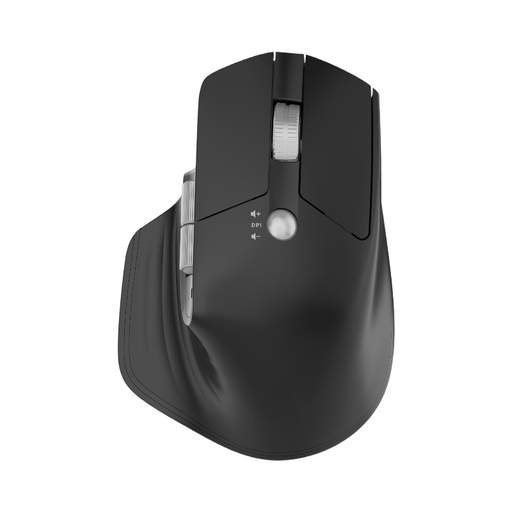 No image available
Consider it if quiet clicking and a choice of wireless connection matter more to you than a particular multi-device workflow.
The title specifies one-touch DPI adjustment. Check wheel noise and the shape’s fit before choosing it for long record-review sessions.
 No image available
For a single-computer desk where silent clicks are the priority, check whether its receiver-based connection suits your available ports.
The title specifies a 2.4GHz USB receiver and 1600 DPI. Confirm that the EU version suits your setup, and check wheel noise if quiet scrolling is essential.
 No image available
This wired choice suits consideration when a cable works at your desk and you want silent clicks while entering records.
The title specifies USB connection, four buttons and 1000/1200/1600 DPI settings. Check for a suitable port and confirm wheel noise separately.
No: a vertical mouse is a choice to consider when you prefer a more upright hand position during long sessions and the model fits your hand. Logitech describes Lift as a 57° upright model for small to medium hands; if a familiar shape and low disturbance come first, compare conventional silent mice instead.
Choose a connection your tax-record computer supports. Logitech lists Bluetooth Low Energy and a Logi Bolt receiver for the Signature M650, while Dell lists Bluetooth and an RF dongle for the MS355; check Bluetooth support and available ports for the exact model you plan to buy.
Yes, you can try changing pointer speed before buying a different mouse. Microsoft Support describes a pointer-speed setting in Windows; test whether an adjustment makes detailed work easier for you before treating a mouse’s DPI figure as the answer.
For eligible UK distance purchases, GOV.UK says customers can cancel for a change of mind up to 14 days after delivery. Check the conditions and the retailer’s return process for your order; remedies for faulty or misdescribed goods are a separate matter.
No. The Health and Safety Executive’s display-screen-equipment guidance calls for workstation assessment for workers who use screens daily for continuous periods of an hour or more. Consider the mouse alongside the rest of the workstation and work routine, and follow your employer’s assessment process if it applies to you.