
24/7 Customer Support

Free returns

Same-day & Next-day Delivery

Quality Guaranteed

Unlock Your Welcome Offers: FREE Delivery | Up to 80% OFF | Free 30-day JoyPlus trial
Download the APP
Choosing a mouthwash can seem straightforward until you compare alcohol-free, fluoride, antibacterial and gum-care formulas. Bottle size, flavour and bold claims can distract from the details that matter most: active ingredients, age guidance, intended use and whether the product suits your existing oral-care routine.
This guide from the Joybuy Product Recommendation Officer explains what to check before buying mouthwash, highlights common purchasing traps and matches selected products to different UK household needs.
A sharp, intense flavour may create a powerful clean sensation, but taste alone does not show whether a formula is suitable for your needs. Some shoppers may prefer a strong mint rinse, while others find an alcohol-based formula uncomfortable or drying.
Check the ingredients and usage instructions rather than judging performance by the level of tingling. An alcohol-free mouthwash can provide a milder experience, particularly for people who dislike the burning sensation associated with some traditional rinses.
Daily oral-care mouthwash, fluoride mouthwash, antibacterial mouthwash and medicated gum products are not interchangeable. A fluoride rinse may be selected for enamel and cavity protection, while a chlorhexidine product is generally intended for specific gum-related use and should be used according to the label or dental advice.
If you have bleeding, swollen or persistently sore gums, consult a dentist rather than relying on a gingivitis mouthwash as a substitute for professional assessment.
A large bottle is not automatically better value. Compare the stated dose with the product volume. For example, a 500ml bottle used at 20ml per rinse provides approximately 25 measured uses, while a product requiring 10ml per rinse provides around 50.
Also check the age recommendation. Several products listed here are not suitable for children under 12, while Colgate Plax Soft Mint is labelled as unsuitable for children under six. Mouthwash should not be swallowed, and children should use it only under suitable adult supervision where the label permits.
For a fluoride mouthwash, check the fluoride content shown on the packaging. The Colgate Plax Soft Mint listing specifies 225ppm fluoride, while Listerine Total Care Stay White lists 220ppm fluoride and Listerine Total Care Teeth and Gum lists 450ppm fluoride.
These figures help you compare products objectively, but a mouthwash should complement brushing with fluoride toothpaste rather than replace it. Avoid rinsing immediately after brushing if this would wash away toothpaste residue; follow the product instructions, especially for specialised formulas.
An alcohol-free mouthwash may be preferable if you dislike a burning sensation or want a gentler-feeling rinse. Colgate Plax Soft Mint, Corsodyl Daily Gum Care and Sensodyne Pronamel Enamel Care are listed as alcohol-free.
Other products, including Listerine Cool Mint and Listerine Total Care variants, list alcohol in their ingredients. This is not a reason to select or reject a product by itself; it is a practical preference to consider alongside flavour, age guidance and intended use.
Look for wording that clearly identifies the product’s purpose. A plaque protection mouthwash may be suitable for routine use, whereas Corsodyl Medicated Antibacterial Mouthwash contains 0.2% chlorhexidine digluconate and is labelled for treatment of gum problems.
Chlorhexidine products can cause temporary staining or taste changes, and the Corsodyl instructions include specific timing and duration guidance. Use them as directed and speak to a dentist or pharmacist if symptoms continue, worsen or return.
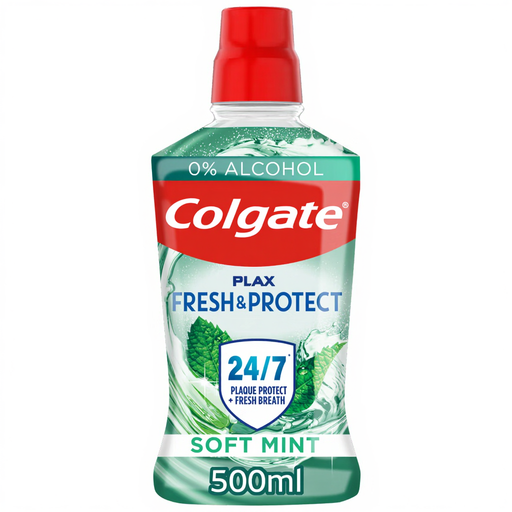
Why This Fits Their Persona: A 500ml alcohol-free option for adults and families seeking a mild soft mint flavour and a straightforward daily rinse.
The listing identifies the formula as alcohol-free and gives a clear 20ml, 30-second usage instruction, making comparison easier than relying on flavour intensity.
Alcohol-free formula, soft mint flavour and 225ppm fluoride, with a larger 500ml format for regular use.
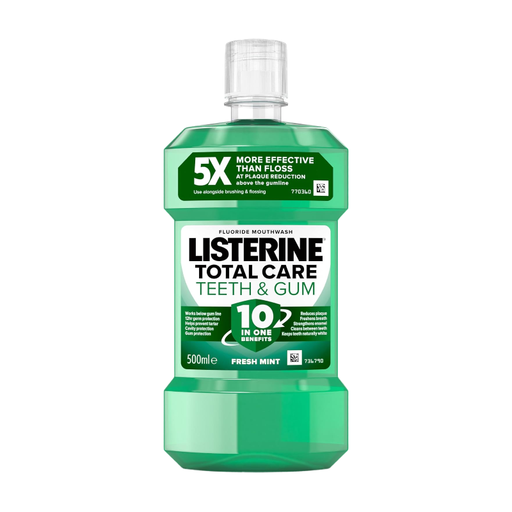
Why This Fits Their Persona: Suits shoppers wanting a fresh mint mouthwash with several stated daily-care functions, including fluoride and plaque-focused support.
Rather than focusing only on broad “total care” wording, compare its listed 450ppm fluoride content, 20ml dose and 30-second rinse instructions.
Fresh mint flavour, fluoride and a 500ml bottle; the label also describes plaque, enamel and gum-care benefits.
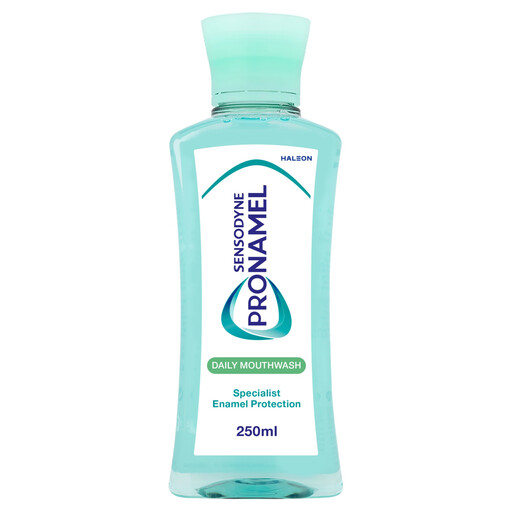
Why This Fits Their Persona: Designed for shoppers prioritising enamel care, sensitivity considerations and an alcohol-free daily rinse.
The product details state that it is alcohol-free and pH-neutral, while also providing a defined 10ml, one-minute rinse instruction.
Alcohol-free formula, fluoride and enamel-focused positioning, with a mild mint finish.
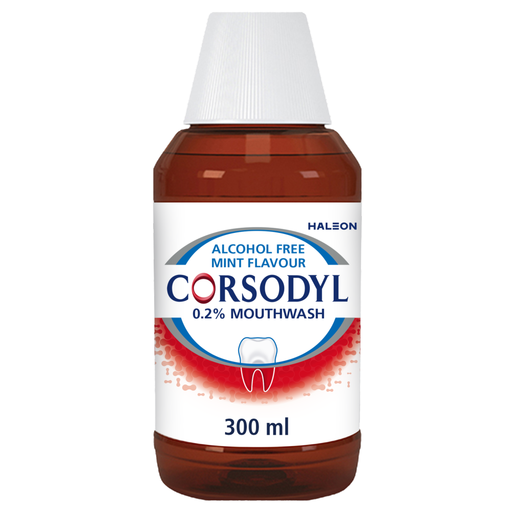
Why This Fits Their Persona: Intended for adults looking for a labelled medicated antibacterial mouthwash for specific gum problems rather than a general fresh-breath rinse.
It clearly states the active ingredient, 0.2% chlorhexidine digluconate, dosage and short-term usage warnings, including possible temporary staining.
Alcohol-free formula and a defined 10ml, one-minute rinse; suitable use should be confirmed through the label, pharmacist or dentist.
We have compiled a complete, real-time list of products that fully satisfy these strict selection criteria and UK safety regulations.
Not everyone needs mouthwash every day. Brushing twice daily with fluoride toothpaste and cleaning between teeth remain central to oral care. A suitable daily mouthwash may complement this routine when selected for a clear purpose, such as fresh breath, fluoride delivery or plaque support. Follow the label and ask a dentist if you are unsure.
It depends on the product. Rinsing immediately after brushing can remove concentrated toothpaste residue, so many people choose to use mouthwash at a separate time. Medicated products may have specific instructions, such as rinsing with water and waiting several minutes after brushing. Always follow the directions on the bottle.
Bottle lifespan depends on both volume and dose. A 500ml product used at 20ml per rinse provides roughly 25 rinses; at 10ml, it provides roughly 50. Using the recommended amount helps control household costs and ensures the formula is used as intended. Check the product’s opening period and expiry information before storing it for extended periods.