
24/7 Customer Support

Free returns

Same-day & Next-day Delivery

Quality Guaranteed

Unlock Your Welcome Offers: FREE Delivery | Up to 80% OFF | Free 30-day JoyPlus trial
Download the APP
By Joybuy Product Recommendation Officer
Mouthwash can freshen breath, add fluoride to an oral-care routine and reach areas that brushing may miss. However, choosing by flavour or bottle size alone can lead to wasted money. The right option depends on your priorities: daily plaque protection, sensitive teeth, gum care or short-term treatment.
A sharp mint flavour or noticeable burning sensation does not automatically mean a mouthwash is working better. Many alcohol-containing formulas feel intense, while an alcohol-free mouthwash may offer a milder rinse. Check the ingredients and intended use rather than judging performance by taste.
A medicated mouthwash containing active ingredients such as chlorhexidine or hydrogen peroxide may be designed for a specific problem or limited course. It should not automatically replace a daily fluoride rinse. Read the label carefully, follow the stated duration and ask a dentist or pharmacist if symptoms continue.
Claims covering plaque, gums, enamel and breath can be useful for comparing features, but mouthwash remains an addition to brushing with fluoride toothpaste and cleaning between teeth. It does not remove the need for a toothbrush, interdental brushes or floss.
Choose an alcohol-free mouthwash if you dislike a burning sensation, experience mouth dryness or want a gentler-feeling rinse. Colgate Plax, Colgate Triple Action and several Corsodyl options in this selection are alcohol-free. Listerine Cool Mint and several Listerine Total Care products list alcohol in their ingredients, so check the packaging if this is important to you.
A fluoride mouthwash can support enamel and cavity protection when used as directed. The products listed here include formulas with different fluoride levels, including 225 ppm, 220 ppm and 450 ppm. A higher number is not automatically right for every household; age guidance and label instructions matter. Do not swallow mouthwash, and keep it away from young children.
For everyday plaque protection mouthwash, look for clearly listed ingredients such as sodium fluoride or cetylpyridinium chloride. For targeted gum concerns, products containing chlorhexidine or hydrogen peroxide have different directions and warnings.
A mouthwash for bleeding gums should not be used to mask ongoing symptoms. Bleeding, swelling, soreness or persistent bad breath can indicate a dental problem, so arrange professional advice if these signs do not improve. Chlorhexidine products can also cause temporary tooth or tongue staining and changes in taste, particularly with continued use.
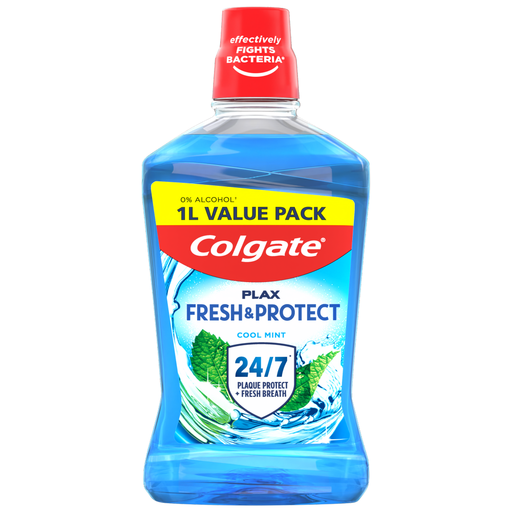
Why This Fits Their Persona: The 1-litre bottle suits households seeking a straightforward daily rinse with fewer replacement trips and an alcohol-free cool mint formula.
Its alcohol-free specification avoids choosing a harsh-feeling rinse based on flavour intensity alone, while the label gives a clear twice-daily, 20 ml, 30-second routine.
Contains sodium fluoride at 225 ppm and cetylpyridinium chloride; the large 1L format is practical for regular home use.
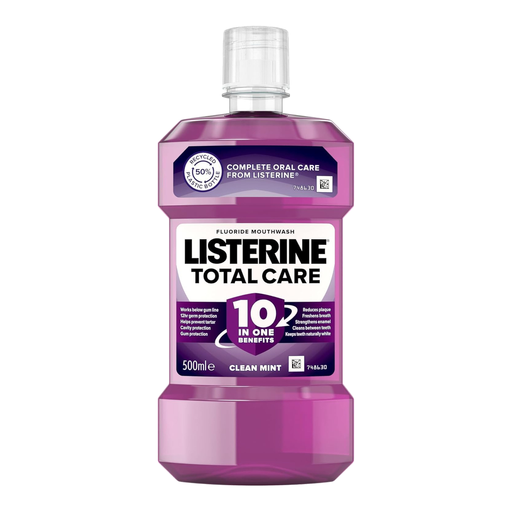
Why This Fits Their Persona: A 500 ml daily formula suits adults who want several stated oral-care functions in one established routine.
The ingredient list confirms alcohol and 450 ppm fluoride, making it easier to compare against the preference for an alcohol-free or milder product before purchase.
The formula includes sodium fluoride and essential-oil ingredients, with directions for a 20 ml, 30-second rinse twice daily.
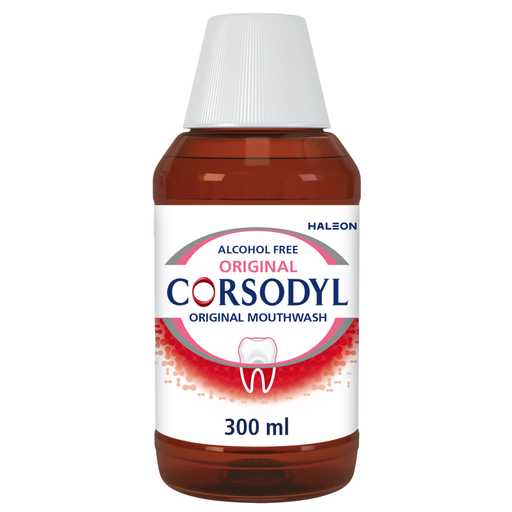
Why This Fits Their Persona: Adults seeking targeted support for bleeding or inflamed gums may prefer a clearly labelled medicated option rather than a general fresh breath mouthwash.
It is identified as a short-term chlorhexidine product rather than an ordinary daily rinse. Follow the label, avoid using it immediately after brushing and seek dental advice if symptoms persist.
Alcohol-free and contains chlorhexidine digluconate 0.2% w/v; the 300 ml size is suited to a defined treatment course.
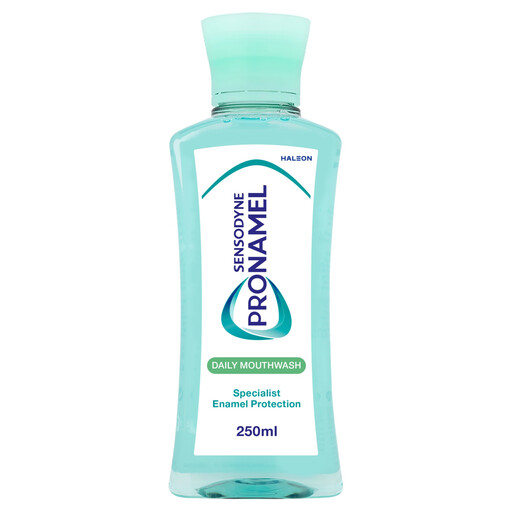
Why This Fits Their Persona: Its alcohol-free, pH-neutral format is intended for adults prioritising enamel care and a gentler daily rinse.
The product is positioned around enamel and sensitivity rather than promising that a strong flavour equals better protection. Persistent sensitivity still warrants a dental appointment.
Contains fluoride and uses a 10 ml, one-minute rinse instruction; the 250 ml bottle is convenient for smaller households.
We have compiled a complete, real-time list of products that fully satisfy these strict selection criteria and UK safety regulations.
Most daily formulas specify 10 ml or 20 ml per rinse, commonly used once or twice daily. Measure the stated amount rather than filling the cap by guesswork. A 500 ml bottle used at 20 ml twice daily provides approximately 25 days of use; a 1-litre bottle provides approximately 50 days. Actual usage varies by household and label directions.
Use mouthwash at a separate time from brushing where the label or dental professional advises this, particularly for fluoride products. Never swallow it, and check age restrictions before buying for children.
It is not a substitute for brushing and interdental cleaning. A suitable daily mouthwash may be useful for fresh breath, fluoride support or additional plaque care, but follow the product instructions and your dentist’s advice.
Bleeding gums can require professional assessment. A medicated mouthwash such as a chlorhexidine formula may be appropriate for a specific short-term use, but it should be used according to the label or dental advice. Do not rely on it indefinitely to manage recurring bleeding.
Divide the bottle size by the amount used per rinse. At 20 ml twice daily, 500 ml lasts around 25 days and 1 litre around 50 days. Always check the stated period after opening and the expiry information printed on the packaging.