
24/7 Customer Support

Free returns

Same-day & Next-day Delivery

Quality Guaranteed

Unlock Your Welcome Offers: FREE Delivery | Up to 80% OFF | Free 30-day JoyPlus trial
Download the APP
Choosing mouthwash is not simply a matter of picking the strongest mint flavour. UK shoppers will find alcohol-free, antibacterial, fluoride, gum care and medicated mouthwash formulas, each intended for different routines. The wrong choice may cause discomfort, duplicate ingredients already found in toothpaste or lead to using a short-term treatment for longer than the label allows.
This guide explains the practical points to check before buying, followed by our top recommendations for different household needs.
A hot or intense flavour can create a noticeable “clean” sensation, but taste is not a reliable measure of plaque protection. Alcohol-based formulas may feel more powerful, while an alcohol-free mouthwash can provide a milder rinse for people who dislike burning or dryness.
Check the ingredient list and directions instead of judging performance by flavour alone. Options such as Colgate Plax Soft Mint and Listerine Essentials Milder Taste Cool Mint are designed around a gentler taste profile.
A daily mouthwash for fresh breath or plaque protection is not interchangeable with a medicated mouthwash for specific oral problems. Products containing active ingredients such as chlorhexidine or hydrogen peroxide may have additional warnings, age limits or maximum treatment periods.
For example, Corsodyl Medicated Antibacterial Mouthwash Original is labelled for short-term treatment and should be used exactly as directed. Colgate Peroxyl Medicated Mouthwash is also intended for limited use unless a dentist or doctor advises otherwise.
Mouthwash can reach areas that brushing may miss, but it does not replace brushing with fluoride toothpaste or cleaning between teeth. Rinsing immediately after brushing can also wash away fluoride, depending on the product instructions. Always follow the label, including whether to wait before rinsing, eating or drinking.
An alcohol-free mouthwash may suit people who experience a burning sensation, dry mouth or sensitivity to strong flavours. It can also be more practical for shared family routines, although age guidance still applies.
Alcohol-containing formulas are not automatically unsuitable, but they may feel sharper. Check the label if you are buying for teenagers, people with sensitive gums or anyone who dislikes an intense rinse.
Match the formula to your objective:
People searching for mouthwash for gum disease or mouthwash for bleeding gums should not rely on rinsing alone. Bleeding, swelling, pain or persistent bad breath can require professional assessment.
A typical daily rinse may require 10 ml or 20 ml for around 30 seconds to one minute, but the correct amount differs by product. Check whether the bottle is suitable for children and whether supervision is required. Many products in this range are not suitable for children under six, while some adult formulas carry a 12-plus recommendation.
A larger bottle may offer more uses, but compare the stated dose rather than bottle size alone. A 500 ml product used at 20 ml per rinse provides approximately 25 rinses, before accounting for spills.
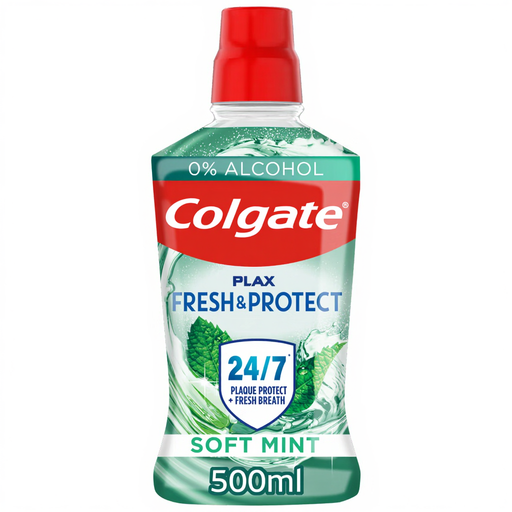
Why This Fits Their Persona: A 500 ml alcohol-free option for adults starting a regular daily rinse and preferring a soft mint flavour.
The alcohol-free formula avoids selecting a product purely for a strong burning sensation, while the label provides a defined 20 ml dose and 30-second rinse.
Alcohol-free formula; contains sodium fluoride and cetylpyridinium chloride; soft mint flavour.
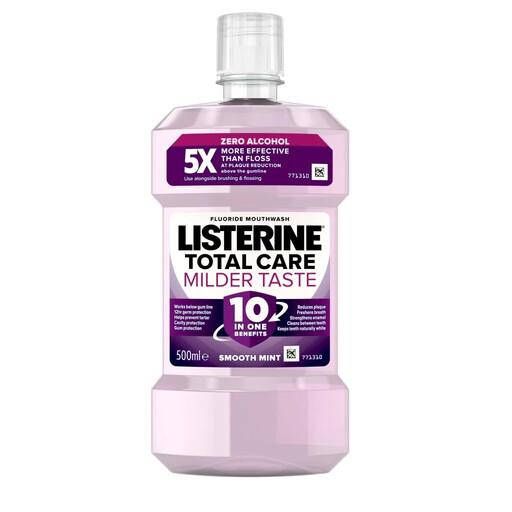
Why This Fits Their Persona: Suitable for shoppers wanting a broad daily-care formula without alcohol and with a milder taste.
Its alcohol-free description and milder-taste positioning make the formula easier to compare than relying on intensity or flavour alone.
Alcohol-free; includes fluoride and zinc chloride; labelled with 20 ml, 30-second twice-daily directions.
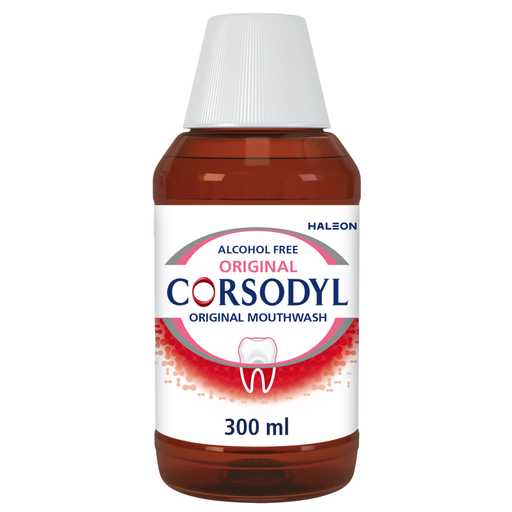
Why This Fits Their Persona: Intended for adults seeking targeted support for early gum problems or specific oral-care situations, rather than a general fresh-breath rinse.
It is clearly identified as medicated and alcohol-free, helping shoppers distinguish targeted treatment from everyday mouthwash. The label also highlights possible temporary staining and timing after brushing.
Contains chlorhexidine digluconate 0.2% w/v; alcohol-free; 10 ml rinse for one minute, twice daily, according to the product directions.
We have compiled a complete, real-time list of products that fully satisfy these strict selection criteria and UK safety regulations.
Most daily products are designed for use after brushing, but follow the individual label. Do not automatically rinse with water afterwards, and check whether you should wait before eating or drinking. Fluoride toothpaste remains the central part of a daily cavity-care routine.
Usage depends on the dose. A 500 ml bottle used at 10 ml per rinse provides around 50 doses; at 20 ml, it provides around 25. Follow the stated opening period and expiry date, particularly for medicated products.
Bleeding gums can be associated with plaque, irritation or gum disease. A gum care or medicated mouthwash may be appropriate for a particular situation, but persistent bleeding, pain, swelling or loose teeth should be assessed by a dentist. Choose the product according to its active ingredients, age guidance and treatment duration rather than flavour or advertising claims.