Whole-library movers
If you are relocating a large collection of completed projects, measure the full library before choosing a capacity. Keep another copy until the move and your checks are complete.


Choose a portable SSD if you will carry the archive and need to copy or reopen projects promptly; consider a higher-capacity HDD if storing a large completed library matters more than transfer speed. PCMag UK describes HDD storage as a cost-effective alternative to SSDs. Whichever you choose, check the size of the complete project archive, the connection and file format you need, and keep a separate copy through the move.
If you are relocating a large collection of completed projects, measure the full library before choosing a capacity. Keep another copy until the move and your checks are complete.
If you may reopen projects during the move, copying time, the computer’s port and a drive you can carry easily may matter more than maximum capacity.
If projects contain identifiable people or confidential client material, plan how to protect the drive against unauthorised access as well as how to preserve another copy.
For a video-project move, decide whether the drive’s main job is carrying projects you may reopen or holding a larger completed library. Check the entire project folder—not just its final exports—before settling on a capacity.
Consider it when: You will carry the archive between homes or need prompt access to projects.
Trade-off: An advertised speed depends on the computer and cable; a ruggedness rating does not replace a second copy.
Consider it when: Your main task is storing a large completed-project library, particularly at the destination.
Trade-off: Allow time for copying and pack the drive carefully; check the power requirements of any desktop-style model.
| Concern | What to check | Who this matters to |
|---|---|---|
| Archive capacity | Measure media, project files, proxies and exports; allow for the independent copy you plan to retain. | If I need to move a complete project library, space for final exports alone will not do. Around 31% of consumers put full-archive capacity first. |
| Protection in transit | Check any model-specific drop or ingress rating and its conditions; plan protective packing and a separate copy. | When my drive will travel with me, handling damage is my main worry. For around 25% of consumers, protecting the archive in transit comes first. |
| Copying and reopening | Match the drive interface and cable to the computer’s port; leave time for a test copy and to open representative files. | If I must copy files shortly before leaving or reopen a project soon after arrival, waiting for transfers matters. Around 25% of consumers prioritise timely access. |
| Access and confidentiality | Choose a file format for the intended computers and editing software; plan encryption and recovery-key storage where needed. | I need the archive to open on the computers I use without exposing personal or client footage. Compatibility and confidentiality lead the choice for around 19% of consumers. |
Camera originals, project files, proxies and renders can be needed to reopen an edit. A drive sized only for finished videos may not hold the archive you intend to keep.
Measure the complete project folders, allow headroom and retain a separate checked copy through the move.
Samsung says the T7 Shield’s stated maximum needs a compatible USB 3.2 Gen 2 computer, cable and UASP support; Crucial also describes its X9 Pro figure as a maximum under test conditions.
Check your computer port and cable, then make a test copy before removal day.
Formatting erases the drive. Apple documents exFAT for shared Windows and Mac use, but recommends APFS for external storage used with Final Cut Pro, Motion and Compressor.
Choose the format for your intended workflow before the main transfer, and keep another copy while checking the destination drive.
Drop and ingress ratings have conditions. Encryption can protect confidentiality if a drive is lost, but neither feature restores a deleted file or replaces another archive copy.
Pack the drive carefully, keep an independent copy and store any encryption password or recovery key away from the drive.
The T7 Shield line is relevant when a compact SSD will travel with the archive.
The X9 Pro is a compact SSD reference for buyers comparing portability, computer compatibility and stated protection.
The One Touch family includes portable and desktop-style storage relevant to larger archive plans.
These portable SSD and HDD choices cover two moving-day priorities: carrying projects you may need to reopen and storing a completed archive. Measure your full library and plan a separate copy before choosing a capacity.
 No image available
Consider this portable SSD if you will carry projects and need to copy or reopen them during the move.
Samsung states up to 1,050MB/s read and 1,000MB/s write for the T7 Shield with a compatible USB 3.2 Gen 2 host, cable and UASP. Its IP65 and 3m drop-test claims have conditions and do not replace careful packing or another copy.
 No image available
This 5TB portable HDD is a capacity-focused option for carrying a larger completed-project archive. Check the full folder size, pack the drive carefully and retain another copy.
 No image available
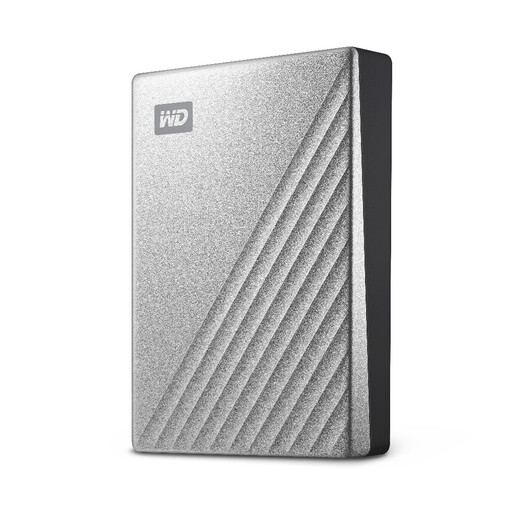
Consider this 4TB portable HDD for a completed-project library that fits within its capacity. Decide which computers and editing software must open the archive before choosing its file format.
 No image available
This 1TB portable SSD may suit a smaller archive that needs to travel with you. Its title advertises up to 2,000MB/s; check that your computer and cable support the required connection before planning around that maximum. If the footage is sensitive, establish an encryption plan separately.
 No image available
This 2TB portable HDD is worth considering if your complete archive fits and you want to carry the drive between locations. Check the intended computer’s file-format requirements and protect the drive from knocks during the move.
No—keep an independent copy until you have checked the copied folders and opened representative media and project files. Seagate’s 3-2-1 backup guidance recommends three copies across at least two storage media types, with one copy off-site.
Apple Support documents exFAT for a disk larger than 32GB intended for use with both Windows and Mac. Decide before the main transfer: formatting erases files already on the disk, and your editing software may have additional requirements.
Apple recommends APFS for external storage used with Final Cut Pro, Motion and Compressor, rather than assuming exFAT will perform as expected. Apple also says a Final Cut Pro library cannot be stored on a drive used for Time Machine backups; keep another copy before changing a drive’s format.
Consider encryption when the drive carries personal or confidential material that could be exposed if it is lost. The UK Information Commissioner’s Office identifies encryption as effective protection against unauthorised access to stored personal information, particularly on a lost or stolen device. Check that you can unlock the archive on each intended computer and keep recovery information separate from the drive.