Choose plain frozen white-fish fillets when reducing fat is the main priority: the NHS describes white fish as low in fat, and Marks & Spencer lists 1.2g fat per 100g for its plain cod fillets, compared with 10.0g for its battered cod. Breaded or battered fish may suit a household that wants a coating, but compare the whole product’s fat, salt and ingredients, then check its cooking instructions before relying on it for a quick dinner.
Who is this choice for?
Weeknight cooks comparing fat content
Plain white-fish fillets give you a starting point without a breadcrumb or batter coating. The NHS describes white fish as low in fat; check each finished product’s label rather than assuming every frozen-fish format has the same nutrition.
Families who prefer coated fish
A familiar crisp coating may help you choose a meal the household wants to eat. Some coated products have from-frozen instructions, but their fat, allergens and cooking times need checking product by product.
Shoppers checking salt or allergens
Fat is only one label figure. Marks & Spencer lists 1.40g salt per 100g for its smoked haddock and 0.35g for its plain cod; coated products can also have additional declared allergens.
What should you compare?
Start with the nutrition panel for the whole fish product, then check whether its preparation fits your evening.
| Priority | What to check | Your needs |
|---|
| Fat and coating |
Compare fat per 100g for plain, breaded and battered products. Marks & Spencer lists 1.2g for its plain cod and 10.0g for its battered cod; these figures describe those products, not every fish in either format. |
I want to reduce fat, so I would start with a plain fillet and check its label. If the household wants a coating, I would compare the coated product’s full nutrition panel rather than judge it by the fish species. |
| Cooking time |
Check whether the pack says to cook from frozen or thaw first, and whether it gives directions for your appliance. Birds Eye gives 20 minutes in the oven or 14–16 minutes in an air fryer for its breaded cod. |
On an unplanned weeknight, I want a method and cooking time that fit the time and appliance available. |
| Salt |
Compare salt per 100g alongside fat. Marks & Spencer lists 1.40g salt for its smoked haddock and 0.35g for its plain cod. |
If salt matters to me, a lower fat figure alone will not settle the choice between smoked and plain fish. |
| Ingredients |
Read the current pack’s ingredient and allergen declaration, particularly for coated fish. Tesco lists wheat and milk proteins in its breaded cod; Birds Eye declares mustard and says its breaded cod may contain milk. |
I need the ingredients to work for everyone eating the meal, even when the product is a familiar one. |
Common buying mistakes
-
Judging fat content by fish species alone
Preparation changes what is in the finished product. Marks & Spencer lists 1.2g fat per 100g for its plain cod fillets and 10.0g for its battered cod.
Identify whether the product is plain, dusted, breaded or battered, then compare the full product’s per-100g panel.
-
Choosing smoked fish on its fat figure alone
Marks & Spencer’s smoked haddock lists 0.7g fat but 1.40g salt per 100g; its plain cod lists 1.2g fat and 0.35g salt per 100g.
Compare both figures when deciding between smoked and plain fillets.
-
Assuming a coating has simple ingredients
Coated fish can bring additional allergens: Tesco’s breaded cod lists wheat and milk proteins, while Birds Eye’s breaded cod declares mustard and may contain milk.
Read the ingredient and allergen declaration on the pack you buy.
-
Treating fillets as guaranteed free of bones
Marks & Spencer warns that bones may remain in its plain cod and smoked haddock products.
Take care while eating and when serving fish to someone who might not notice a small bone.
Brand and retailer references
These product examples illustrate differences worth checking on the pack; a brand name alone does not establish a fish product’s nutrition or cooking method.
M&S
Its plain cod, smoked haddock and battered cod product pages offer per-100g figures for comparing these specific formats.
- M&S lists 1.2g fat and 0.35g salt per 100g for Wild Icelandic Cod Fillets.
- Its smoked haddock lists 0.7g fat but 1.40g salt per 100g; its battered cod lists 10.0g fat per 100g.
Tesco
Its 4 Breaded Cod Fillets are an example to compare when considering coated fish.
- Tesco provides from-frozen oven directions and lists 9.6g fat per 100g for this product.
- The ingredient list includes wheat and milk proteins; check the current pack when buying.
Birds Eye
Its cod fillets in breadcrumbs illustrate a coated option with stated from-frozen cooking directions.
- Birds Eye gives 20 minutes in the oven or 14–16 minutes in an air fryer for this breaded cod product.
- It declares mustard and may contain milk; its coating should not be treated as evidence of a lower-fat product.
Young's
Young's describes Natural Fish Fillets that cook from frozen and also offers dusted, breaded and tempura-battered formats in its Gastro range.
- The stated from-frozen preparation of its Natural Fish Fillets may fit a meal without advance thawing.
- Compare the nutrition and ingredients of the particular product you choose; the different formats should not be treated as nutritionally interchangeable.
Plain frozen fish on Joybuy
These options are plain frozen fillets rather than breaded or battered fish. Compare their pack labels and preparation directions if a lower-fat, quick weeknight meal is your aim.
 No image available
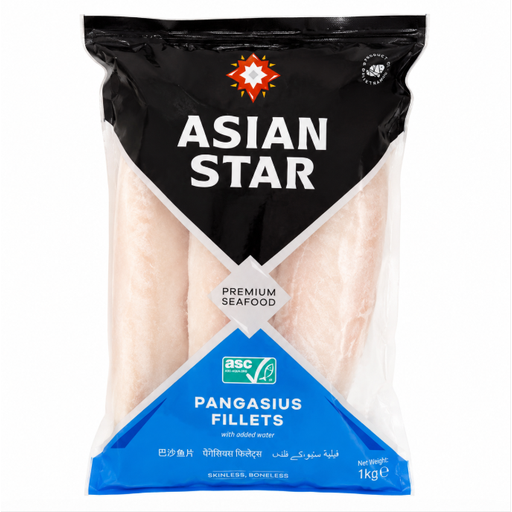
Asian Star White Pangasius Fillet, 1kg (800g net)
This plain fillet is an option if you would rather add your own seasoning than buy a coating. Check the pack’s fat and salt figures, and confirm its cooking directions before planning an unprepared weeknight meal.
View on Joybuy
 No image available
Ocean Classic Skinless & Boneless Pangasius Fillets IQF 170/200g, 1kg (800g net)
These plain fillets suit a meal you can plan ahead: the supplied directions call for thawing in the fridge before use. Check the pack’s fat and salt figures and allow for thawing when deciding whether they fit a weeknight dinner.
View on Joybuy
 No image available
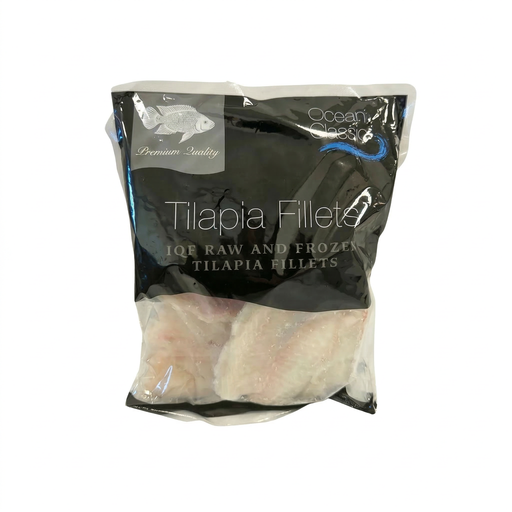
Ocean Classic Tilapia IQF Fillets, 1kg (800g net)
These uncoated fillets offer another plain-fish format, but the supplied directions call for thawing before cooking. Compare the pack’s fat and salt figures and plan the thawing time before choosing them for a quick dinner.
View on Joybuy
Frequently asked questions
Is plain frozen white fish a lower-fat choice than battered fish?
It can be, but compare the particular products. The NHS describes white fish as low in fat, while Marks & Spencer lists 1.2g fat per 100g for its plain cod fillets and 10.0g for its battered cod. Check the nutrition panel for the fish you intend to buy.
Can I cook frozen fish without thawing it first?
Some products have from-frozen directions: Young's describes its Natural Fish Fillets this way, and Birds Eye provides from-frozen oven and air-fryer instructions for its breaded cod. Follow the directions on your particular pack rather than applying another product’s cooking time or method.
Should I compare anything besides fat?
Yes. Compare salt, ingredients and cooking directions as well. Marks & Spencer lists 1.40g salt per 100g for its smoked haddock against 0.35g for its plain cod, while Tesco’s breaded cod lists wheat and milk proteins.


