
24/7 Customer Support

Free returns

Same-day & Next-day Delivery

Quality Guaranteed
Download the APP
Categories
As a Joybuy Product Recommendation Officer, my role is to help you navigate the market and find products that offer genuine value. When it comes to mountain biking, the thrill of the trail is undeniable, but so are the risks. Choosing the right equipment isn't just about performance; it's about ensuring you can ride with confidence, knowing you're well-protected.
This guide is designed to cut through the clutter, offering practical advice on selecting effective MTB protective gear. We will look at key features to consider and highlight a few recommended products that balance protection, comfort and durability for UK riders.
Before diving into specific products, it's useful to understand what separates adequate gear from great gear. Here are a few key points to consider during your search.
In the UK and Europe, look for a CE mark. This indicates that the product meets the required health, safety and environmental protection standards. For helmets, common certifications include EN 1078, while body armour often adheres to EN 1621 standards for motorcycle impact protection, which is highly relevant for aggressive trail and downhill MTB pads. Certified gear has been assessed to perform as expected during an impact.
The most effective mountain bike armour is the armour you'll actually wear. Heavy, cumbersome gear can be hot and restrictive, tempting you to leave it at home. Modern materials offer a solution. Look for a combination of hard-shell outer layers for impact and abrasion resistance, paired with shock-absorbing foam like EVA. These protective elements should be integrated into a breathable chassis made from mesh or Lycra fabrics to help manage heat and sweat during demanding rides.
Protective gear is only effective if it stays in place. A good fit is crucial. Look for adjustable straps, elasticated fabrics and silicone grippers that prevent pads from slipping. Consider the type of riding you do. For cross-country, knee pads might suffice. For more aggressive trail or downhill riding, comprehensive knee and hip protection for biking is advisable. Products like armoured cycling shorts offer integrated padding for the hips, thighs and tailbone, providing a secure and low-profile layer of safety.
Based on our analysis of product features, user needs and safety specifications, here are our recommendations for riders looking to upgrade their setup this year.
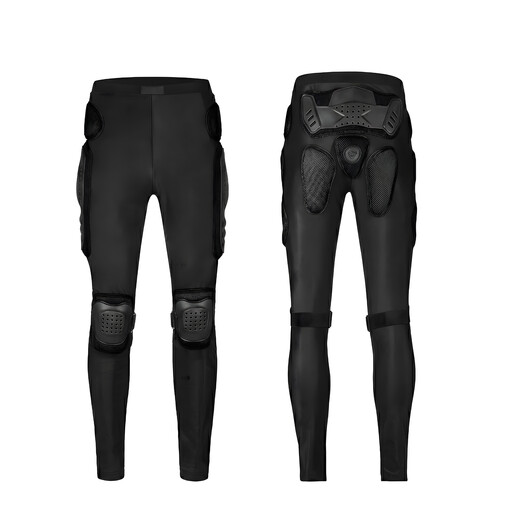
Why It Stands Out: These protective pants offer an all-in-one solution for lower-body protection. By integrating hard-shell pads directly into a flexible mesh legging, they ensure that the armour stays exactly where it needs to be during a fall, covering the hips, thighs and knees. This design is often more secure than separate knee pads, which can shift on impact.
Pros:
Who is it for? This is an excellent choice for downhill, enduro and motocross riders who require robust, integrated motocross safety gear that provides extensive coverage for the lower body.
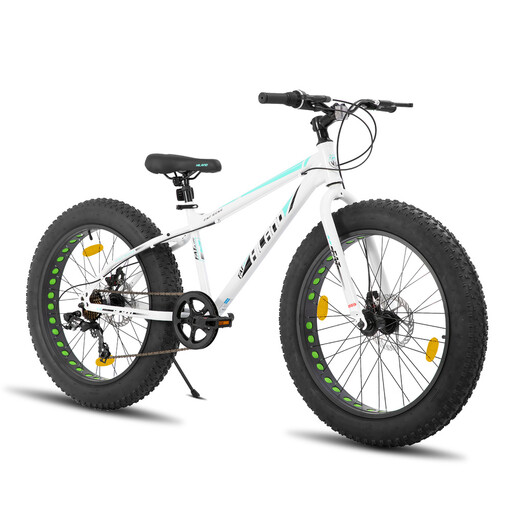
Why It Stands Out: While not traditional protective gear, a stable and reliable bike is your first line of defence on the trail. The HILAND Roon's standout feature is its wide 4.0-inch fat tires, which provide exceptional grip and stability on loose or unpredictable surfaces like sand, mud and gravel. This inherent stability can help prevent falls in the first place.
Pros:
Who is it for? Riders of all levels who frequent varied and challenging terrain and prioritise stability and control. It's a solid platform for those looking to build their confidence off-road.
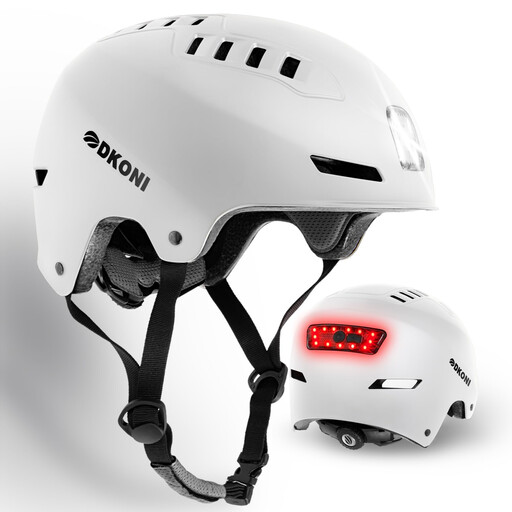
Why It Stands Out: A helmet is non-negotiable, and the DKONI HS-158 enhances this essential piece of gear with an integrated front and rear lighting system. The USB-rechargeable LEDs significantly boost your visibility to others, a critical safety feature for rides that start early, end late or pass through wooded, low-light areas.
Pros:
Who is it for? Any cyclist, from urban commuters to trail riders, who wants to maximise their safety through both impact protection and enhanced visibility in all light conditions.
The products highlighted here are just a starting point. Every rider has unique needs and preferences. If you're exploring different bike styles or searching for other types of gear, you can browse a wider selection.
Explore our full range of men's bicycle options and accessories to find the perfect fit for your next adventure.
At a minimum, every mountain biker should wear a certified helmet. For trail and enduro riding, knee pads are highly recommended. For downhill or bike park riding, the list expands to include a full-face helmet, goggles, neck brace, body armour (including back and chest protectors), elbow pads and knee/shin guards.
Your gear should be snug enough to stay in place without restricting your movement or circulation. When trying on pads, move around in a riding position. They shouldn't slip down or rotate. For helmets, there should be no significant movement when you shake your head and the straps should be comfortably fastened.
Yes, in many cases you can. Motocross safety gear is often built to withstand high-speed impacts, making it a durable choice for aggressive downhill and freeride mountain biking. The primary consideration is breathability and weight. Some motocross gear can be heavy and warm for the pedalling involved in enduro or trail riding, but for lift-assisted downhill, it provides an excellent level of protection.