
24/7 Customer Support

Free returns

Same-day & Next-day Delivery

Quality Guaranteed

Unlock Your Welcome Offers: FREE Delivery | Up to 80% OFF | Free 30-day JoyPlus trial
Download the APP
A multi-sport cycling and skateboard helmet can be a practical choice for families and riders who switch between bikes, skateboards, scooters and skates. However, the product that looks suitable online may not work well in daily use.
The most common buying mistakes are not always obvious. A helmet may have an attractive shell but poor adjustability, or plenty of vents but a shape that moves during riding. Before comparing colours and prices, focus on the features that affect fit, comfort and intended use.
Labels such as “kids”, “adult” or “small” are only a starting point. Head shapes vary and size ranges differ between manufacturers. A helmet that is too loose may shift over the eyes or expose part of the forehead. One that is too tight can become uncomfortable quickly, encouraging the wearer to remove it.
Measure around the largest part of the head, approximately one inch above the eyebrows, then compare the measurement with the product’s size chart. Adjustable systems help fine-tune the fit, but they cannot compensate for selecting the wrong basic size.
A skate helmet, inline skating helmet, rollerblading helmet, scooter helmet and BMX helmet may look similar, but their intended coverage, internal padding and fit can vary. Check the activities listed by the manufacturer rather than assuming that a helmet designed for one sport is automatically suitable for every other activity.
For children, also read the warnings. Some helmets are designed for cycling, skating and scootering but are not intended for climbing or activities involving a risk of entrapment.
A helmet can meet a stated standard and still be inconvenient to wear if the straps are difficult to adjust, the lining cannot be cleaned or the shell traps heat. In the UK, damp weather and active summer riding create plenty of opportunities for sweat and moisture to build up inside the padding.
Look for removable liners, washable padding, a secure chin buckle and ventilation. These practical details often matter more than decorative graphics after several months of regular use.
For cycling and skating activities, look for clear information about EN1078. This European standard covers helmets for pedal cyclists and users of skateboards and roller skates. The supplied product information should also state the relevant intended activities.
The ACTION PW-903 and PW-905 models are described as EN1078 tested and CE certified. This information should still be checked on the product listing and helmet markings before purchase. Certification does not mean a helmet can prevent every injury, so correct fitting and sensible riding remain essential.
A shock-absorbing EPS helmet uses expanded polystyrene foam as an energy-management liner. The supplied models combine EPS with different outer shells:
The construction type is also worth noting. In-mould designs join the outer shell and EPS liner during manufacture, while out-mould designs use a separate outer shell and inner liner arrangement. Neither description replaces the need to check certification, size and condition.
An adjustable sports helmet should sit level, remain stable when the wearer gently shakes their head and allow the chin strap to be secured without pressing uncomfortably against the skin.
Ventilation is particularly useful for children and riders who use helmets for longer sessions. The ACTION PW-903 and PW-903-H include seven air vents. The OutdoorMaster Oryx range is described as having a ventilation system and includes two removable liners, which can be hand-washed and air-dried.
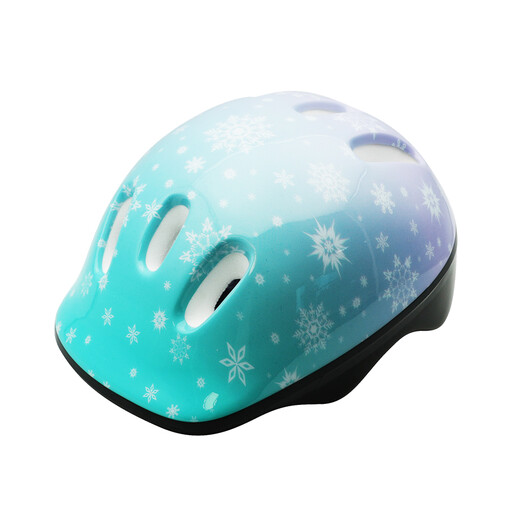
Why This Fits Their Persona: A straightforward option for a young rider starting cycling, skating or scooter trips around parks and residential paths. The printed shell may also make regular helmet use more appealing to children.
It includes a head-circumference adjuster, strong webbing straps and comfortable inner foam padding, reducing reliance on a fixed, one-size fit. The listing states EN1078 testing and CE certification.
PVC outer shell, white EPS inner liner and an adjustable fit. Suitable for cycling, skating and other wheeled sports listed by the manufacturer.
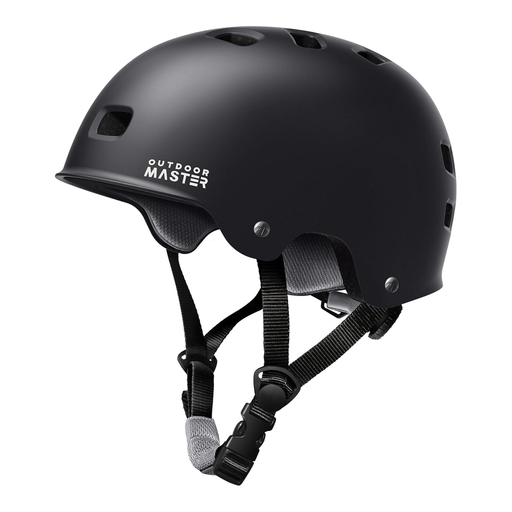
Why This Fits Their Persona: Suitable for riders aged five and older who want one helmet for cycling, skateboarding, BMX, inline skating, rollerblading and scootering.
The double adjustment system combines an adjustment dial with an adjustable chin strap. Two removable liners provide sizing flexibility and can be hand-washed.
Reinforced ABS shell, thickened EPS core, ventilation system and removable fabric liners. The S size is listed for a 52–55 cm head circumference.
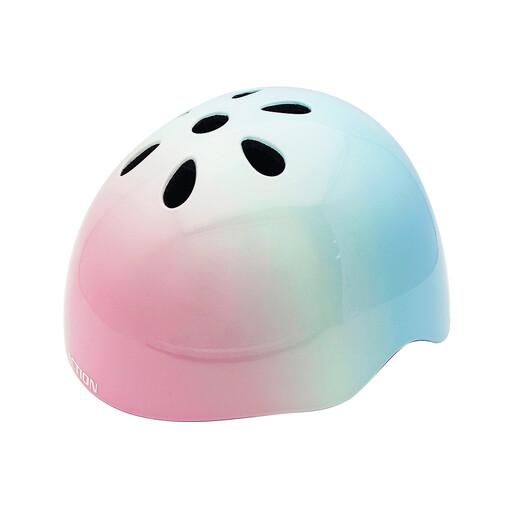
Why This Fits Their Persona: A practical match for children who regularly alternate between cycling, roller skating and scooter rides, particularly when airflow and easy fastening are priorities.
Seven vents address the heat build-up issue, while the adjuster and quick buckle make fitting easier before each outing. It is listed as EN1078 tested and CE certified.
PC outer shell with black EPS foam, seven air vents, hot-pressed liner foam and adjustable webbing straps.
We have compiled a complete, real-time list of products that fully satisfy these strict selection criteria and UK safety regulations.
Before every ride:
EN1078 is the relevant standard commonly associated with helmets for pedal cycling, skateboards and roller skates. Always confirm that the individual product is marked or described as tested for the activities you intend to do.
There is no universal replacement interval that suits every helmet. Inspect it regularly for cracks, dents, loose straps, damaged buckles or compressed padding. Replace it immediately after a significant impact and follow the manufacturer’s care and replacement guidance.
Some multi-sport designs are specifically listed for all three activities. Check the manufacturer’s intended-use information, select the correct size and refit the straps before each session. A helmet should never be used for activities outside its stated purpose.