
24/7 Customer Support

Free returns

Same-day & Next-day Delivery

Quality Guaranteed

Unlock Your Welcome Offers: FREE Delivery | Up to 80% OFF | Free 30-day JoyPlus trial
Download the APP
Whether it's for a child's first scooter ride, a teenager's trips to the skatepark or your own cycle commute, selecting a multi-sport helmet seems straightforward. However, the market is filled with options where appealing designs can sometimes mask critical safety flaws. Many buyers find themselves with a helmet that is uncomfortable, ill-fitting or, worse, not certified for its intended use. This guide will help you navigate the essential features to look for and avoid the common traps that lead to a poor purchase.
As the Joybuy Product Recommendation Officer, my role is to help you identify what truly matters, ensuring you get a helmet that offers reliable protection and value, not just marketing hype.
Before looking at what to buy, it's crucial to understand what to avoid. Many well-intentioned purchases fall short due to these common issues:
To make an informed choice, focus on these three non-negotiable parameters. They are the foundation of a safe and comfortable multi-sport helmet.
This is the most important factor. Always look for a helmet that is an EN 1078 certified helmet. This is the European standard that ensures the helmet has passed rigorous tests for shock absorption, field of vision and retention systems (straps and buckles). It is the benchmark for helmets intended for pedal cyclists, skateboarders and roller skaters in the UK. A helmet without this certification should not be considered.
A proper fit is critical for safety. A good adjustable skate helmet or kids bike helmet goes beyond a simple chin strap. Look for these two features:
To find the right size, use a soft tape measure to find the head's circumference, measuring about 2.5cm (1 inch) above the eyebrows.
The helmet's build affects its weight, durability and comfort.
Here are a few options that align with different user needs, chosen because they successfully address the common pitfalls while delivering on the core parameters.
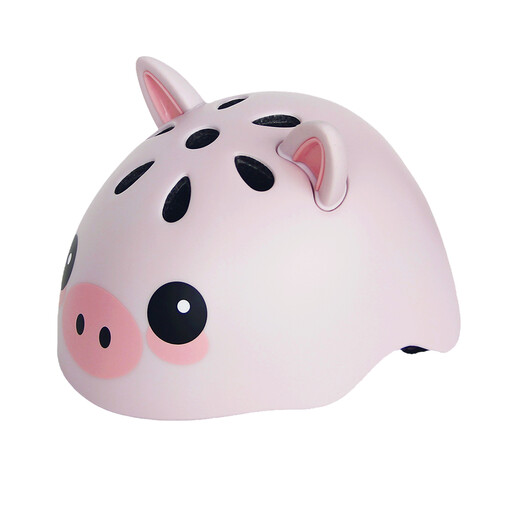
Why This Fits Their Persona: This animal helmet for kids is designed to make safety fun. The charming 3D ears and piggy design encourage children to wear it without fuss, making it ideal for parents trying to build good safety habits from a young age for cycling or scootering.
It avoids the "style over substance" pitfall by pairing a fun design with robust safety features, including EN1078 certification and an in-mould construction for reliable protection.
Features a user-friendly adjustor for a secure fit and 7 air vents for comfort. The lightweight in-mould build is ideal for small children.
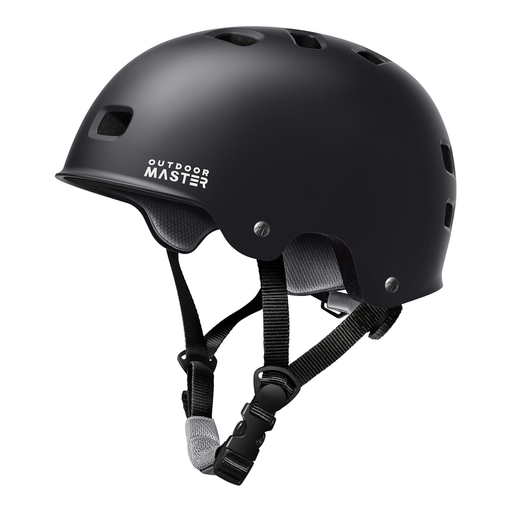
Why This Fits Their Persona: For the user who enjoys skateboarding, BMX and cycling, this helmet offers the durability needed for a range of activities. Its classic skate style is versatile, and the robust construction is suited to the demands of urban sports.
It directly counters the "one-size-fits-most" problem by including two removable liners of different thicknesses, allowing for a much more customised and secure fit alongside the standard adjustment dial.
The reinforced ABS shell and thickened EPS core provide excellent durability and impact resistance. The removable liners are also easy to wash, maintaining hygiene.
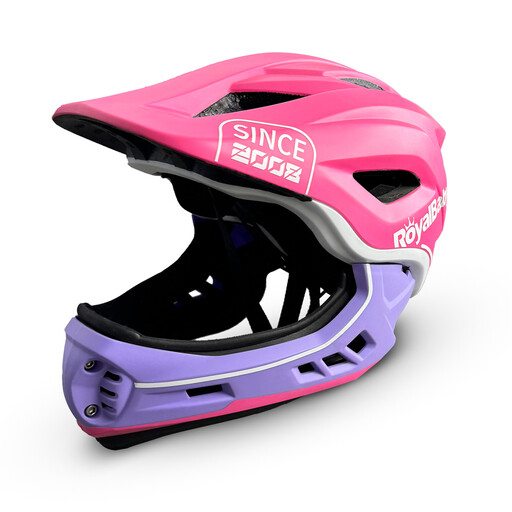
Why This Fits Their Persona: For parents of adventurous children or those getting into BMX or more demanding park riding, this full-face kids helmet offers an additional level of protection for the chin and jaw that standard open-face helmets lack.
This helmet moves beyond basic protection by offering a convertible design. It addresses the concern that a standard helmet may not be sufficient for all activities, providing a versatile, high-protection solution.
The 2-in-1 design with a detachable chin bar offers flexibility. It also includes a built-in light on the adjustment dial for enhanced visibility in low-light conditions.
We have compiled a complete, real-time list of products that fully satisfy these strict selection criteria and UK safety regulations.
1. How do I know when to replace a multi-sport helmet? You should replace your helmet immediately after any significant impact, even if no damage is visible. The internal EPS foam is designed to crush to absorb a single impact, and its protective capability will be compromised. Additionally, it is advisable to replace a helmet every 3-5 years, as materials can degrade over time due to exposure to sunlight and sweat. Also, inspect it regularly for cracks, frayed straps or a faulty adjustment system.
2. Can I use a standard cycling helmet for skateboarding? While any EN 1078 certified helmet is tested for both activities, there are design differences. Skate-style helmets typically offer more coverage at the back of the head to protect against falls common in skateboarding. Dedicated cycling helmets are often lighter with more ventilation for long-distance comfort. A multi-sport helmet is a good compromise, but if you are heavily invested in one sport, a specialised helmet may offer more tailored benefits.
3. How do I ensure I get the right size helmet for my child? Use a soft measuring tape to measure the circumference of their head at the widest point, which is usually about an inch (2.5cm) above the eyebrows. Match this measurement to the manufacturer's sizing chart. When trying it on, the helmet should be snug but not uncomfortably tight. It should sit level on the head and not move more than an inch when they shake their head. Finally, adjust the chin strap so only one or two fingers can fit between the strap and their chin.