
24/7 Customer Support

Free returns

Same-day & Next-day Delivery

Quality Guaranteed

Unlock Your Welcome Offers: FREE Delivery | Up to 80% OFF | Free 30-day JoyPlus trial
Download the APP
Whether you're navigating city streets on a scooter, enjoying a weekend cycle, or watching your child master their first skateboard, the right protective gear is non-negotiable. A multi-sport helmet is a practical choice, designed to offer protection across a range of activities. However, the market is filled with options that look the part but fail on safety, comfort and durability.
As a Joybuy Product Recommendation Officer, my role is to help you see past the marketing jargon. Many buyers, especially parents, find themselves frustrated with helmets that are quickly outgrown, uncomfortable to wear or, most worryingly, not certified for UK safety standards. Let's look at the common pitfalls to avoid and what truly matters when selecting protective headwear.
kids' skate helmet in particular, a loose fit is a significant safety hazard.children's bike helmet—if it isn't comfortable, it will be a constant battle to get them to wear it.To ensure you're buying a helmet that is safe, comfortable and built to last, focus on these core parameters.
This is the most important factor. Look for the EN1078 certified helmet label. This European standard confirms that the helmet has been tested for its construction, shock-absorbing properties and retention system (the straps and buckle). It is the benchmark for helmets intended for use with pedal cycles, skateboards and roller skates. Whether you're buying an adults' skateboard helmet or protective headwear for rollerblading, this certification is your assurance of a fundamental level of safety.
The helmet's build affects its weight, durability and ventilation.
adjustable cycling helmet or for long sessions of helmet for inline skating.A secure fit is critical. A high-quality helmet should offer two points of adjustment:
Based on these practical criteria, we've matched a few standout options to different user needs. These recommendations focus on certified safety, durable construction and user-focused features.
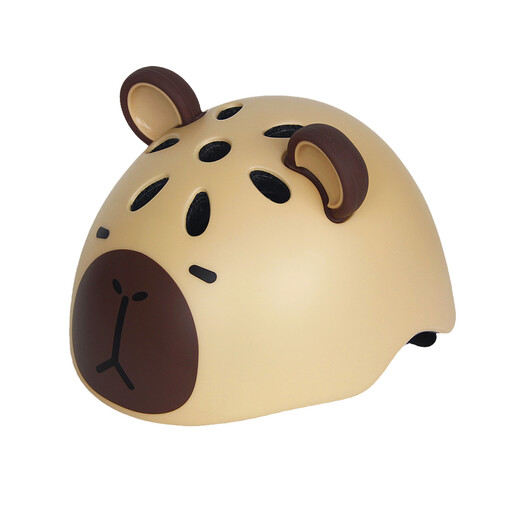
Why This Fits Their Persona: Getting children to wear safety gear can be a challenge. This helmet's charming capybara design with soft 3D ears makes safety fun, encouraging kids to wear it without fuss during their scooter or skating adventures in the park.
It is EN1078 certified, avoiding the safety certification pitfall. The user-friendly adjustor provides a proper fit, countering the "one-size-fits-most" issue, while 7 air vents address comfort.
Features a lightweight in-mould construction for comfort and a quick-release buckle that's easy for both parents and children to use.
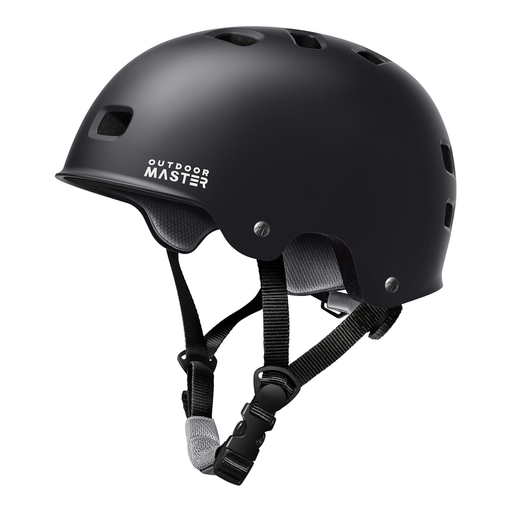
Why This Fits Their Persona: For the adult who uses a bike, scooter or skateboard for commuting or leisure, this helmet offers a classic, low-profile look combined with robust functionality. It's a no-fuss solution for everyday protection.
It directly solves the comfort pitfall by including two sets of removable, washable liners. The dual-adjustment system with a rear dial ensures a secure fit, far superior to basic strap-only models.
The reinforced ABS shell and thickened EPS core provide excellent durability for daily use, while the extra liner allows for a customised fit and easy hygiene maintenance.
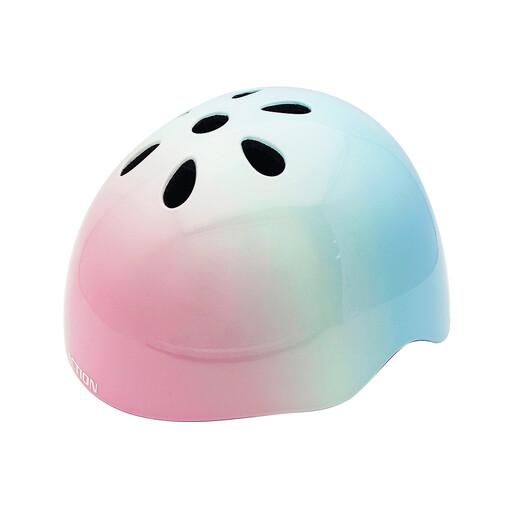
Why This Fits Their Persona: For the rider who values aesthetics as much as safety, this helmet's sleek gradient pattern and modern shape stand out. It's ideal for those who want protective gear that complements their style.
Its in-mould construction and 7-vent system directly address the comfort and ventilation pitfall, creating a lighter, cooler helmet. It is also EN1078 certified and features a full adjustment system.
The advanced in-mould build fuses the PC shell and EPS foam, resulting in a lightweight yet durable helmet that offers superior airflow for comfortable, all-day use.
We have compiled a complete, real-time list of products that fully satisfy these strict selection criteria and UK safety regulations.
1. How often should you replace a multi-sport helmet? A helmet should be replaced immediately after any significant impact, even if there is no visible damage. The internal EPS foam is designed to compress and absorb a single major shock. For general use, it's advisable to replace a helmet every 3-5 years, as materials can degrade over time due to exposure to sunlight and sweat.
2. Can I use a standard bike helmet for skateboarding? While some bike helmets may offer adequate protection, a certified multi-sport helmet is the more appropriate choice. Helmets certified to the EN1078 standard have been tested for the types of impacts common to cycling, skateboarding and roller skating. Skate-style helmets often provide more coverage at the back of the head, which is beneficial for falls common in board sports.
3. How do I find the right size helmet for my child? Use a soft tape measure to find the circumference of your child's head at its widest point, typically about one inch (or 2.5cm) above their eyebrows. Match this measurement in centimetres to the manufacturer's sizing guide. A well-fitting children's bike helmet should sit level on the head and feel snug. Use the rear adjustment dial to eliminate any wobble before securing the chin strap.