
24/7 Customer Support

Free returns

Same-day & Next-day Delivery

Quality Guaranteed

Unlock Your Welcome Offers: FREE Delivery | Up to 80% OFF | Free 30-day JoyPlus trial
Download the APP
A multi-sport skateboard helmet can be used for more than skateboarding. The right design may also suit cycling, BMX, scootering, roller skating and inline skating, helping households avoid buying separate head protection for every activity. However, product descriptions can make similar helmets appear interchangeable when important differences exist.
The main buying decision is not simply colour or price. UK shoppers should check the fit range, construction, ventilation, adjustment system and stated safety standard before ordering. The following guide explains the practical details and highlights suitable options for different users.
Labels such as “adult”, “youth” or “kids” are only general guides. Head sizes vary considerably, particularly among children aged five and over. A helmet that is too loose may move during riding, while one that is too tight can become uncomfortable quickly.
Measure around the largest part of the head, approximately 2–3 cm above the eyebrows, and compare the result with the product’s stated size range. For children, recheck the fit regularly rather than assuming a helmet will remain suitable throughout the year.
A helmet designed for cycling, skating and scootering may not be intended for motorcycle riding, high-speed downhill use or extreme sports. Read the manufacturer’s recommended activities and safety warnings carefully.
A BMX helmet, inline skating helmet, rollerblading helmet or scooter helmet may share similar materials, but their shape, coverage and intended use can differ. “Multi-sport” should be treated as a stated usage category, not a guarantee of protection in every situation.
A helmet that feels hot, shifts around or retains sweat may be left at home. Look for a ventilated sports helmet, breathable padding and an adjustment system that can be operated while wearing the helmet.
Removable liners are also useful for regular users. They can be hand-washed and air-dried, although care instructions differ by product. Do not machine-wash protective pads or use solvents unless the manufacturer specifically permits it.
The helmet should sit level on the head, with the front positioned above the eyebrows rather than tilted backwards. The side straps should form a neat “V” around the ears, and the chin strap should be snug without restricting comfort.
An adjustable skateboard helmet with a rear dial and adjustable chin strap can help fine-tune the fit. Some models include more than one liner thickness, which may be useful where the wearer is between sizes. A dial cannot compensate for a fundamentally unsuitable size, so measure first.
Available product sizing varies. Examples include:
Always check the specific product page and selected variant before purchasing.
An ABS shell helmet uses acrylonitrile butadiene styrene as the outer shell material. It is commonly paired with an EPS foam helmet liner. Expanded polystyrene is designed to absorb energy in certain impacts, but no helmet can prevent all injuries.
Other constructions use a polycarbonate outer shell with EPS foam. The ACTION PW-903-H models use an in-mould construction, combining the PC shell and EPS liner into one unit. This provides a different construction approach from the reinforced ABS and separate EPS-core design used by the OutdoorMaster Oryx range.
Do not remove or modify the shell, foam, straps or padding. Replace a helmet after a significant impact, even if there are no visible cracks or dents.
Vents allow air to circulate during active use. The ACTION children’s helmet lists seven air vents, while the OutdoorMaster Oryx descriptions specify a smooth ventilation system.
For UK use, check whether the product states EN 1078 compliance or certification. EN 1078 relates to helmets for pedal cyclists, skateboarders and roller skaters. The ACTION PW-903-H listing states EN1078 tested and CE certified. For other products, review the individual listing rather than assuming the same certification applies.
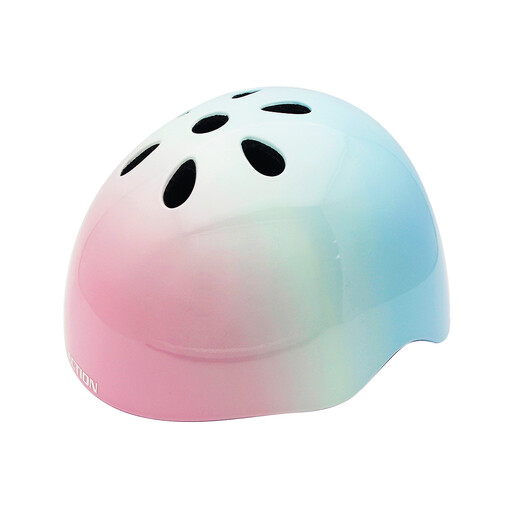
Why This Fits Their Persona: A practical choice for a younger rider beginning cycling, roller skating or scooter riding in parks, neighbourhoods and on local paths.
The XS option has a head-circumference adjustor, so parents can prioritise measured fit instead of relying on an age label.
PC outer shell, EPS foam liner, seven air vents, quick buckle and EN1078 tested and CE certified according to the listing.
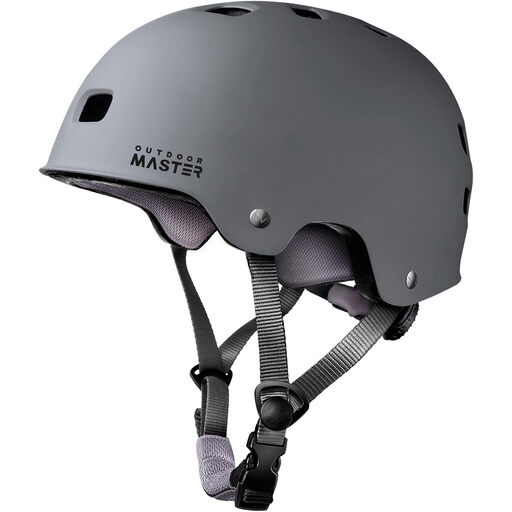
Why This Fits Their Persona: Suits adults or older teenagers wanting one neutral-colour helmet for regular cycling, skateboarding, BMX and inline skating.
Its listed adjustable dial, chin strap and ventilation address common issues with helmets that feel loose or become warm during longer rides.
Reinforced ABS shell, thickened EPS core and two removable washable liners are listed, alongside multi-sport use.
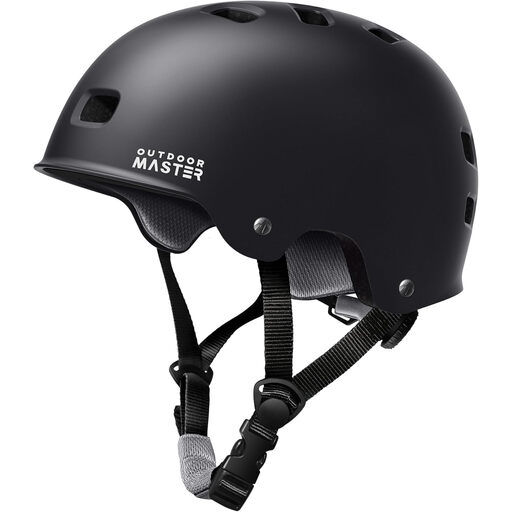
Why This Fits Their Persona: The larger size is suitable for adults with a head circumference between 59 and 63 cm who need a helmet for frequent recreational sessions.
The clearly stated 59–63 cm range reduces the risk of ordering a generic “large” that does not accommodate the wearer’s measured head.
ABS shell, EPS foam core, adjustment dial, ventilation and two removable liners are specified for this variant.
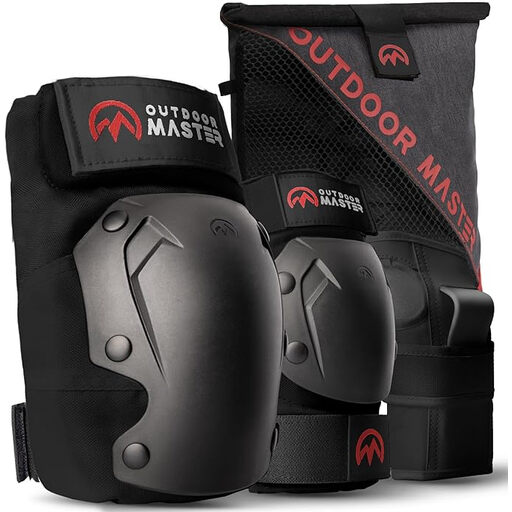
Why This Fits Their Persona: Designed for adults and teenagers who want head and limb protection for skateboarding, rollerblading, scootering, cycling or BMX.
Instead of buying separate accessories, this set includes adjustable knee and elbow pads plus wrist guards, while still requiring a correctly fitted helmet.
ABS shells, high-density EVA foam, adjustable nylon straps, wrist guards and a portable carry bag are included.
We have compiled a complete, real-time list of products that fully satisfy these strict selection criteria and UK safety regulations.
Before each session:
EN 1078 covers helmets intended for pedal cycling, skateboarding and roller skating. Check the individual product listing for the stated certification or testing information. It does not mean that one helmet is suitable for every sport or every type of impact.
There is no universal replacement period that applies to every helmet. Replace it after a significant impact, even if damage is not visible, and inspect it regularly for cracks, crushed foam, worn straps or a failing buckle. If the helmet no longer fits securely or the components have deteriorated, it should not continue to be used.
They are a practical addition for beginners, children and anyone practising balance or stopping skills. Knee pads, elbow pads and wrist guards protect different areas from contact with the ground, but they do not replace a properly fitted helmet or responsible riding practices.