
24/7 Customer Support

Free returns

Same-day & Next-day Delivery

Quality Guaranteed

Unlock Your Welcome Offers: FREE Delivery | Up to 80% OFF | Free 30-day JoyPlus trial
Download the APP
A multi-sport skateboarding helmet can be useful for skateboarding, cycling, BMX, scootering, inline skating and rollerblading. However, choosing one based only on colour or a bold “impact protection” claim can lead to an uncomfortable or unsuitable purchase.
Parents and adult riders commonly encounter three avoidable traps:
The practical approach is to check the intended activities, head circumference, construction and adjustment system before comparing colours or prices.
Measure around the widest part of the head, approximately one inch above the eyebrows, keeping the tape level. Compare the measurement with the product’s stated range rather than selecting XS, S, M or L by assumption.
For example, the OutdoorMaster Oryx range includes sizes such as:
The exact range depends on the product listing, so check the individual size specification before ordering. An adjustable sports helmet should sit level and snugly, without pressing painfully against the head or shifting when the rider looks up and down.
An ABS shell helmet has a hard outer layer, while an EPS foam helmet uses expanded polystyrene inside to absorb energy in certain impacts. Some children’s helmets use an in-mould construction, bonding a polycarbonate shell to EPS foam as one unit.
These materials are not a guarantee against every injury. Their practical importance is that the helmet has a defined outer shell and impact-absorbing liner rather than relying only on soft padding. Never remove, modify or replace the original components with unofficial parts.
For a children’s helmet intended for cycling, roller skating or scooter riding, look for clearly stated standards on the product information. The ACTION PW-903-H listings specify EN1078 tested and CE certified. EN1078 relates to helmets for pedal cyclists, skateboarders and roller skaters.
Certification should still be considered alongside fit and intended use. A standard skateboard helmet, cycling helmet or inline skating helmet may not be suitable for motorcycle riding, climbing or activities involving unusual entrapment risks. A full-face children’s helmet offers a different coverage style, but the chin bar and fit must be used exactly as described.
The products below are selected according to measurable features and different everyday use cases, rather than broad marketing promises.
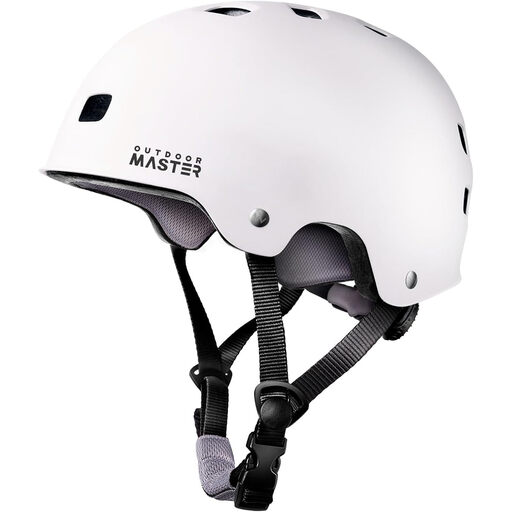
Why This Fits Their Persona: A practical option for a rider starting with skateboarding, cycling, skating or scootering who wants one helmet for several standard activities.
The stated 52–55cm range, adjustment dial and chin strap make fit easier to refine than relying on age alone.
Reinforced ABS shell, EPS core, ventilation and two removable washable liners.
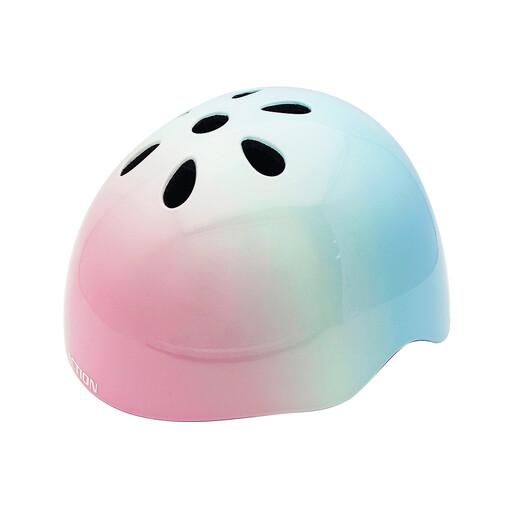
Why This Fits Their Persona: Suitable for parents seeking a children’s multi-sport helmet with clearly listed construction and certification details for regular park, cycle-path and neighbourhood use.
Its EN1078 tested and CE certified specification is stated in the listing, while the dial adjuster and quick buckle support repeatable fitting.
PC outer shell, EPS foam, seven vents, quick buckle and head-circumference adjuster.
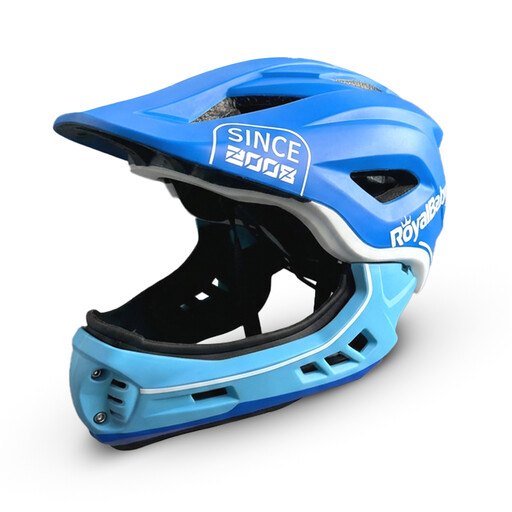
Why This Fits Their Persona: Designed for children aged 5–13 who switch between everyday scootering or balance biking and activities where a detachable chin bar is preferred.
The two wearing modes are clearly defined, so the chin bar is not treated as a universal substitute for activity-specific equipment.
PC shell, EPS impact liner, washable fabric liner, multiple vents and 20–23-inch adjustable head circumference.
Before each ride, check that the skateboard helmet sits level, covers the forehead without obstructing vision and does not move when the rider turns their head. Fasten the chin strap so it is secure but comfortable, following the product instructions.
For maintenance:
A helmet is not a substitute for responsible riding, traffic awareness or adult supervision. For children, check the fit again as head size changes and before every session.
We have compiled a complete, real-time list of products that fully satisfy these strict selection criteria and UK safety regulations.
Some models are listed for both skateboarding and cycling, but suitability depends on the product specification and certification. Check the stated use, fit range and standard rather than assuming that every skate helmet is suitable for every cycling activity.
There is no universal replacement interval that applies to every model. Replace it immediately after a significant impact, and inspect it regularly for cracks, crushed EPS foam, loose straps, damaged buckles or degraded padding. Replace it if its condition or fit can no longer be trusted.
Yes, particularly for children or riders using a helmet frequently. Removable liners can be hand washed and air-dried, helping manage sweat and routine cleaning. They must be reinserted correctly, and damaged liners should not be replaced with unsuitable padding.