
24/7 Customer Support

Free returns

Same-day & Next-day Delivery

Quality Guaranteed

Unlock Your Welcome Offers: FREE Delivery | Up to 80% OFF | Free 30-day JoyPlus trial
Download the APP
Finding the right marker pen should be simple, but it often ends in frustration. You grab a pen to label a plastic storage box, only to have the ink smudge. You try to create a beautiful window display for your café, but the colours are faint and wash away in the first drizzle. The truth is, not all markers are created equal, and using the wrong one for the job can ruin a project.
Whether you are an artist, a small business owner, a teacher or simply organising your home, choosing the correct tool is essential. This guide is designed to help you navigate the different types of multi-surface markers available. We will break down what to look for based on the material you're working with and the finish you need, helping you make a confident and practical choice.
Before you add a marker to your basket, consider these key factors. A few moments of thought can save you from smudged lines and faded designs.
The most critical factor is the ink formulation. Different inks are designed to adhere to different types of materials.
Think about how long you need your markings to last.
The tip of the marker determines the kind of line you can create.
Based on common creative and practical needs, here are a few standout options that deliver on their specific promises.
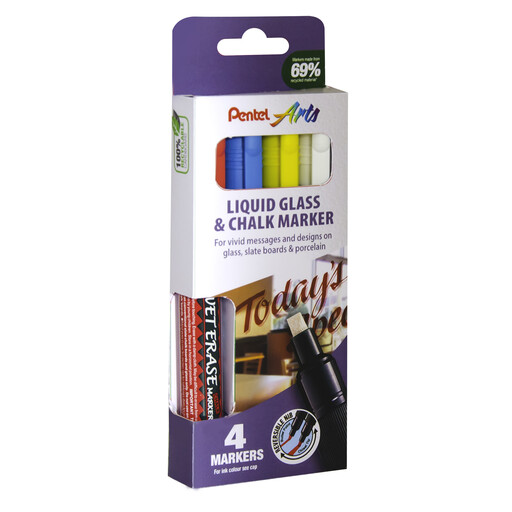
Why It Stands Out: This marker is built for high-impact communication. Its semi-permanent formula is a key feature, offering a balance between durability and removability. Once dry, it can withstand a light shower, making it suitable for outdoor A-boards or shop windows, but it can still be wiped clean with a damp cloth when it's time for an update.
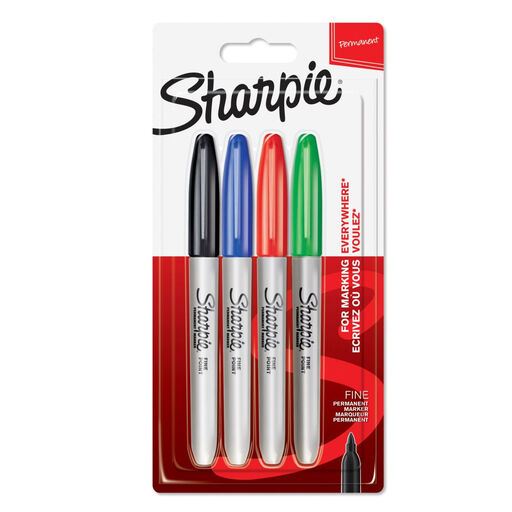
Why It Stands Out: This is a household name for a reason. Its reliability and versatility make it a staple in homes, offices and workshops across the UK. The ink is engineered to be permanent on most surfaces, delivering a crisp, fade- and water-resistant line that you can count on.
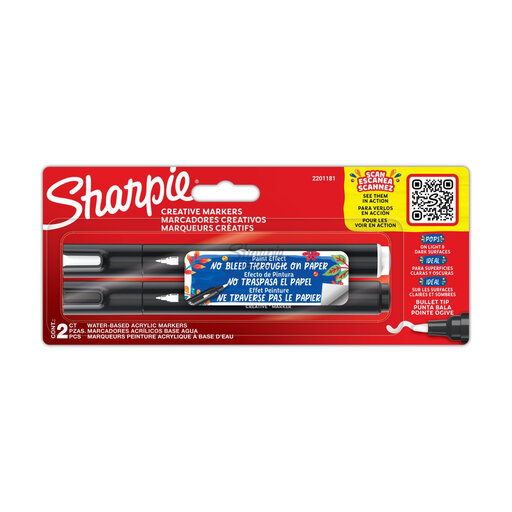
Why It Stands Out: These markers bridge the gap between drawing and painting. They lay down smooth, opaque acrylic colour with the ease of a pen. A significant advantage is that the water-based ink doesn't bleed through paper, and it performs just as brilliantly on dark surfaces as it does on light ones. The "no shake" feature means it's always ready to go.
These recommendations cover some of the most common uses for multi-surface markers, but the right tool is always a personal choice. If you need a different colour palette, tip size or ink type, there are many other options to consider.
If you're looking for a different kind of permanent marker pen, explore our full collection to find the perfect tool for your next project.
Explore the Full Range of Permanent Marker Pens at Joybuy
1. What markers work best on glass? For temporary or updateable writing on glass, such as a cafe menu, liquid chalk markers are an excellent choice as they are vibrant and removable. For a permanent design on glass, acrylic paint pens or oil-based permanent markers provide strong adhesion and an opaque finish that lasts.
2. Can you use permanent markers on wood? Yes, standard permanent markers are effective for writing and drawing on most wood surfaces, especially for labelling. For more decorative work where you want a solid, paint-like finish, acrylic paint pens are a better option as their opaque ink can cover the wood grain more effectively.
3. Are all multi-surface markers waterproof? Not always. "Multi-surface" indicates the marker's versatility across different materials, not necessarily its durability against water. Many solvent-based permanent markers and dried acrylic paint markers are water-resistant or fully waterproof. However, liquid chalk markers are designed to be removed with water. Always check the product's specifications to ensure it meets your needs for a waterproof marker pen.