One-pot casserole regulars
You want to soften onions or other aromatics, add canned beans and sauce, and finish cooking without transferring food between pans.


For a casserole made with canned beans, start with a multicooker that lets you sauté the flavour base and then simmer or slow cook in the same pot. Pressure cooking is worth considering if you also make meals that benefit from it, but it is not essential for beans that are already cooked. Before choosing, check the capacity against your usual batch, the cleaning instructions and, for a pressure-capable model, its lid and release guidance.
You want to soften onions or other aromatics, add canned beans and sauce, and finish cooking without transferring food between pans.
You mainly make straightforward bean casseroles now but also want programmes for other one-pot dishes.
You make several portions at once and need a pot that is manageable to fill, lift and clean after a thick casserole.
Check the sauté-to-simmer workflow first. Then decide whether pressure cooking serves your other meals and whether the pot suits your usual batch.
| Concern | What to check | Who this matters to |
|---|---|---|
| One-pot cooking | Look for sauté or sear plus simmer, braise or slow cook on the exact model. | If I regularly make canned-bean casserole, I want to soften the flavour base and finish the sauce without changing pans. Around 42% of consumers put that one-pot workflow first. |
| Other meals | Check whether the model combines the cooking modes you would use, and read its pressure-use instructions if applicable. | My bean casserole does not call for pressure cooking, but I may want that option for other dishes. Broader cooking flexibility comes first for around 33% of consumers. |
| Batch size and cleaning | Compare stated capacity with your batch, then check pot-cleaning and hot-pot handling instructions. | When I make several portions, I need enough working room in the pot and a clean-up routine I can manage. Around 25% of consumers prioritise batch size and handling. |
Canned beans are already cooked. For this casserole, sautéing the flavour base and controlling the sauce as it simmers are more relevant than pressure capability alone.
Choose a pressure-capable model if you expect to use that function for other meals; otherwise, start by checking its sauté and simmer or slow-cook modes.
The usable amount depends on the ingredients, liquid and the model’s fill guidance, particularly when pressure cooking. A full, hot inner pot also needs careful handling.
Compare capacities against your usual batch and consult the exact model manual rather than planning to fill the pot to its rim.
Air frying, grilling or steaming may serve other meals, but they do not replace the sauté and simmer stages of a canned-bean casserole.
Check the modes you will actually use, along with capacity, cleaning instructions and worktop fit.
Pressure-capable models introduce lid, vent and release procedures that matter when handling hot food and steam.
Read and keep the supplied manual for the exact model, including its setup, fill, cleaning and pressure-release instructions.
Instant Pot UK lists multicookers in different capacities with pressure-cook, slow-cook and sauté functions on supported models.
Ninja UK describes the PossibleCooker with sear or sauté, simmer, braise and slow-cook modes; its Foodi range also includes pressure-capable multifunction models.
Sage Appliances UK distinguishes slow cooking over several hours from cooking with pressurised steam.
These multicookers offer different stated capacities and one-pot cooking options relevant to canned-bean casserole. Choose between them by checking your usual batch, the cooking modes you will use beyond casserole and the care instructions for the exact model.
 Image unavailable
Consider this if you want to sauté and slow cook a casserole, with pressure cooking available for other meals.
The product name states a 5.7L capacity, ceramic non-stick coating and a recipe book. Check worktop fit and follow the model’s fill and pressure-release instructions.
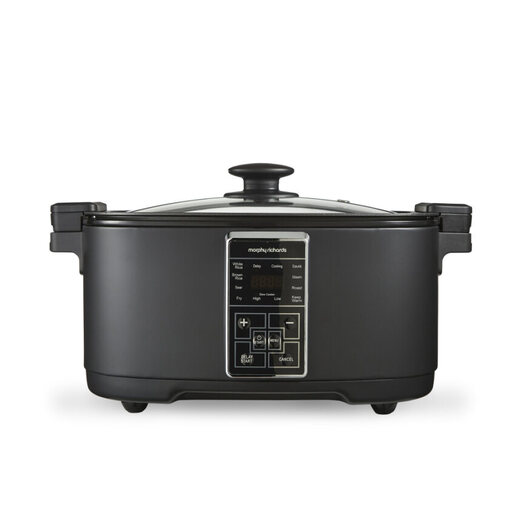 Image unavailable
Consider this for a larger batch when searing ingredients and then slow cooking in one pot matches your routine.
The product name states 1350W, a 6.5L capacity and a dishwasher-safe pot and accessories. If pressure cooking matters for other meals, confirm that the exact model offers it; also check worktop fit.
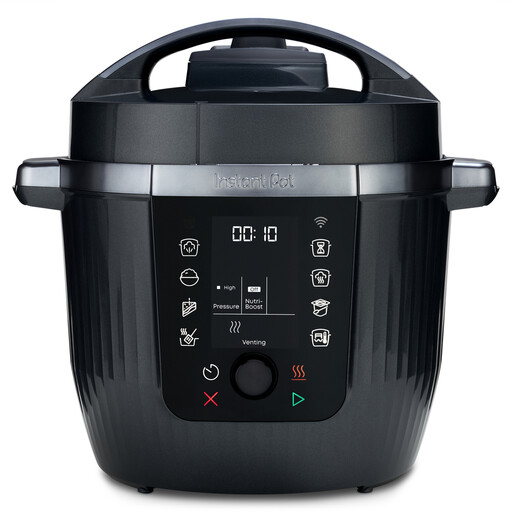 Image unavailable
Consider this if you want a one-pot casserole workflow and expect to use pressure cooking for other meals too.
The stated capacity is 5.7L. Before choosing, check the inner-pot cleaning instructions and worktop dimensions; follow the exact model’s guidance for pressure use and release.
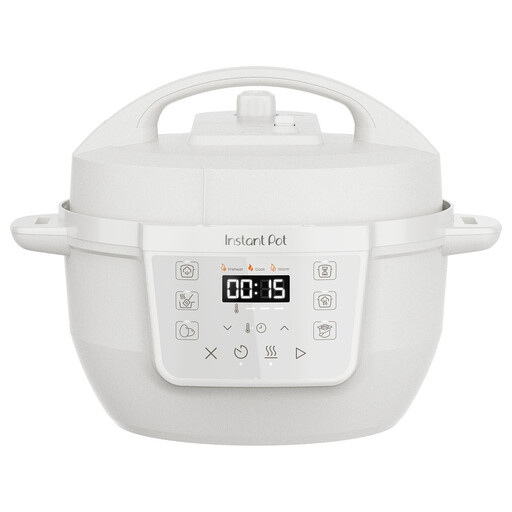 Image unavailable
Consider this for a smaller usual batch if you also want pressure cooking available for other meals.
The stated capacity is 3.8L; compare it with the quantity you normally cook rather than treating litres as a serving count. Check the inner-pot cleaning instructions, worktop fit and model-specific pressure guidance.
No: canned beans are already cooked, so sautéing ingredients and then simmering or slow cooking the sauce are the more relevant functions. Choose pressure capability if you will use it for other meals.
Look for sauté or sear plus simmer, braise or slow cook for the casserole workflow. A Keep Warm mode may help when serving, but it is not a substitute for cooking food thoroughly or storing leftovers safely.
Read the exact model’s manual for setup, compatible lids, fill guidance and pressure release before using it. Instant Pot’s UK manual also instructs users to place its 5.7L multicooker on a stable, level, non-combustible surface.
Reheated rice should be steaming hot all the way through, according to Food Standards Agency guidance applicable to England, Northern Ireland and Wales. Follow the relevant storage and reheating guidance for the rice and the casserole’s other ingredients.