Stock cooks preparing several meals
If you intend to chill or freeze stock for later meals, compare the vessel size with its fill guidance and consider how you will decant and portion the finished batch.


Choose a pressure-capable multicooker if a shorter stock-making window matters most; choose one with slow cooking as well if you also want the option of cooking for several hours at low, steady heat. For batches, compare bowl size with the exact model’s fill instructions, then plan how you will portion and chill the stock. Stated bowl capacity is not a guaranteed yield of finished stock.
If you intend to chill or freeze stock for later meals, compare the vessel size with its fill guidance and consider how you will decant and portion the finished batch.
If an all-day hob simmer does not fit your schedule, a pressure-cooking mode may be more useful than additional baking or air-frying programmes. Allow for the appliance’s heat-up and pressure-release steps.
If you make stock regularly, guided settings, a manageable pressure-release method and removable parts that suit your cleaning routine may matter as much as the programme list.
Start with the amount of stock you want to store and the time you can allow for cooking. Then compare the exact model’s functions, fill guidance and cleaning requirements.
| Concern | What to check | Who this matters to |
|---|---|---|
| Batch size and storage | Compare stated bowl capacity with the model’s maximum-fill instructions; plan containers for portioning the stock. | I want enough stock for several meals without assuming the whole bowl can be filled or stored as one batch. Around 36% of consumers put batch size and storage first. |
| Cooking schedule | Confirm pressure-cook and slow-cook modes on the exact model, including its pressure-release instructions. | I need a shorter cooking option on busy days but sometimes have several hours to let stock cook gently. Around 29% of consumers prioritise that scheduling flexibility. |
| Controls and cleaning | Check how programmes and pressure release work, plus the bowl material and which removable parts are dishwasher-safe. | When I make stock repeatedly, I want operation and cleanup to feel manageable. For around 21% of consumers, ease of use and cleaning is the primary concern. |
| Uses beyond stock | List the additional cooking modes you would use and confirm them for the exact model. | I want the worktop space taken up by a multicooker to serve other meals too. Around 14% of consumers place that versatility first. |
Bones, vegetables and liquid occupy space, and pressure cooking requires the exact model’s fill instructions. A stated 5.6L or 6L bowl does not promise that volume of stock.
Decide how many portions you want, then check the manual’s maximum-fill guidance before choosing a vessel.
Keeping cooked stock warm is not the same as chilling it for storage. GOV.UK advises dividing food into smaller portions so it cools quickly before refrigeration or freezing.
Have suitable containers ready, portion the finished stock and refrigerate or freeze it promptly.
A programme count alone does not establish that a model offers pressure cooking, slow cooking and browning or sautéing.
Confirm the modes on the exact product before giving secondary programmes priority.
Electrical Safety First warns that an overloaded extension lead, cable reel or adaptor can overheat and create a fire risk.
Use a suitable wall socket where possible. If you use an extension lead, check its current rating and keep the total load within it.
These ranges illustrate different controls, bowl sizes and materials to check; compare the specifications of the particular model you intend to buy.
Instant Pot’s UK range includes pressure-capable multicookers in several stated sizes, with slow-cook and sauté options for different cooking schedules.
The Cook4me+ CY851840 is a 6L guided-control option for cooks who want on-screen help alongside pressure-cooking modes.
The 5.6L Express CSC051 offers a more direct set of cooking modes for stock and other meals.
These choices cover a slow-cook-led approach as well as models to consider when pressure cooking is part of your stock-making plan. Check each model’s fill instructions against the batch you intend to make.
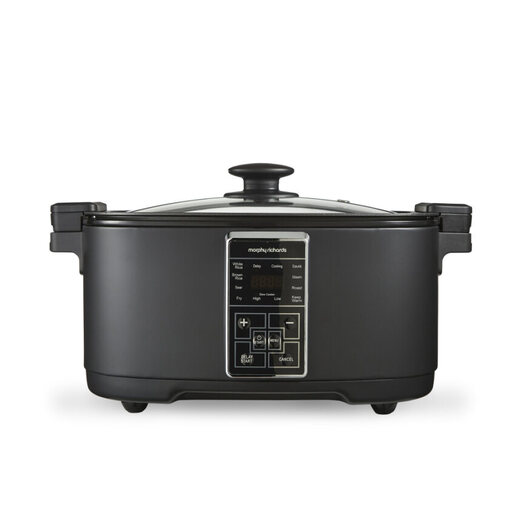 No image available
Consider this model if you plan a longer stock-cooking schedule; check its slow-cook instructions and filling guidance for your batch. Its stated capacity is 6.5L, and the product title lists a 1350W rating and a dishwasher-safe pot and accessories. If pressure cooking is essential, confirm that the exact model offers it before buying.
 No image available
For cooks considering pressure cooking with a slow-cook alternative, this 5.7L model lists both approaches in its product title. It also lists sautéing and a ceramic non-stick coating. Check the pressure-cooking fill guidance before deciding how much stock to make at once.
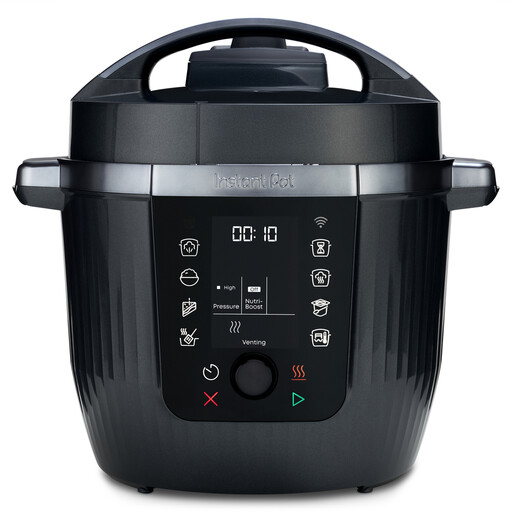 No image available
This model suits cooks who want pressure cooking and the option to slow cook or sauté in the same appliance. Instant Pot UK lists those functions, a stainless-steel inner pot and dishwasher-safe parts for the Pro 5.7L. Use its model-specific fill instructions to assess your stock batch.
 No image available
Consider this 6L model if you want pressure and slow-cook options for different stock-making schedules. Its title lists 10 programmes, a stainless-steel pot and both cooking functions. Check the exact fill guidance and whether the removable parts suit your cleaning routine.
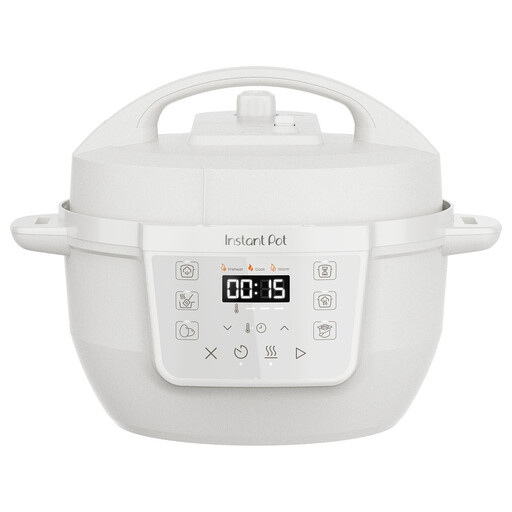 No image available
The stated 3.8L bowl makes this a model to assess for smaller stock batches. Check its pressure- and slow-cook instructions, maximum-fill level and pot-cleaning guidance against the way you intend to cook and store your stock.
Choose pressure cooking for a shorter cooking window, or slow cooking when you can allow several hours at low, steady heat. If you want both schedules, confirm that the exact multicooker offers both modes and follow its filling and pressure-release instructions.
It depends on your intended portions and the model’s permitted fill level: stated bowl capacity is not finished-stock yield. Bones, vegetables and liquid take up room, so check the exact manual before deciding whether a 5.6L or 6L model meets your batch target.
Divide the finished stock into smaller portions and chill or freeze it promptly rather than leaving a full pot to cool slowly. GOV.UK advises using smaller containers or freezer bags to help food cool quickly before it goes into the fridge or freezer.
Portion the stock so you can reheat what you intend to use rather than repeatedly reheating the whole batch. Food Standards Agency guidance for caterers says food should only be reheated once; cool and store the remaining portions safely.
Use the appliance with dry hands and avoid overloading a socket or extension lead. Electrical Safety First advises checking an extension lead’s maximum current rating against the appliances connected to it.