Time-short stock makers
If you want homemade stock without a long simmer, look for a pressure-cook programme and read the model's instructions for liquid levels, filling and releasing pressure.


Choose a pressure multicooker if a shorter route to homemade chicken stock matters most, but check its liquid requirement and pressure-fill marking before planning a batch. If you also want a longer simmer or to brown aromatics in the same pot, look for slow-cook and sauté modes; stated bowl capacity alone does not tell you how much stock you can pressure-cook.
If you want homemade stock without a long simmer, look for a pressure-cook programme and read the model's instructions for liquid levels, filling and releasing pressure.
If you make stock for several meals or freeze portions, compare the space your ingredients need with the cooker's pressure-fill marking, not just its stated bowl capacity.
If you want to brown aromatics before cooking or switch to a slow simmer, check for sauté and slow-cook modes. Removable-pot material and cleaning instructions also matter when you make stock regularly.
For a multicooker chosen chiefly to make chicken stock, decide how you want to cook it, then check whether the intended batch fits within that model's instructions.
| Concern | What to check | Who this matters to |
|---|---|---|
| Pressure-cooking speed | Check for a pressure-cook mode, the required water-based liquid level and instructions for filling and releasing pressure. | If I want stock without a long simmer, I need a pressure-cooking route whose setup I can follow. Roughly 36% of consumers put that need first. |
| Batch size | Compare bowl capacity with the pressure-fill marking, allowing room for bones, vegetables and liquid. | When I make stock for several meals, the ingredients need to fit within the permitted fill level. For around 29% of consumers, batch headroom is the main concern. |
| One-pot flexibility | Look for sauté or brown and slow-cook modes if you will use them; check which removable parts can be washed in a dishwasher. | I may want to brown aromatics in the pot or choose a slower simmer, without creating more washing-up than necessary. That flexibility comes first for roughly 21% of consumers. |
| Handling and storage | Consider how you will handle a hot pot and whether you have containers and chilling space for the batch. | A large quantity of hot stock needs careful handling and space to cool in portions. Around 14% of consumers chiefly prioritise that practical side of stock making. |
A stated capacity does not mean you can fill the bowl to that level with stock ingredients under pressure. Instant Pot's guidance for its 5.7L multicooker requires contents to stay below the PC Max 2/3 line.
Before choosing a size, check the exact cooker's manual and pot markings against the bones, vegetables and liquid you intend to use.
Extra modes are less relevant if the cooker lacks a function you intend to use for stock, such as pressure cooking, slow cooking or sautéing.
Choose the cooking route you expect to use, then check whether the exact model offers the other modes you would actually use.
Instant Pot warns that a full removable inner pot can be extremely hot and heavy. A large batch also needs to be divided and chilled promptly after cooking.
Plan where the cooker will stand and how you will portion the stock without moving a full hot pot unnecessarily.
Oven mitts and suitable containers for portioning may be needed.
A different model code can change which manual and product details apply. This matters particularly when checking pressure-use instructions for the appliance you will receive.
Match the full model number on the listing to the manual, capacity and included accessories before buying.
The Duo 5.7L is a mid-sized option for cooks who want pressure cooking, slow cooking and sautéing in one appliance.
The Foodi MAX OL750UK is a 7.5L option to examine if you regularly plan larger batches and want both pressure-cook and slow-cook modes.
Tefal lists stock-relevant functions across the 4.8L Turbo Cuisine CY754840 and 6L All-in-One CY505.
These pressure multicookers offer different stated capacities for chicken-stock batches. Check each model's pressure-fill and liquid instructions before deciding how much stock to make; slow-cook and sauté modes should be checked separately if you want those options.
 No image available
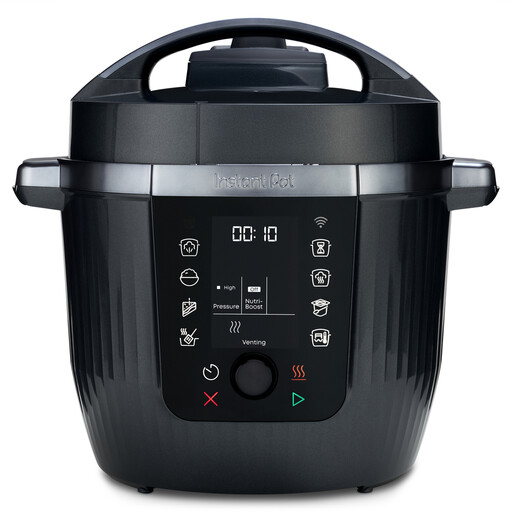
Consider this model if you want pressure cooking with slow-cook and sauté options for stock preparation.
The stated capacity is 5.7L, and the product name specifies a ceramic non-stick coating. Check its own liquid requirement and pressure-fill marking before choosing a batch size.
 No image available
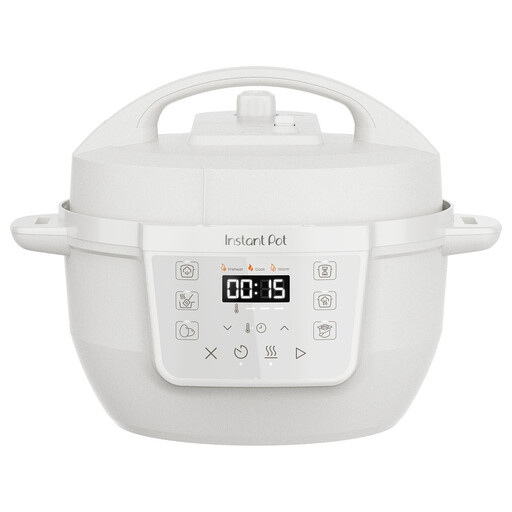
This is a 5.7L choice to consider if you want to pressure-cook stock and also use slow-cook or sauté modes.
Check the Pro model's own liquid requirement and pressure-fill limit. The fill guidance for a different Instant Pot model should not be assumed to apply to it.
 No image available
Consider this smaller stated capacity if you usually make modest batches and want pressure cooking alongside slow-cook and sauté options.
Check that bones, vegetables and the required liquid will fit below this model's pressure-fill marking; 3.8L is its stated capacity, not a stock-fill allowance.
 No image available
The stated 6L capacity may suit a larger planned batch if its pressure-fill instructions allow enough room for your ingredients.
The product name lists 10 programmes, a stainless-steel pot, pressure cooking and slow cooking. Confirm the exact model code against the appliance manual before relying on its specifications or pressure-release instructions.
 No image available
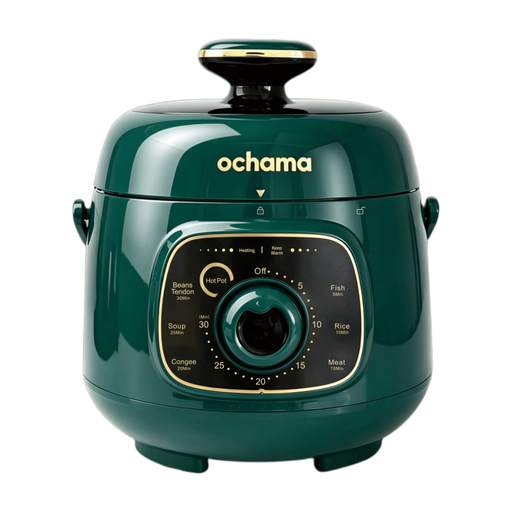
Consider this compact pressure cooker for a small stock batch, provided the ingredients and required liquid fit within its permitted fill level.
Its stated capacity is 1.8L. Check its manual for the minimum liquid and pressure-fill instructions, and check its functions separately if slow cooking or sautéing matters to you.
Choose pressure cooking when a shorter cooking route is your priority, or slow cooking when you prefer a longer simmer. For pressure cooking, follow your exact model's liquid, fill and pressure-release instructions.
Do not treat the stated capacity as permission to fill the cooker to that level under pressure. Follow the marking and manual for your model: Instant Pot's 5.7L guidance, for example, requires contents below the PC Max 2/3 line.
Divide the cooked stock into smaller portions so it can cool and be refrigerated promptly. GOV.UK guidance applying to England, Northern Ireland and Wales advises refrigerating cooked food within one to two hours and eating leftovers within 48 hours or freezing them.
Check your cooker's instructions and take care with the hot liquid and inner pot. Instant Pot warns that its removable inner pot can be extremely hot and heavy when full and instructs users to wear oven mitts when handling it.