Short-stay stock makers
If you want stock during a weekend or week-long stay, a pressure-cook function and instructions you can follow in an unfamiliar kitchen may matter more than extra cooking modes.


For stock during a short cottage stay, start with a pressure-capable multicooker and choose the bowl size around the batch you intend to make, allowing for the model’s pressure-fill limit. A 5.7–6L model is worth considering for a modest batch; compare 7.1–8L models if you need room for larger chicken pieces or stock for several meals. Check that the cottage has a suitable worktop and that you can handle the steam release, hot pot and clean-up.
If you want stock during a weekend or week-long stay, a pressure-cook function and instructions you can follow in an unfamiliar kitchen may matter more than extra cooking modes.
If the stock will serve several meals or a larger group, compare the space available below the pressure-fill mark with the chicken pieces, vegetables and water you plan to use. Think about where you will set down the hot inner pot, too.
If you plan to sauté ingredients and make stock in one appliance, check the exact model’s controls and cleaning instructions before travelling. Removable parts may make clearing up easier where the cottage has suitable washing facilities.
Size the intended stock batch against the marked pressure-fill limit, then decide how much you value pressure cooking during a short stay and how easily the appliance will fit into the cottage kitchen.
| Concern | What to check | Who this matters to |
|---|---|---|
| Stock during a short stay | Confirm that the exact model has pressure cooking, the required lid and clear filling and steam-release instructions. | If I want stock for a meal before the stay is over, I need a cooking method I can plan around and operate safely; around 42% of consumers put that short-stay need first. |
| Batch size | Compare bowl size and the marked pressure-fill limit with your planned ingredients; allow space for larger chicken pieces if needed. | When I am cooking for a full cottage or several meals, a bowl that fits the whole batch matters more than its headline litre figure; about 33% of consumers make batch capacity their primary concern. |
| Setup and clean-up | Check the manual’s worktop and release requirements, plus the cleaning instructions for the exact bowl and lid parts. | In an unfamiliar kitchen, I want a safe place to cook and a clean-up routine I can manage before leaving; roughly 25% of consumers prioritise straightforward setup and cleaning. |
The litre figure is not the amount you can pressure-cook. Instant Pot’s Duo instructions specify a PC MAX 2/3 fill line; overfilling can interfere with steam release.
Allow for the bones, vegetables and water together, then check the pressure-fill marking and instructions on the model you intend to use.
Instant Pot’s Duo instructions call for a stable, level, non-combustible surface. A cramped position near water, heat or obstructed vents can make appliance use unsafe.
Check the cottage kitchen before cooking, and follow your model’s placement and ventilation instructions. Do not operate an electric multicooker on a hob.
A pot containing hot stock and ingredients can be heavy and awkward to move, particularly in a compact kitchen.
Choose the appliance position before starting, follow its steam-release instructions and use suitable protection when handling hot components.
Air-frying, grilling or guided recipes may be useful for other cottage meals, but they do not replace a check of pressure capacity and safe stock-making instructions.
Decide whether the group will use those modes during the stay before making them a reason to choose a more feature-rich model.
Its UK pressure-multicooker range includes 5.7L, 7.1L and 8L options relevant to different stock-batch sizes.
Its UK range includes 6L pressure multicookers with different approaches to programmes and controls.
Its Foodi multicookers are relevant if the cottage group plans other meals as well as stock.
These multicookers cover smaller stock batches, 5.7L options and a larger 7.1L option. Match the bowl size to your ingredients and the model’s pressure-fill limit rather than assuming the full stated capacity is available for stock.
 No image available
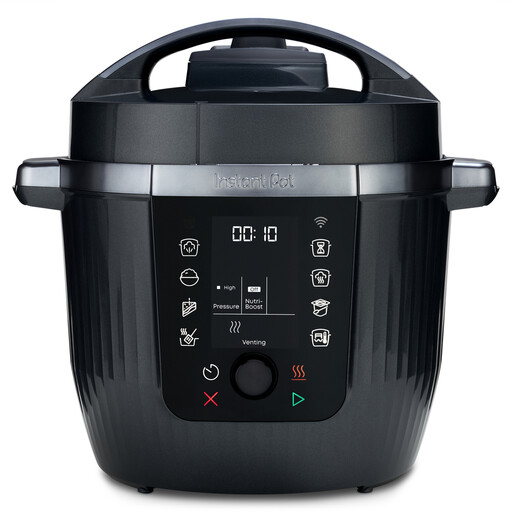
Consider this for a modest cottage stock batch if its pressure-fill marking accommodates your ingredients.
The product name specifies a 5.7L bowl, sautéing, slow cooking and a ceramic non-stick coating. Check the model instructions for the permitted pressure fill and cleaning method.
 No image available
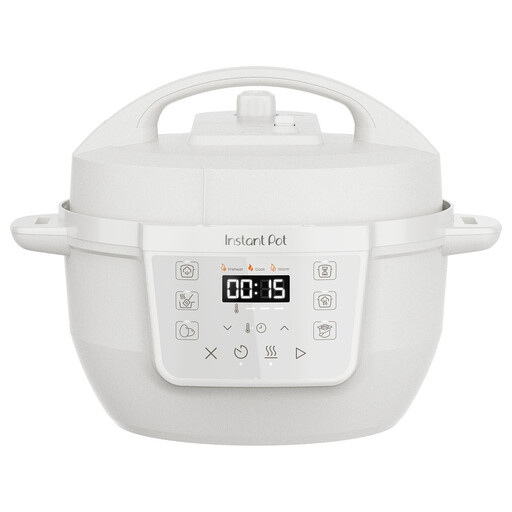
This 5.7L option is worth comparing for a regular cottage stock batch and other meals during the stay.
Check the Pro model’s pressure-fill marking and its instructions for cleaning the bowl and lid parts before choosing it.
 No image available
Consider the smaller 3.8L bowl only if your planned chicken, vegetables and water fit within this model’s pressure-fill limit.
Check its cleaning instructions as well as the usable fill level, particularly if you intend to make stock for more than one meal.
 No image available
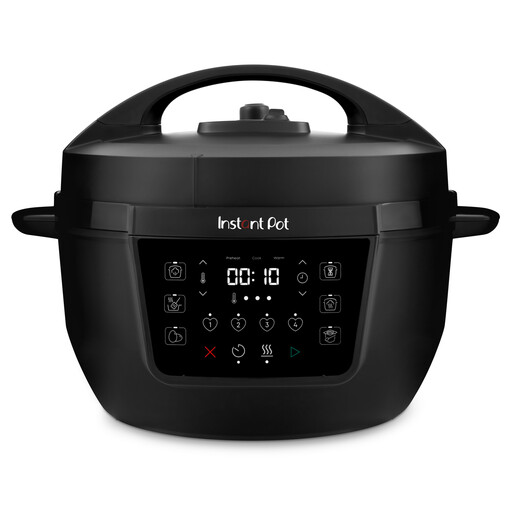
Compare this larger bowl if you plan stock for a group or several meals, while allowing for the pressure-fill limit and a heavier hot pot.
The stated capacity is 7.1L. Check the appliance dimensions against the cottage worktop and storage space, along with the model’s cleaning instructions.
Start by comparing 5.7–6L models for a modest batch, and consider 7.1–8L if you need room for larger chicken pieces or stock for several meals. The marked pressure-fill limit matters more than the headline capacity: Instant Pot’s Duo instructions, for example, specify a PC MAX 2/3 line.
Do not use it on a hob or in a position exposed to water. Instant Pot’s Duo instructions specify a stable, level, non-combustible surface and warn against placement near water or heat and against blocking the vents. Follow the placement instructions for the appliance you use.
Inspect the plug, cable and appliance before use, and leave it unused if you see damage or signs of overheating. The Health and Safety Executive advises removing electrical equipment from use when, for example, a connector is damaged or a cable is insecure, taped or has exposed wires; report a problem with a cottage appliance to the host rather than attempting a repair.
Follow the exact model’s instructions for its bowl, lid and removable parts. Tefal describes parts of its All-in-One CY505 as dishwasher-safe, but its cleaning guidance for some cooking bowls recommends hot soapy water instead; do not assume that every component can go in a dishwasher.