One-pot minestrone cooks
If you want to soften vegetables, cook the broth and warm canned beans without transferring ingredients between pans, look for sautéing and a suitable soup-cooking mode on the same appliance.


For minestrone with canned beans, choose a multicooker that lets you sauté the vegetables and cook the soup in the same pot. Pressure cooking is worth considering if you also want it for other meals; it is not necessary just because the minestrone contains beans. Match the pot to the portions you usually make, and check the exact model’s cooking and cleaning instructions.
If you want to soften vegetables, cook the broth and warm canned beans without transferring ingredients between pans, look for sautéing and a suitable soup-cooking mode on the same appliance.
If you make several portions for a family meal or planned leftovers, consider both the stated capacity and how comfortably you can stir the vegetable base.
If you intend to use a sealed pressure lid, on-screen guidance may appeal, but you will still need to follow the exact model’s setup and operating instructions.
Choose it when: You mainly want to soften vegetables and cook canned-bean soup without using pressure.
Bear in mind: This route does not provide a pressure-cooking option for other meals.
Choose it when: Minestrone is one of several dishes for which you want both sautéing and pressure cooking.
Bear in mind: Pressure mode adds model-specific liquid, fill-line and steam-release instructions that a conventional simmer does not require.
Choose it when: You want on-screen steps as you learn to use pressure modes; Tefal describes these features on its Cook4me+.
Bear in mind: Built-in guidance does not replace checking whether a recipe suits your ingredients and soup quantity.
| Concern | What to check | Who this matters to |
|---|---|---|
| One-pot soup cooking | Check for sauté or browning plus a simmer or slow-cook mode suitable for soup. | If I want to soften vegetables and finish the soup in one vessel, transferring ingredients adds washing-up; around 42% of consumers put one-pot cooking first. |
| Batch capacity | Compare stated capacity with your usual portion count, and check the pot’s stirring space and external dimensions. | When I cook several portions for later, I need room to stir without choosing an awkwardly large appliance; roughly 25% of consumers prioritise batch capacity. |
| Pressure flexibility | Confirm the exact model’s cooking modes, then read its pressure-liquid, fill-line and release instructions. | If I also plan to pressure-cook other meals, that extra mode matters more than it does for the canned beans alone; around 25% of consumers make broader pressure use their primary concern. |
| Guided operation | Look for the guidance and manual cooking modes you want, and read the first-use instructions. | Using a sealed lid for the first time makes clear prompts important to me; about 8% of consumers place guided operation first. |
Canned beans are already cooked. For this minestrone, sautéing the vegetables and cooking the broth may matter more than a pressure programme.
Choose a pressure model if you expect to use that mode for other meals; otherwise, focus on the pot, cooking modes and cleaning.
Instant Pot’s pressure-cooking speed claim compares pressure cooking with traditional methods; it is not a cooking time for canned-bean minestrone.
Follow a recipe suited to your ingredients and chosen mode rather than assuming the soup will achieve a headline speed claim.
Pressure cooking has liquid and maximum-fill requirements. Instant Pot’s UK Classic Mini guidance says to add liquid when pressure cooking; instructions for other models must be checked separately.
Read your appliance’s manual before first use and follow its directions for the lid, fill line and pressure release.
The Food Standards Agency says how long canned food remains acceptable depends on the product, brand and storage conditions.
Check the bean label’s instructions for storage after opening rather than relying on a single number of days.
Instant Pot UK offers both a sauté-and-slow-cook model and pressure multicookers, so the relevant functions depend on the model you choose.
Tefal’s Cook4me+ is a guided pressure multicooker for cooks who want on-screen support alongside manual cooking modes.
Ninja’s Foodi PossibleCooker MC1001UK is a non-pressure route to consider if you want a larger pot for one-pot soup cooking.
These multicookers offer choices for sautéing the vegetable base and cooking canned-bean minestrone in one appliance. Choose between their stated capacities and cooking routes according to your usual portions and whether you also want pressure cooking for other meals.
 No image available
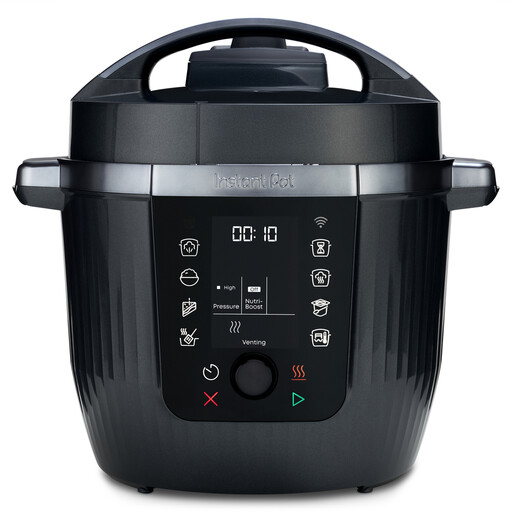
Consider this if you want to sauté vegetables and use the same appliance for slow-cooked soup and other pressure-cooked dishes.
The stated capacity is 5.7L, and the product name specifies a ceramic non-stick coating and recipe book.
Before using pressure mode, check the exact model’s liquid and pressure-release instructions.
 No image available
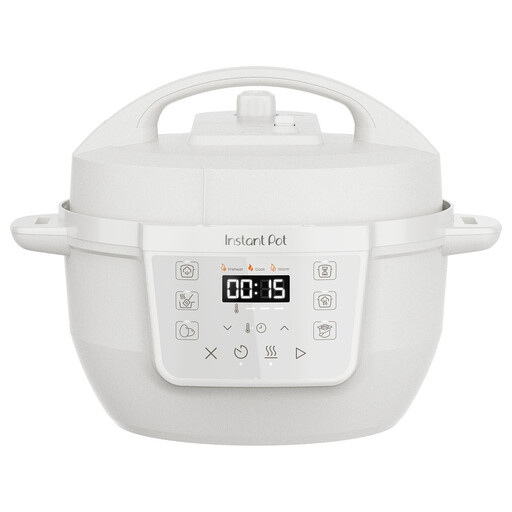
This is a choice for cooks who want a one-pot soup route alongside pressure cooking for other meals.
The stated capacity is 5.7L, with a 10-in-1 configuration.
Check the exact manual for pressure-liquid and release instructions, and confirm the appliance fits your worktop and storage space.
 No image available
Consider this smaller-capacity option if you usually make fewer portions but also want the flexibility of a pressure multicooker.
The stated capacity is 3.8L, with a 7-in-1 configuration.
Confirm that the usable soup quantity suits your portions, and check the model’s dimensions and pressure instructions.
 No image available
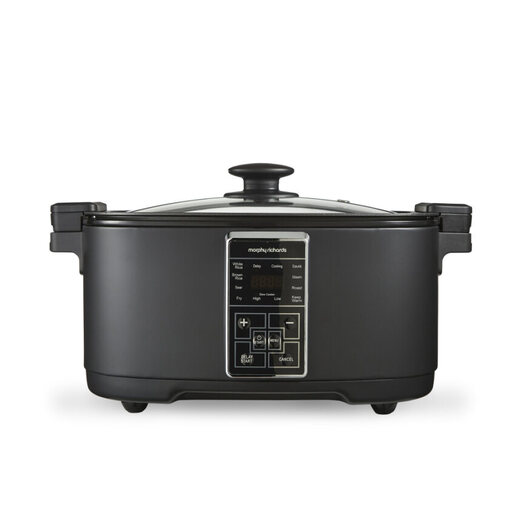
Consider this for a larger batch when your main method is to sear or sauté the vegetables before slow-cooking the soup.
The stated capacity is 6.5L; the product name specifies a dishwasher-safe pot and accessories.
If you also intend to pressure-cook other meals, check the exact model’s functions before choosing it.
No. Canned beans are already cooked, so pressure cooking is not a requirement for minestrone made with them. A cooker that can sauté vegetables and then cook the soup is the more direct choice; consider pressure mode if you also want it for other dishes.
Start with the number of portions you normally make, then check the exact model’s capacity and your available kitchen space. Tefal UK states that its 6L Cook4me+ serves up to six portions, but serving guidance is model-specific rather than a fixed litres-to-portions rule.
Follow the manual for your exact appliance, particularly its liquid requirement, maximum-fill line, lid instructions and pressure-release method. Instant Pot UK’s Classic Mini guidance says to add liquid for pressure cooking; do not assume another model uses identical quantities or instructions.
Follow the bean label’s storage and open-life instructions after opening. The Food Standards Agency says storage conditions, product and brand affect how long canned food remains acceptable; check the applicable storage guidance for your prepared soup rather than assuming the bean-can instructions cover the finished dish.