Short-stay soup cooks
If minestrone is the main plan, sautéing vegetables and cooking the soup in one pot may matter more to you than a long list of programmes.


For canned-bean minestrone in a holiday cottage, prioritise a sauté function, a pot that is practical to clean and enough capacity for the people eating. Pressure cooking is optional for this soup; it matters more if you also want to make other pressure-cooked meals. Before bringing a cooker, check its dimensions and electrical requirements against the cottage kitchen and ask the host about appliance use.
If minestrone is the main plan, sautéing vegetables and cooking the soup in one pot may matter more to you than a long list of programmes.
You need to fit a shared meal in the pot without taking up more worktop space than the kitchen allows. Keep-warm may help when people eat at different times, subject to the appliance instructions.
You want to use the cooker for meals beyond minestrone, so its exact slow-cook, steam, rice or pressure-cook functions are worth comparing.
Start with the meal and the available worktop space, then decide whether the cooker needs to handle more than soup.
| Concern | What to check | Who this matters to |
|---|---|---|
| One-pot cooking and cleaning | Look for Sauté or Sear, a removable pot and cleaning instructions for the pot and lid. | I want to soften vegetables and finish the soup without using another pan or leaving a pile of washing-up; around 31% of consumers would put one-pot convenience first. |
| Group capacity | Compare stated working capacity or portion guidance with your recipe quantity, not just the headline litres. | When several people are sharing dinner, I need enough soup in one batch without choosing an oversized cooker; roughly 31% of consumers would make group capacity their main concern. |
| Other meals | Check the exact cooking functions and decide whether pressure cooking earns its extra lid and steam-release steps. | I would use the appliance for more than canned-bean minestrone, so its other cooking modes matter to me; about 23% of consumers would prioritise that flexibility. |
| Cottage fit and set-up | Check dimensions, electrical requirements and the host’s appliance instructions before bringing it. | With limited counter space or an unfamiliar kitchen, I want a cooker I can place and use appropriately; around 15% of consumers would put straightforward set-up first. |
Instant Pot UK lists pressure cooking for the Duo 5.7L, but not for the Superior Slow Cooker. The category name alone cannot tell you which function you are getting.
Check the exact model’s programmes. For canned-bean minestrone, decide whether sautéing and a non-pressure cooking mode cover your plans before paying attention to pressure capability.
Lakeland describes its digital multicooker as having a 6L pot with a 5.5L working capacity. Vessel size and the amount you can cook are not necessarily the same figure.
Compare working capacity or portion guidance with your planned servings, and check the cooker’s dimensions against the cottage worktop.
A bigger batch creates food that needs appropriate cooling and storage; cooker capacity does not solve a shortage of fridge space.
Check the cottage’s storage facilities before deciding how much soup to make, and follow food-safety guidance appropriate to the meal and diners.
Its cited models illustrate two different routes: a 5.7L pressure multicooker and a larger sauté-and-slow-cook appliance.
Its cited 5.5L working-capacity model illustrates a non-pressure route with sautéing, simmering and adjustable cooking controls.
Its MY-CS6062WP illustrates a 6L pressure-multicooker option with cooking modes beyond soup.
These pressure-capable multicookers offer different stated capacities for cottage soup-making and meals beyond minestrone. Choose against your group size and kitchen space; their presence here does not make pressure cooking necessary for canned beans.
 No image available
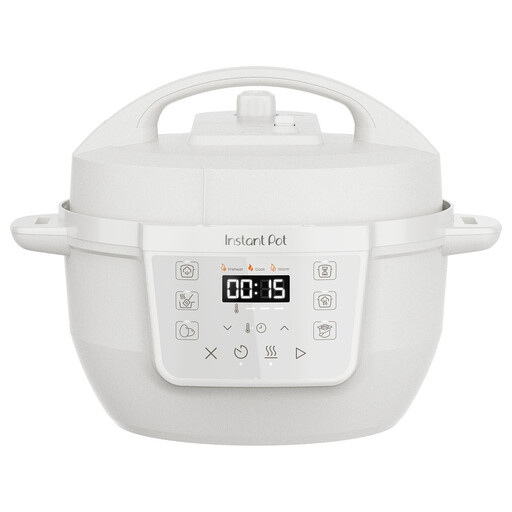
Consider this 5.7L model if you want one cooker for soup and other cooking styles. Its stated features include sautéing, slow cooking and a ceramic non-stick coating; check its dimensions and electrical requirements for the cottage.
 No image available
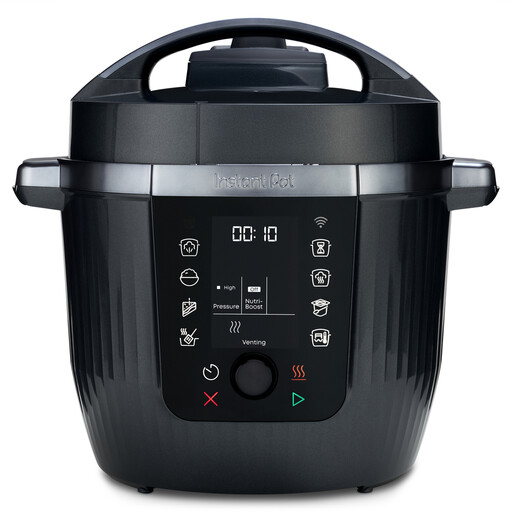
The 3.8L capacity is worth considering for a smaller party; check that your soup recipe fits with appropriate headroom before choosing it for a group. Confirm its dimensions and electrical requirements for the cottage.
 No image available
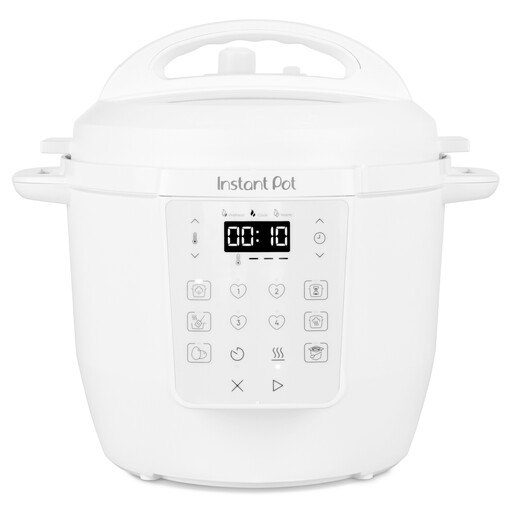
This 5.7L model is a choice to examine if you want cooking options beyond soup. Check the exact programmes, pot-cleaning instructions, dimensions and electrical requirements before deciding whether it suits the stay.
 No image available
Consider the 5.7L capacity for a shared soup meal if the recipe quantity fits. Compare its seven-function configuration with the meals you actually plan to cook, and confirm cleaning, dimensions and electrical requirements.
No: pressure cooking is optional for this soup-focused purchase. Prioritise a sauté function and suitable capacity, then choose a pressure-capable model if you also plan to use that function for other meals. Instant Pot UK lists pressure cooking for the Duo 5.7L but not for the Superior Slow Cooker.
Choose by your recipe quantity, the number eating and the maker’s working-capacity or portion guidance. Lakeland states a 5.5L working capacity for four to five people on its cited model, while Instant Pot UK describes the Duo 5.7L as serving up to six; also check that the appliance fits the cottage worktop.
A listed keep-warm function may help with serving at different times, provided you follow that appliance’s instructions. It is not a substitute for cooling and refrigerating leftovers; Instant Pot UK lists Keep Warm on the Superior Slow Cooker, so check the exact model you intend to use.
Check that the cottage has enough refrigerated storage before making extra portions, then cool and store leftovers appropriately. NHS batch-cooking advice for baby food emphasises prompt cooling and refrigeration or freezing, but follow food-safety guidance appropriate to your soup and its diners.