Time-short stew cooks
If an all-day slow cook does not fit your plans, compare models that explicitly offer both pressure cooking and browning or sautéing.


Choose a pressure-capable multicooker with a browning or sauté function if you want a shorter, one-pot route to oxtail stew. Choose a slow-cook-led model if starting earlier and cooking over a longer period suits your routine better. Whichever route you take, compare the bowl with your intended batch and follow the exact model’s instructions for filling and, where applicable, pressure release.
If an all-day slow cook does not fit your plans, compare models that explicitly offer both pressure cooking and browning or sautéing.
If you make several servings or want leftovers, compare bowl capacity with the space your oxtail, vegetables and liquid need, then check the model’s fill limits.
If you would rather follow prompts or programmes than set every step manually, look at the controls as well as the cooking functions. Guidance does not replace the recipe or appliance instructions.
Choose it when: You want to brown ingredients and then take a pressure-cooking route in the same appliance.
Bear in mind: Sealing, liquid, fill levels and steam release must follow the exact model’s instructions; manufacturer speed claims are not oxtail recipe times.
Choose it when: You can start the stew earlier and prefer a longer cooking schedule to a pressure-cooking route.
Bear in mind: A slow-cook-led model should not be assumed to offer pressure cooking just because it is called a multicooker.
| Concern | What to check | Who this matters to |
|---|---|---|
| Shorter cooking route | Check for both pressure cooking and browning or sautéing, then read the model’s pressure-release instructions. | If I cannot plan an all-day stew, I want a pressure route without transferring browned ingredients between pans. Around 50% of consumers put that shorter, one-pot route first. |
| Batch capacity | Compare stated bowl capacity with your usual batch, and check the maximum-fill guidance for pressure cooking. | When I cook for several people or want leftovers, I need room for the bones, vegetables and liquid, not just a headline litre figure. For around 30% of consumers, batch size is the primary concern. |
| Controls and routine | Look at prompts, manual controls and cleaning arrangements; use scheduling and keep-warm functions only as instructed. | If unfamiliar controls would make stew night harder, I would prioritise a workflow I can follow and clean up afterwards. Ease of operation comes first for around 20% of consumers. |
Some slow-cook-led models offer several cooking functions but no pressure-cook programme. They will not provide the pressure route if that is why you are buying.
Check the exact model’s function list for pressure cooking rather than relying on the category name.
Manufacturers’ faster-cooking claims compare particular methods; they do not specify the time for your cut, batch and recipe.
Choose an appropriate recipe and follow the appliance instructions for liquid, timing and pressure release.
Nominal capacity does not tell you how much stew you can pressure-cook once the bones, vegetables and liquid are added.
Check the model’s maximum-fill markings against the batch you normally make.
Keep-warm does not establish that meat stew has been thoroughly cooked or reheated. GOV.UK food-safety guidance advises thorough cooking and checking that food is steaming hot.
Cook and reheat the stew according to your recipe and relevant safety guidance; use keep-warm only as the appliance instructs after cooking.
Its Duo pressure multicookers offer a route that combines pressure cooking, slow cooking and sautéing.
Its range includes pressure models with programmes or screen guidance, alongside a slow-cook-led multicooker.
Its models let you compare pressure-capable cooking with a non-pressure, slow-cook-led approach.
These products cover pressure-capable options for a shorter stew route and a slow cooker for a longer schedule. Compare the stated bowl sizes with your usual batch; the slow cooker is not a substitute for a pressure-cooking programme.
 Image unavailable
Consider this for a pressure-cooking route when you also want to sauté ingredients for stew. Its stated capacity is 5.7L, and the title specifies a ceramic non-stick coating and a recipe book. Check the model’s liquid and maximum-fill instructions before deciding on a batch size.
 Image unavailable
This 6L model is a pressure-cooking option to assess if you make larger stew batches. Its title lists 10 programmes, a stainless-steel pot, and pressure- and slow-cooking functions. Check the manual’s pressure-release method and maximum-fill guidance for your recipe.
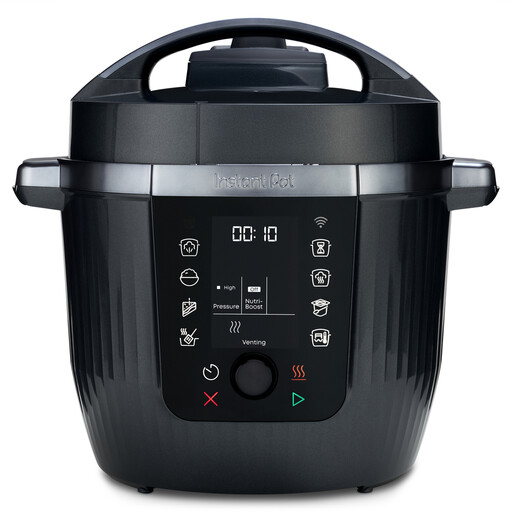 Image unavailable
Consider this 5.7L model if pressure cooking and a one-pot browning step fit your stew routine. The selected variant is described as a 10-in-1 multicooker. Use its exact manual to check fill limits and pressure release rather than applying instructions from another Instant Pot model.
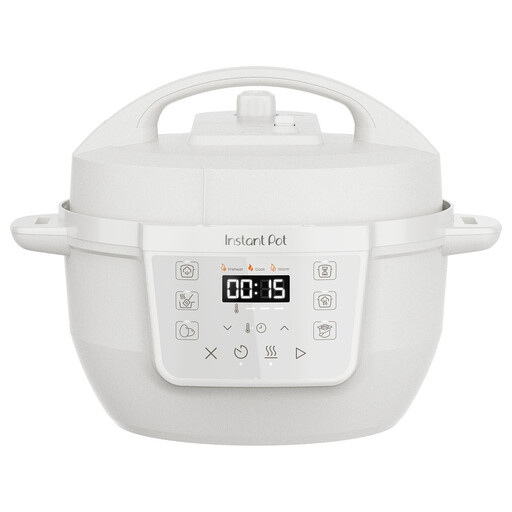 Image unavailable
This 3.8L option may fit a smaller intended stew batch while retaining a pressure-cooking route. Before choosing it over a larger bowl, check how much oxtail and liquid you can use within its maximum-fill guidance, and follow its own pressure-release instructions.
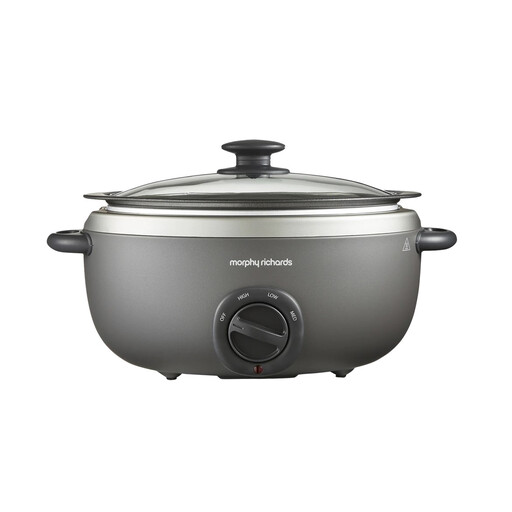 Image unavailable
Choose this oval 6.5L slow cooker if a longer stew schedule suits you better than pressure cooking. Its removable pot is described as suitable for searing on a gas or electric hob, but not an induction hob. It does not offer the pressure-cooking route.
Choose a pressure-capable model if a shorter cooking route matters most; choose a slow-cook-led model if you can start earlier and prefer that schedule. Check the exact functions before buying, as the word multicooker does not guarantee a pressure programme.
It may suit your batch, but the stated bowl capacity is not the usable maximum for every pressure-cooking recipe. Compare your usual amount of oxtail, vegetables and liquid with the selected model’s maximum-fill markings.
Follow the exact appliance manual for sealing, minimum liquid, fill limits and pressure release. Release controls differ between models: Tefal UK lists a separate release button for the All-in-One, while its Cook4me+ lists automatic pressure release.
Follow the recipe’s cooking instructions and check that the stew is thoroughly cooked and steaming hot. GOV.UK food-safety guidance gives temperature advice for food businesses; a clean-probe thermometer can help when your recipe calls for a temperature check. Keep-warm is not a substitute for cooking or reheating.