Solo grain-and-soup cooks
You mainly make a bowl of pearl barley, a side dish or a small soup. Pressure cooking and sautéing may be useful, while a family-size appliance could take up more space than you want to give it.


For pearl barley mainly cooked for one, start with a compact pressure multicooker if you also want to sauté ingredients for soups or one-pot meals. A larger bowl makes more sense if you regularly prepare leftovers, but capacity alone cannot tell you whether a single portion meets the cooker’s liquid and fill requirements: check the exact model’s instructions before buying.
You mainly make a bowl of pearl barley, a side dish or a small soup. Pressure cooking and sautéing may be useful, while a family-size appliance could take up more space than you want to give it.
You cook for one but make extra barley for later soups, salads or stews. Room for additional portions and ingredients matters more to you than choosing the smallest bowl.
You value straightforward controls or guided recipes and would use the cooker for more than one grain dish. Those features may be worth a larger appliance if you will use them regularly.
Decide whether the cooker will mainly make a small barley dish or also prepare larger meals; then check its instructions for the smallest quantity you intend to pressure-cook.
| Concern | What to check | Who this matters to |
|---|---|---|
| Small-batch fit | Check the exact model’s pressure-cooking liquid and fill instructions; bowl capacity is not a minimum portion size. | If I mostly want one bowl of barley, I need a cooker I can store easily and use for my intended quantity. Around 42% of consumers put that small-batch fit first. |
| Leftovers and one-pot meals | Compare bowl capacities and the functions you would use for soups, stews or additional portions. | When I cook barley for later meals, I want room for extra ingredients rather than the smallest appliance. For around 33% of consumers, that broader cooking use comes first. |
| Ease of operation | Look at the controls, pressure-release instructions and which removable parts can be cleaned as directed by the manufacturer. | I would use a multicooker more confidently if its controls and cleaning routine suited me. Straightforward operation is the primary concern for around 25% of consumers. |
Instant Pot UK describes its 3.8L Classic Mini as making up to four portions. That does not establish the smallest pearl-barley batch it can pressure-cook.
Check the exact model’s manual for liquid and fill guidance for the quantity you plan to make.
Tefal UK describes its 6L Cook4me+ as making up to six servings, while Crock-Pot UK positions its 5.6L Express for families and entertaining. That extra room is more relevant if you also cook larger meals.
Think about how often you will prepare leftovers, soups or stews before choosing a larger format.
Pearl barley absorbs liquid and can change the texture of soups and stews as it cooks.
Follow a tested recipe’s liquid guidance, or cook the barley separately if you want a less-thick broth.
The UK Food Standards Agency identifies barley as a gluten-containing ingredient and flags it as a risk for people with barley or gluten allergy or intolerance.
If you need to avoid barley or gluten, choose a suitable alternative grain rather than changing the appliance.
The Classic Mini is a compact pressure-multicooker option for cooks who want to make barley alongside simple one-pot dishes.
The 4.8L Turbo Cuisine and 6L Cook4me+ offer different ways to make broader use of a pressure multicooker.
The 5.6L Express is more relevant when barley goes into larger soups, stews or meals made ahead.
These choices include compact pressure cookers and larger multicookers for consumers who also make leftovers or one-pot meals. For every model, check the instructions and a tested recipe before relying on it for a single portion of pearl barley.
 No image available
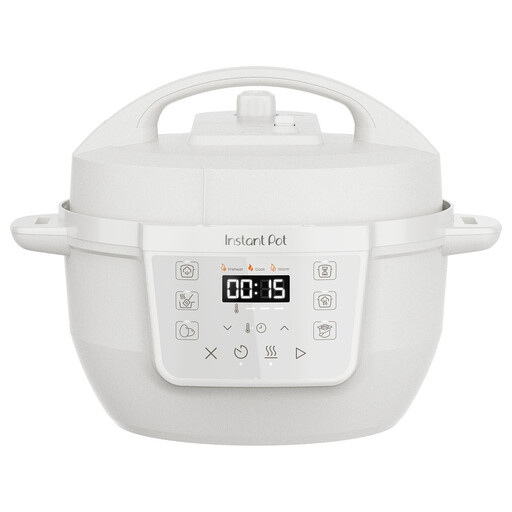
Consider this compact format if you want to pressure-cook barley and sauté ingredients for other dishes. The listed capacity is 3.8L; check the exact model’s liquid and fill instructions for your intended portion.
 No image available
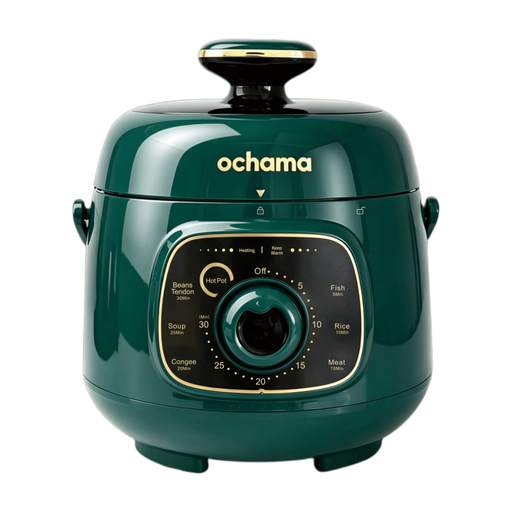
This 1.8L pressure cooker is a compact option to examine if you mainly cook grains for yourself. Check its manual for the liquid and fill requirements of a single barley portion, and check the available functions if you also want to sauté ingredients.
 No image available
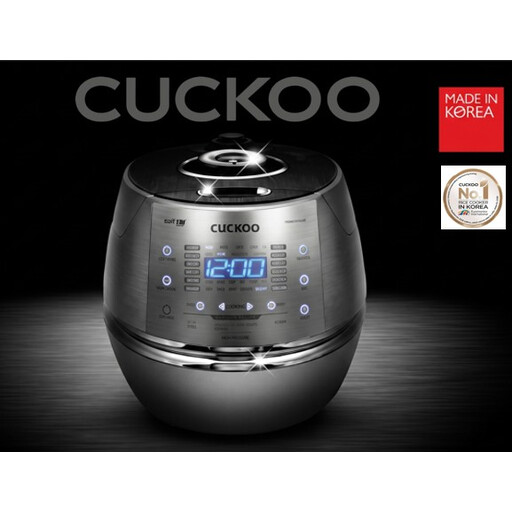
Consider this rice-focused cooker if grain cooking is your main use. Its listed capacity is 1.8 L, with pressure and non-pressure modes; consult the exact manual for pearl-barley instructions and your intended batch size.
 No image available
The 5.7L bowl is worth considering if you also prepare leftovers or larger one-pot meals. Pressure cooking and sautéing are listed functions; check the exact model’s liquid and fill instructions before making a small barley batch.
 No image available
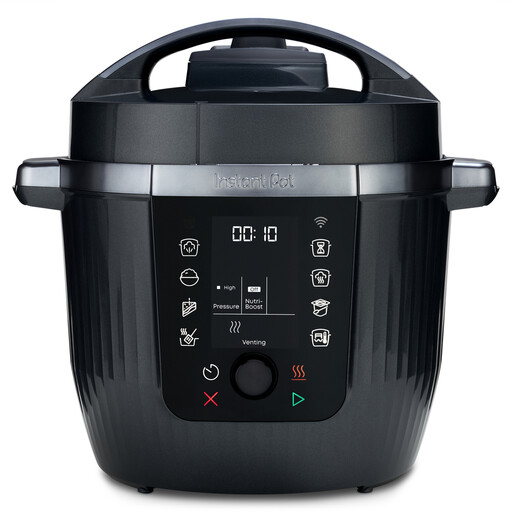
Consider this model if barley is one part of a routine that includes larger meals or food prepared ahead. It has a listed 5.7L capacity and pressure-cook, sauté, steam and rice-cooking functions; check its instructions for the smaller batch you intend to make.
Yes, pressure cooking is a way to cook pearl barley; Great British Chefs notes that it can accelerate cooking. Rinse the barley and follow a tested recipe and your cooker’s instructions for liquid, cooking time and pressure release rather than assuming a grain programme is suitable.
No: a 3.8L capacity describes bowl size, not the smallest batch suitable for pressure cooking. For the Instant Pot Classic Mini or any other model, check the manual’s liquid and fill instructions against the portion you intend to make.
Yes, pearl barley can thicken soup or stew as it absorbs liquid. If you want to limit that effect, cook it separately and add it to the finished dish.
No. The UK Food Standards Agency identifies barley as a gluten-containing ingredient; changing cookers does not change that. Choose a suitable alternative grain if you need to avoid barley or gluten.
Read the exact model’s instructions for placement, filling and pressure release before cooking. The Instant Pot UK Classic Mini manual, for example, specifies a stable, level, non-combustible surface; follow the instructions supplied for whichever cooker you choose.