Weekly quinoa-bowl batch cooks
If you prepare several portions at once, start with the batch size you need and plan how you will store the finished bowls. Instant Pot and Tefal both describe selected multicookers as suitable for batch cooking.


Choose capacity around the number of quinoa bowls you regularly prepare, rather than buying the largest pot by default. Manufacturer descriptions position 5.7–6L models for several servings and an 8L Instant Pot Duo for larger batches; then decide whether straightforward cooking controls, guided steps or extra functions for toppings will earn their place in your kitchen. Check the exact model’s quinoa method, fill guidance and dimensions before buying.
If you prepare several portions at once, start with the batch size you need and plan how you will store the finished bowls. Instant Pot and Tefal both describe selected multicookers as suitable for batch cooking.
You need room for several meals without overlooking the appliance’s worktop and storage footprint. The Instant Pot Duo 5.7L is smaller and lighter than the cited Duo 8L, so compare the dimensions of the exact model you are considering.
If you would rather follow prompts than set every cooking stage yourself, Tefal’s Cook4me range offers guided controls. Check the exact model’s quinoa instructions rather than assuming its recipes include a quinoa programme.
For batch-cooked quinoa bowls, decide how many portions you need and where the cooker will fit. Then check the quinoa method and whether you will regularly prepare other bowl components in the same appliance.
| Concern | What to check | Who this matters to |
|---|---|---|
| Batch size and kitchen fit | Compare capacity with your planned recipe, then check maximum fill guidance, dimensions and weight. | I want several bowls from one cooking session, but the cooker still has to fit my worktop and cupboard. Around 40% of consumers put batch size and kitchen fit first. |
| Repeatable quinoa cooking | Check the exact model’s pressure or rice controls and its instructions for liquid and pressure release. | If I make quinoa bases every week, I want a method I can repeat without watching the pot throughout. For around 30% of consumers, a low-supervision quinoa routine is the primary concern. |
| Cooking bowl components | Identify the sauté, steam, air-fry or grill functions you would actually use; check any required accessories. | I want to prepare vegetables or toppings as well as grains, rather than keep an extra function idle. Broader bowl preparation comes first for around 30% of consumers. |
Pot capacity does not tell you how much space the whole cooker occupies. The cited Instant Pot Duo 8L is larger and heavier than the cited 5.7L Duo.
Measure your storage and worktop space, including room to operate the lid, and compare the exact model’s dimensions and weight.
A quinoa recipe for one appliance family does not establish a preset or procedure for every model. Liquid guidance and pressure-release steps can also matter to the method you follow.
Check the exact model manual for suitable controls and follow quinoa instructions that apply to your appliance.
Air-frying and grilling can be relevant to toppings, but they are not requirements for cooking the quinoa base. Additional cooking modes may also mean more parts to handle and clean.
List the bowl components you make regularly before deciding whether those functions are worth prioritising.
Keep-warm is a cooking feature, not a substitute for cooling and storing portions that will be eaten later. NHS advice for food prepared for babies and young children calls for prompt cooling before refrigeration or freezing.
Portion the food into suitable containers and follow storage guidance for each ingredient rather than leaving completed bowls in the cooker for long-term storage.
The cited Duo 5.7L and 8L models offer two capacity choices for batch cooking; the brand also has a 5.7L Pro model.
The cited 6L Cook4me models are relevant if guided cooking matters alongside capacity for several servings.
The cited Foodi MAX 15-in-1 SmartLid is relevant when you intend to cook toppings as well as the grain base.
These choices include multicookers for different batch sizes and a grain-focused rice steamer. Match the capacity and cooking controls to your planned quinoa bowls; the rice steamer is a different route if preparing other bowl components in the same appliance matters to you.
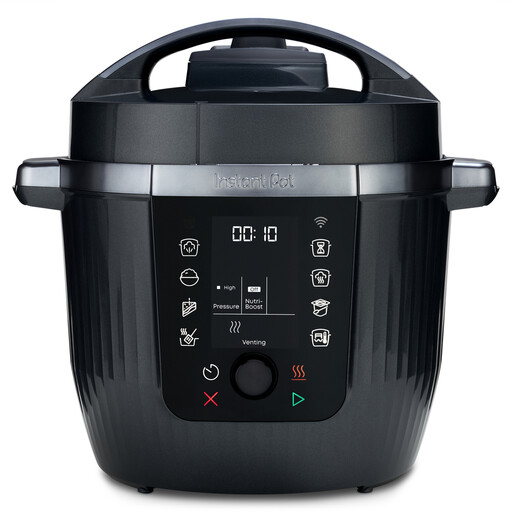 No image available
Consider this 5.7L model for several meal-prep portions if its usable capacity fits your recipe.
It is identified as a 10-in-1 multicooker. Check the exact manual for a suitable quinoa method, maximum fill guidance and the space it needs in your kitchen.
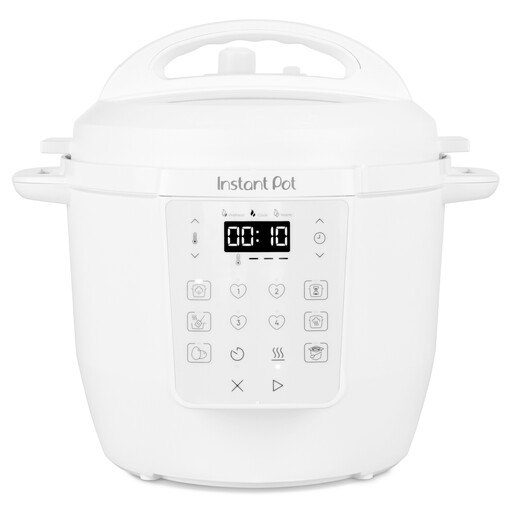 No image available
This 5.7L option is worth considering for routine meal prep when your planned batch fits within the model’s fill guidance.
The title identifies seven cooking functions. Check the exact manual for quinoa instructions and do not treat the stated pot capacity as a finished-bowl yield.
 No image available
Consider the 6L capacity if you plan several portions and want to cook other bowl components in the same appliance.
The product title lists 10 programmes and pressure, slow, rice and steam cooking. It names MC6SBUK, while the detailed description names HMC6SBUK: confirm which model you would receive before using a manual to check quinoa instructions and fill limits.
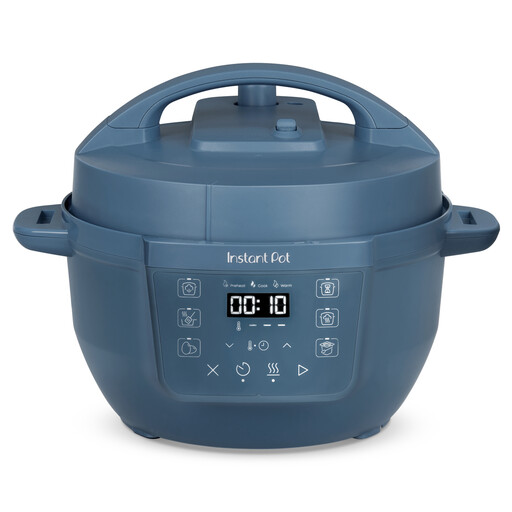 No image available
Consider this 3.8L model for smaller meal-prep batches, provided your intended recipe fits its usable capacity.
The title identifies seven cooking functions. Check maximum fill guidance, finished recipe yield and the exact model’s quinoa method before relying on it for a weekly batch.
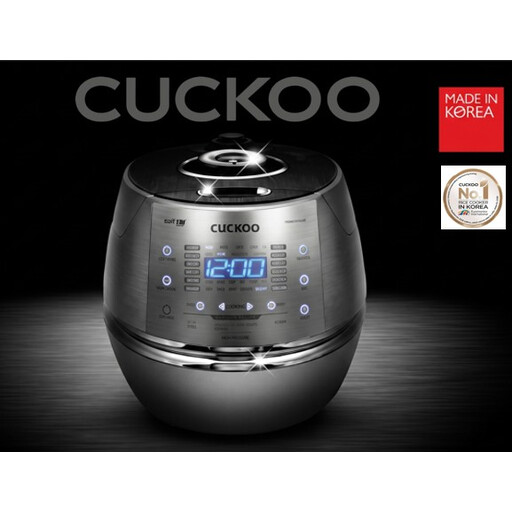 No image available
This grain-focused option is worth considering if preparing the bowl base matters more than cooking several different components in one multicooker.
The title specifies 1.8L, 10-cup capacity, induction heating and programmable controls; the cup figure is not a finished quinoa-bowl yield. Check the model manual for quinoa suitability and liquid guidance.
Start with the number of portions you regularly make, then check the appliance’s dimensions and usable fill guidance. Instant Pot describes its Duo 5.7L as a six-portion model and its Duo 8L as an eight-portion model; Tefal describes the 6L Cook4me+ as suitable for up to six servings or batch cooking. Those serving descriptions do not guarantee the yield of your particular quinoa-bowl recipe.
A dedicated preset is not the only route: Instant Pot UK also publishes a pressure-cooking method for quinoa, using a 1:1.25 quinoa-to-water ratio, one minute at high pressure and a 10-minute natural release. Check the instructions for your exact appliance before following that method; a brand recipe does not establish the same procedure for every model.
Portion and store bowls according to the requirements of every ingredient, rather than relying on the cooker’s keep-warm function for later meals. For food prepared for babies or young children, NHS guidance says to cool batch-cooked food ideally within one to two hours, then refrigerate or freeze it; its further storage and reheating instructions apply to that same context.
Yes, if you expect to cook and clean up repeatedly, but check which parts of the exact model can go in the dishwasher. The cited Instant Pot Duo lists a dishwasher-safe pot and lid, while the cited Tefal Cook4me+ lists a dishwasher-safe bowl and steaming basket; neither description means the entire appliance is dishwasher safe.