Small-batch pudding makers
If you usually make a smaller sponge or syrup pudding, a compact cooker may be easier to accommodate. Check that the basin you intend to use fits inside it, rather than choosing by portions or capacity alone.


For regular steamed puddings in a small kitchen, start with a pressure-capable multicooker if shorter pressure-cooker recipes matter to you; choose a steam-capable non-pressure model if conventional steaming suits you. A 3.8L model is worth considering for smaller batches, while 5L–5.7L models offer other cooking options but need their own space checks. In every case, measure your covered pudding basin and confirm that it fits on a suitable rack with the lid closed: litre capacity alone cannot establish that.
If you usually make a smaller sponge or syrup pudding, a compact cooker may be easier to accommodate. Check that the basin you intend to use fits inside it, rather than choosing by portions or capacity alone.
If you want a traditional covered-basin pudding without a long conventional steaming stage, a pressure-capable cooker is relevant. Prestige and Lavender and Lovage publish shorter pressure-cooker methods, each with its own preparation and timing.
If cupboard space is scarce, consider whether you will also use the appliance for rice, slow-cooked dishes or everyday steaming. The programmes available differ between the Instant Pot and Tefal models described below.
Choose a cooking method you will use, then check both the appliance’s footprint and the space available inside it for your prepared pudding basin.
Choose it when: smaller puddings and limited worktop space are the priorities. Instant Pot lists pressure cooking and steaming for its Classic Mini 3.8L.
Trade-off: a smaller cooker gives you less room to accommodate a covered basin and rack; confirm the internal fit before buying.
Choose it when: conventional steaming and other everyday programmes matter more than pressure-cooker timing. Tefal lists a steam basket, rice and slow-cook programmes for the RK302E15.
Trade-off: use a recipe suited to non-pressure steaming rather than assuming a pressure-cooker recipe’s timing will apply.
Choose it when: pudding is one of several regular uses. Instant Pot lists pressure cook, steam, slow cook and bake functions for its Pro 5.7L.
Trade-off: extra capacity and programmes are only useful if the appliance also fits your worktop and storage space.
| Concern | What to check | Who this matters to |
|---|---|---|
| Kitchen and basin fit | Measure the worktop and storage space, then check the covered basin’s height and width on its rack against the cooker’s usable interior. | I need a cooker I can put away without giving up the pudding-basin size I use. Around 42% of consumers put this physical fit first. |
| Cooking method | Check for a pressure-cook setting if you intend to follow pressure-cooker recipes, and use the recipe’s specified preparation and release method. | When I make pudding regularly, I want the shorter cooking stage of a pressure-cooker recipe while keeping the steamed format. For around 33% of consumers, that is the primary need. |
| Everyday use | Compare the programmes you will use for meals and check which steaming accessories and washable parts come with the exact model. | A cooker taking up space in my kitchen needs to handle routine meals as well as dessert and be manageable to clean. This broader use comes first for around 25% of consumers. |
A 3.8L, 5L or 5.7L capacity does not tell you whether a basin wrapped with paper and foil will clear the lid when placed on a rack.
Measure the complete basin setup and ask for the exact model’s usable bowl dimensions and rack clearance before ordering.
The shorter methods published by Prestige and Lavender and Lovage are pressure-cooker recipes. A conventional steam programme is a different cooking method.
Match the recipe to the setting you will use, including its liquid, timing and pressure-release instructions where applicable.
Matching capacity or colour does not establish the full model identity or which accessories come in the box.
Compare the full model details with the manufacturer’s description, and confirm the supplied rack, electrical specification and warranty terms for the listing you choose.
Pressure cooking adds a lid-locking and release procedure to follow. Electrical Safety First advises looking for safety valves, locking lids and anti-blocking devices.
Read the exact appliance’s instructions before use, follow its release procedure and register it for safety updates.
Its Classic Mini 3.8L and Pro 5.7L provide two pressure-capable multicooker routes with steam functions.
The RK302E15 is a 5L non-pressure route for steaming alongside rice, slow cooking and dessert programmes.
Prestige provides a pressure-cooker steamed-pudding recipe that can help you assess whether that method appeals to you.
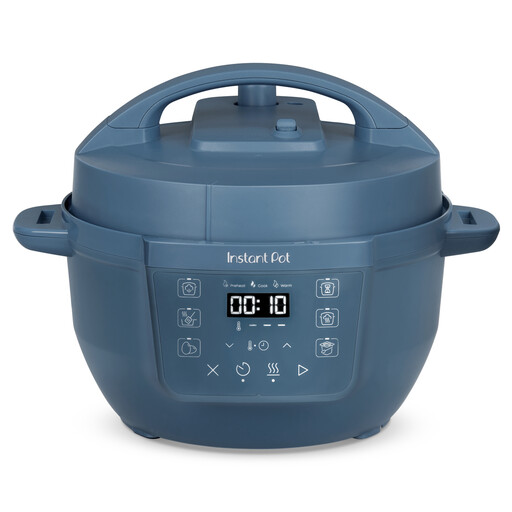
This 3.8L choice is relevant if you want a smaller-batch cooker with pressure-cook and steam functions. Check its dimensions, included accessories and basin clearance against your own setup before deciding.
 No image available
Consider this for smaller pudding batches if you want both pressure-cook and steam functions.
Before buying, confirm the cooker’s footprint and whether a suitable rack is included, then check that your covered basin will fit with the lid closed.
Yes, if the appliance supports the method in your recipe and the covered basin fits safely on a suitable rack. Prestige’s pressure-cooker recipe uses 10 minutes of pre-steaming followed by 35 minutes under pressure; follow your chosen recipe’s liquid, timing and release instructions rather than applying that timing to every pudding.
It may be large enough for a smaller basin, but the 3.8L rating cannot confirm the fit. Measure your basin after covering it, then check its clearance inside the exact cooker with the rack in place and the lid closed.
No; a steam-capable multicooker can suit a recipe written for conventional steaming. Choose pressure cooking if you specifically want to use a compatible pressure-cooker recipe, and do not transfer its shorter timing to a non-pressure steam setting.
Check the exact cooker’s lid-locking and pressure-release instructions before using it, and follow them each time. Electrical Safety First also advises looking for safety valves, locking lids and anti-blocking devices; registering the appliance can help you receive safety updates.