One-pot vegetable-couscous cooks
You want to cook vegetables and prepare couscous with less reliance on the hob, without needing the vegetables crisp every time.


For ordinary dried couscous, start with how you want to cook the vegetables: a multicooker with a suitable sauté function can handle a straightforward one-pot meal, while an air-fryer model is worth considering if browned vegetables are a regular priority. Panasonic Experience Fresh’s vegetable couscous recipe hydrates the couscous with hot stock and a covered rest, rather than pressure cooking it; choose pressure functions or guided controls for the other meals and cooking tasks you will actually use them for.
You want to cook vegetables and prepare couscous with less reliance on the hob, without needing the vegetables crisp every time.
You often want browned or roasted vegetables alongside soft couscous, making the available cooking modes and vegetable space important to your choice.
You would rather follow on-screen prompts than work out each programme and pressure-release step through basic controls alone.
Choose the vegetable texture you want regularly, then check how the exact model lets you heat stock and rest the couscous. A pressure programme is not required by the hot-stock method in Panasonic Experience Fresh’s vegetable couscous recipe.
Consider it when: You want a cooker for vegetable couscous and other meals that make use of its pressure, slow-cook or steam modes.
Trade-off: The Instant Pot Classic 5.7L offers sautéing and steaming, according to Instant Pot UK, but its stated functions do not include air frying for crisp vegetables.
Consider it when: Roasted or crisp-edged vegetables are a frequent part of the meal, not just an occasional preference.
Trade-off: Check the usable cooking area and the space the appliance takes up; pot volume alone does not tell you how many vegetables can cook with room for airflow.
Consider it when: On-screen recipes and prompts would help you use the cooker for a wider range of meals.
Trade-off: Tefal describes guided recipes on its Cook4me Touch, but those controls do not establish that a chosen couscous recipe suits its programmes.
| Concern | What to check | Who this matters to |
|---|---|---|
| Vegetables and couscous | Check for sautéing, a way to heat stock and a manufacturer-approved method for covered resting. | I want to cook the vegetables in the appliance without putting ordinary couscous through an unnecessary pressure programme; around 50% of consumers would put this straightforward preparation first. |
| Vegetable texture | Check the exact model’s air-fry or roast mode, supplied accessories and usable vegetable space. | If I regularly want browned vegetables beside the couscous, a deep pot’s litre capacity alone will not settle my choice; vegetable texture comes first for around 30% of consumers. |
| Controls and cleaning | Compare the controls, pressure-release instructions and care guidance for removable parts. | I would use the cooker more confidently with clear prompts and manageable clean-up; around 20% of consumers would make ease of operation their primary concern. |
Panasonic Experience Fresh’s vegetable couscous method adds hot stock and leaves the couscous covered for 10 minutes; it does not pressure cook the couscous.
Choose pressure capability for other meals you intend to make. For this dish, check how you will cook the vegetables and follow a suitable hot-stock and resting method.
A large pot does not, by itself, establish how much vegetable surface can be exposed to airflow at once.
If crisp vegetables matter, inspect the exact model’s basket or tray arrangement, supplied accessories and capacity instructions.
The Food Standards Agency advises putting cooked food in the fridge within one to two hours and eating leftovers within 48 hours or freezing them.
Divide leftovers into smaller portions to help them cool, refrigerate them promptly and follow that storage guidance.
Lids, filling limits and pressure-release procedures differ between multicookers. A preset name does not establish that another model’s couscous method will transfer unchanged.
Use the manual for the exact cooker, particularly for liquid amounts, filling limits, lid use and pressure release.
Its Classic 5.7L is an example of a conventional pressure multicooker for cooks who also want to sauté and steam.
The Foodi MAX 15-in-1 SmartLid 7.5L is an air-fryer multicooker option for cooks who often want browned vegetables.
The Cook4me Touch is a guided pressure-cooker option for cooks who prefer on-screen recipe steps.
These multicookers offer different pot sizes and cooking modes to consider for vegetable couscous and other one-pot meals. Before choosing one, check its exact instructions for cooking the vegetables, heating stock and resting couscous under a suitable cover; the models shown here are not a selection of air-fryer or guided-recipe routes.
 No image available
Consider this 5L model if you want a multicooker for vegetables and other one-pot dishes; its name lists steam, roast and slow-cook modes. Check the exact instructions for sautéing and for safely covering couscous while it rests.
 No image available
This 5.7L pressure multicooker lists sautéing and steaming for cooks who want to use it beyond couscous. Its product name also specifies a ceramic non-stick coating; check the manual’s liquid and fill instructions before using pressure programmes, and its guidance for covered resting.
 No image available
Consider the 6L capacity if you are planning a larger meal, while checking the model’s filling limits for your ingredients. Its name lists 10 programmes and pressure, slow-cook, rice-cook and steam functions; confirm the vegetable-cooking method, covered rest and cleaning instructions for this model.
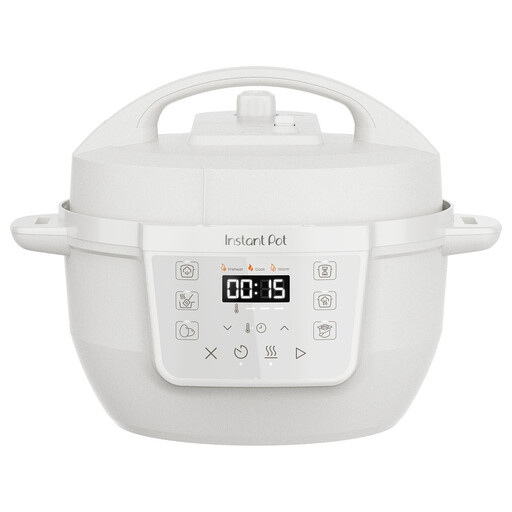 No image available
The 3.8L size is worth considering when you do not need a larger pot for your usual meal. Check this variant’s functions, filling guidance and approved method for heating stock and resting couscous before deciding whether it fits your recipe.
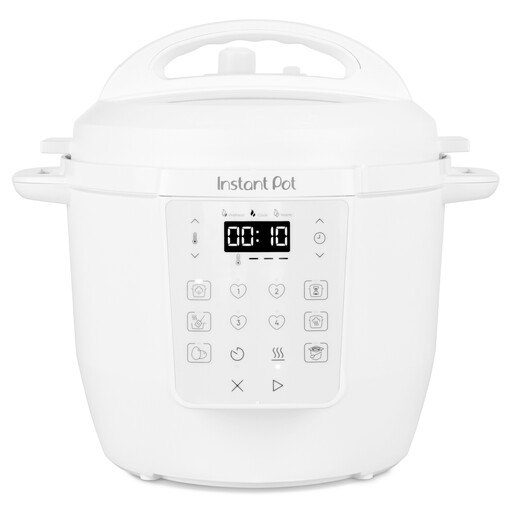 No image available
Consider this 5.7L variant if you want more pot capacity than the 3.8L Sea Salt model. Check its exact functions and filling limits against your meal, along with the instructions for covered resting and care of the removable parts.
No pressure programme is used in Panasonic Experience Fresh’s vegetable couscous method: it pours hot stock over the couscous and leaves it covered for 10 minutes. Follow your couscous recipe and check that your cooker permits the heating and resting method you intend to use.
Start with the manufacturer’s portion guidance, then account for the vegetables, couscous and liquid in your recipe. Instant Pot UK specifies its Classic 5.7L for up to six portions, while Tefal describes the 6L Cook4me Touch bowl as serving six; follow the filling limits of whichever exact model you choose.
Choose according to the exact pot’s care instructions and your cleaning preference rather than assuming either material will improve couscous. Instant Pot UK describes the Classic 5.7L inner pot as dishwasher-safe stainless steel; Tefal describes the Cook4me Touch bowl as dishwasher-safe and non-stick.
A touchscreen may suit you if you prefer prompts, but it does not replace a recipe that fits the cooker and ingredients. Tefal describes guided recipes for its Cook4me Touch; check its instructions if you plan to use a different couscous method.
Cool and refrigerate it promptly, or freeze it for later. The Food Standards Agency advises refrigerating cooked food within one to two hours, dividing it into smaller portions to cool more quickly, and eating refrigerated leftovers within 48 hours or freezing them.