Smooth-soup regulars
If a smooth finish is the priority and you want to avoid blending separately, look for a soup maker that explicitly heats and blends. A multicooker remains an option if you are happy to use a separate blender.


Choose a pressure multicooker if cooking the pumpkin-soup base quickly matters most, or a larger simmering multicooker for household portions and batches. A standard multicooker cooks the base but does not replace blending for a smooth finish; if you want heating and blending in one appliance, consider a soup maker and check its hot-recipe capacity.
If a smooth finish is the priority and you want to avoid blending separately, look for a soup maker that explicitly heats and blends. A multicooker remains an option if you are happy to use a separate blender.
If you want to sauté ingredients and pressure-cook the soup base in one pot, compare models with both functions. You will still need a blending step for smooth soup and must follow the chosen model’s pressure-cooking instructions.
If you cook for several people or prepare portions for later, compare pot capacity with the usable fill limit for your cooking method. A larger multicooker may suit the batch, provided you have a way to blend it if needed.
Start with the result you want: a soup maker can combine heating and blending, while a multicooker gives you a choice of cooking methods for the soup base. Then match the working capacity and controls to how you normally cook.
| Concern | What to check | Who this matters to |
|---|---|---|
| Smooth texture | Check whether the appliance both heats and blends, or plan a separate blending step. For a soup maker, compare hot-recipe capacity. | I want smooth pumpkin soup without moving it to another appliance after cooking. Around 33% of consumers might make that one-appliance finish their primary concern. |
| Cooking speed | Look for both sauté and pressure-cook modes; read the exact model’s liquid, fill and pressure-release instructions. | On weeknights, I want to cook the soup base in one pot without making slow simmering the main method. For around 27% of consumers, faster preparation might come first. |
| Batch size | Compare stated capacity and portions, then check the usable fill limit for the intended cooking mode. | I need enough soup for several servings or portions to keep for later, so a small hot-recipe jug could mean repeated batches. That might be the leading concern for around 20% of consumers. |
| Guidance and cleaning | Check for on-screen instructions and which removable parts can be washed as you prefer; read the operating manual. | I would use a pressure multicooker more confidently if its controls explain the steps and cleanup is manageable. Around 20% of consumers might put that guidance first. |
Pressure, simmer and slow-cook modes cook the soup base; they do not by themselves establish a blending function. Tefal’s soup guidance identifies blending as the step needed for a smooth finish.
If you do not want a separate blending step, check that the appliance explicitly heats and blends, as well as its hot-recipe capacity.
With a standard multicooker, making smooth soup may also mean using a separate stick blender.
A pot’s stated capacity is not necessarily the amount usable under pressure. Instant Pot’s Duo Plus 5.7L guidance specifies a PC Max fill line and a minimum of water-based liquid; those instructions are specific to that model.
Compare capacities for serving size, but plan the actual batch using the manual for the exact appliance and cooking mode.
Ninja describes its MC1001UK multicooker as an 8L model for up to eight portions. Tefal’s Multisoup BL5628G0 instead combines heating and blending with a 1L hot-recipe capacity. The useful distinction is your usual quantity and whether blending must happen in the appliance.
Choose capacity around the portions you regularly make, and account for a separate blender if you select a multicooker for smooth soup.
Liquid requirements, fill marks, lids and pressure-release steps need to be checked for the appliance you use. Instant Pot’s UK Duo Plus guidance also calls for a first-use test run.
Find the manual for the exact model before buying, then follow its setup and operating directions rather than transferring figures from a different cooker.
The Foodi PossibleCooker MC1001UK is a reference point for large, non-pressure soup batches.
The Duo 5.7L illustrates the pressure-cooking route for preparing a soup base in one pot.
Tefal offers two distinct examples: the guided Cook4me+ CY851840 pressure cooker and the heating-and-blending Multisoup BL5628G0.
These choices include soup makers for a heating-and-blending approach and multicookers to consider for cooking the soup base. Match the appliance’s stated functions and capacity to your preferred texture and portion size.
 No image available
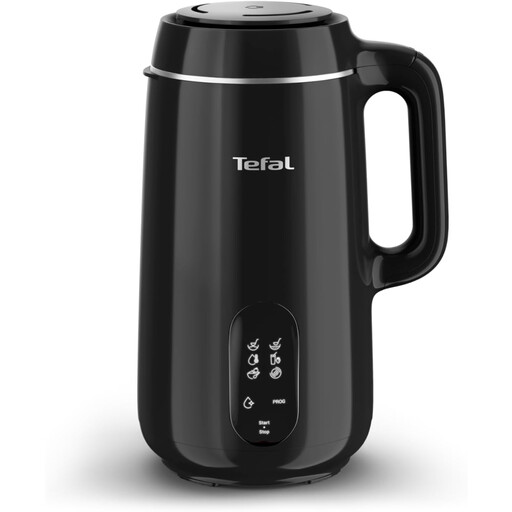
Consider this soup maker if heating and blending in one appliance matters more than making a large batch. Tefal describes the BL5628G0 as a heating-and-blending model with a 1L hot-recipe capacity; its title specifies six programmes and six blades. Larger quantities may take more than one batch.
 No image available
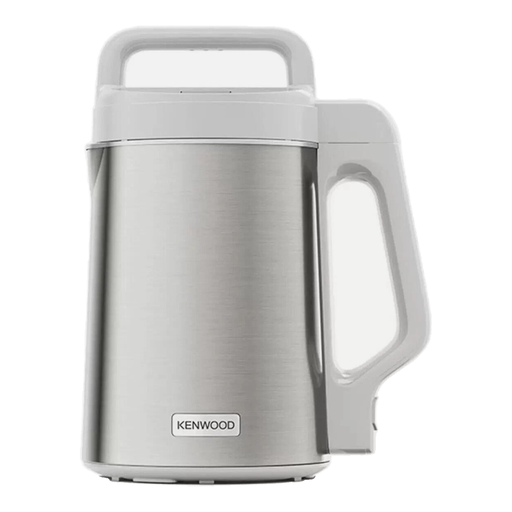
Consider this soup maker if you want to make soup without using a separate multicooker for the base. Its stated capacity is 1.5L; check the hot-recipe fill mark before deciding how many portions fit in one batch.
 No image available
For a soup base cooked with sautéing and pressure, this model’s title identifies both a pressure multicooker and a sauté function. Its stated capacity is 5.7L. Plan a separate blending method if you want smooth soup, and use this model’s manual for pressure-cooking liquid, fill and release instructions.
 No image available
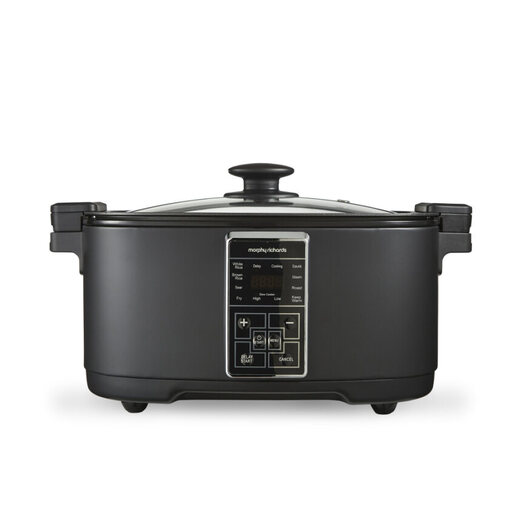
Consider the 6.5L pot if several servings are the main requirement, then check which programme suits your soup method and what fill limit applies. The product title specifies ten preset functions and a dishwasher-safe pot and accessories. Smooth soup calls for a suitable blending method.
 No image available
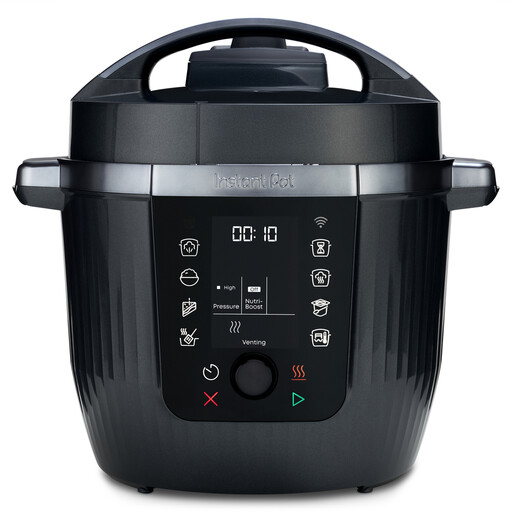
Consider this 5.7L multicooker for cooking a soup base, but check that its available modes match the method you intend to use. If you plan to pressure-cook, follow the Pro model’s own liquid, fill and release directions rather than instructions for another Instant Pot model. Arrange a separate blending step for smooth soup.
A standard multicooker can cook the pumpkin-soup base, but a smooth finish needs blending. Tefal’s soup guidance makes that distinction; if you want both steps in one appliance, check for a soup maker with integrated heating and blades.
Read the manual for the exact pressure multicooker, particularly its liquid minimum, fill line and pressure-release directions. Instant Pot’s Duo Plus 5.7L guidance specifies at least 375ml of water-based liquid and a PC Max two-thirds fill line, but those figures must not be assumed for other models.
For food prepared for a baby or young child, the NHS advises cooling a batch ideally within one to two hours before refrigerating or freezing it. Its guidance says to use refrigerated food within two days, reheat it until steaming hot throughout and reheat previously cooked food for a child only once.
Check that the product is intended for the GB market and keep its model-specific instructions. GOV.UK explains that the Electrical Equipment (Safety) Regulations 2016 set requirements for electrical equipment before it is placed on the Great Britain market; that guidance does not establish the compliance status of any individual multicooker here.