Short-stay cooks using dried or pre-soaked chickpeas
If a long simmer does not fit your plans, look for pressure cooking and sautéing in the same appliance. Check the exact model’s liquid and fill instructions before planning the stew batch.


For a short cottage stay, choose a pressure-capable multicooker with a sauté mode if you want to brown the stew base and cook dried or pre-soaked chickpeas in one pot. If your timetable allows a longer cook, a slow-cook mode offers another route; either way, check the usable capacity, worktop fit and cottage rules before taking an appliance with you.
If a long simmer does not fit your plans, look for pressure cooking and sautéing in the same appliance. Check the exact model’s liquid and fill instructions before planning the stew batch.
A slow-cook setting may suit a leisurely cooking schedule, while keep-warm can help when mealtime shifts. Follow the cooker’s instructions and the cottage’s rules about operating appliances.
Clear controls, accessible instructions and a pressure-release method you are comfortable following may matter more than the number of programmes. Check those details for the exact model.
Decide whether the stew needs a shorter pressure-cooking session or can cook slowly, then check whether the appliance can brown the base and fit safely in the cottage kitchen.
| Concern | What to check | Who this matters to |
|---|---|---|
| Shorter, one-pot cooking | Check for both pressure cooking and sautéing. Follow the model’s minimum-liquid and pressure-fill instructions. | I want to brown the stew base and cook dried or pre-soaked chickpeas without setting aside an all-day simmer; around 42% of consumers put shorter, one-pot cooking first. |
| Flexible stew timing | Check for slow-cook and keep-warm modes, and follow the manual and cottage rules when using them. | When I have longer to cook but my serving time may shift, I want a gentler cooking option; roughly 33% of consumers prioritise that flexibility. |
| Cottage fit and handling | Compare external dimensions and weight; check for a suitable socket, stable heat-safe surface and manageable cleaning requirements. | If worktop space is tight or I am carrying the cooker to the cottage, its size and handling matter most; about 25% of consumers place those practical needs first. |
The stated bowl size is not necessarily the amount of stew you can pressure-cook. Sage gives the Fast Slow GO a 6L bowl but a 4L usable volume; Instant Pot’s cited instructions also set a pressure-cooking maximum-fill line.
Plan the batch around the exact cooker’s usable volume and fill marking, allowing for the chickpeas, vegetables and liquid.
A slow-cook or pressure-cook setting alone does not establish that the appliance can sauté onions and spices in its pot.
If you want to avoid using a separate pan, check that the exact model lists a sauté, browning or equivalent cooking mode.
Instant Pot states that its cited Duo 5.7L weighs 5.4kg, while Sage lists the Fast Slow GO at 31.3 × 34.7 × 33.3cm. A filled inner pot also needs careful handling when hot.
Check the available counter space before travel, place the cooker on a stable heat-safe surface and follow its manual when lifting the pot.
The Health and Safety Executive explains that visual examination can reveal many electrical defects, though some require testing.
Inspect the appliance, plug and cable before use. Do not use a damaged cooker, and follow the cottage’s appliance rules and the manufacturer’s instructions.
Instant Pot UK presents its Duo 5.7L as a cooker with pressure, sauté, slow-cook and other modes. It is a reference point if you want both shorter and longer cooking options in one pot.
Tefal UK describes the Cook4me+ CY851840 as a 6L pressure multicooker with built-in recipe guidance and manual cooking modes, including browning and simmering.
Sage Appliances UK lists pressure, slow-cook, sauté, stew and legumes settings for its Fast Slow GO.
These multicookers offer different ways to approach cottage stew, from a cooker explicitly described as pressure-capable to models listing slow-cook or stew modes. Check the exact model’s instructions before relying on a particular cooking method.
 No image available
Consider this for a stew that starts with sautéing and then uses pressure cooking, or for a longer slow cook. The product name states a 5.7L capacity and ceramic non-stick coating; plan the pressure batch using the exact model’s usable-volume, liquid and fill instructions, and check that it fits the cottage worktop.
 No image available
Its named stew and slow-cook modes make it worth considering when there is time for a longer cook. The stated capacity is 5L; check the usable batch size and confirm whether the exact model has pressure cooking if a shorter session is essential.
 No image available
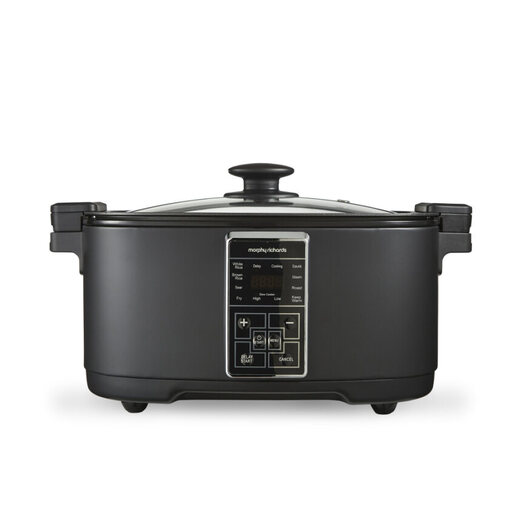
Consider this for a slower cottage stew if its cooking modes suit your recipe. The product name states a 6.5L capacity, 1350W rating and dishwasher-safe pot and accessories; check usable batch volume, worktop fit and whether the exact model offers pressure cooking before planning a shorter cook.
 No image available
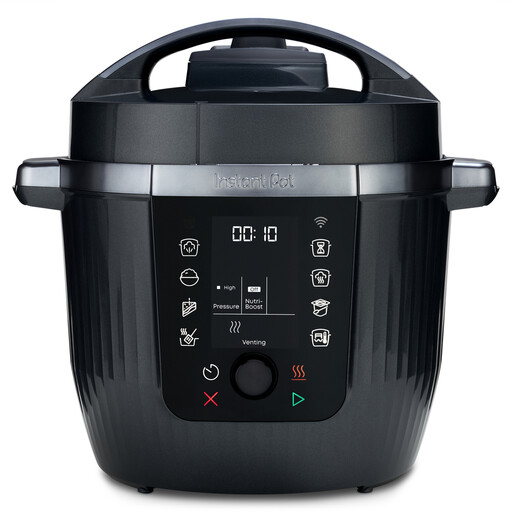
Consider this model if you want to assess both shorter and longer stew-cooking options. Its product name states a 5.7L capacity; check the Pro model’s pressure, sauté and slow-cook instructions, usable fill level, dimensions and cleaning requirements before taking it to a cottage. Instructions for the Duo are not a substitute for the Pro manual.
No: slow cooking is another option when your schedule allows a longer cook. Pressure cooking is worth considering for a shorter stay or when working with dried or pre-soaked chickpeas; check that the model also has a sauté mode if you want to brown the stew base in the same pot.
Use the minimum-liquid and fill instructions for the exact model and recipe. Instant Pot’s cited 5.7L guidance requires water-based liquid and sets a PC Max two-thirds line, but those instructions should not be transferred to a different cooker.
Check that the cottage permits it and that you have a stable, level, heat-safe place to use it in accordance with its manual. Inspect the appliance, plug and cable for damage before use; the Health and Safety Executive identifies visual examination as an important electrical-safety check.