
24/7 Customer Support

Free returns

Same-day & Next-day Delivery

Quality Guaranteed

Unlock Your Welcome Offers: FREE Delivery | Up to 80% OFF | Free 30-day JoyPlus trial
Download the APP
By Joybuy Product Recommendation Officer
Multifunction kitchen appliances can reduce the number of gadgets on your worktop, but a long list of functions does not automatically mean better value. A compact multifunction blender may handle smoothies, ice and spices, while a food processor and blender combination may be more suitable for family meal preparation. The important point is matching the appliance to your ingredients, batch sizes and cleaning routine.
Before buying, look beyond promotional wording and check the details that affect everyday use.
Some appliances advertise chopping, blending, grinding, juicing and slicing in one package. However, attachments may be limited in size or unsuitable for tougher ingredients. Consider your regular recipes first:
A clear function list is more useful than a broad “all-in-one” claim.
A 1.5-litre jug can suit one or two portions, but families may prefer a larger bowl. Capacity should also be measured against the usable fill level, not simply the number printed on the box. Overfilling can cause spillage, uneven results and unnecessary strain on the motor.
Motor wattage is another useful comparison point, but it is not the only factor. A 600W multifunction blender and a 750W food processor may be designed for different workloads. Blade design, speed settings, pulse control and the type of attachment all influence performance.
Food residue can collect around blade assemblies, seals and narrow attachment fittings. If parts are difficult to remove, the appliance may be left unused after the initial enthusiasm wears off. Look for detachable components, accessible surfaces and clear washing instructions.
For electrical safety, keep the motor base away from water, unplug the appliance before changing attachments and check that the product has the appropriate UK information, markings and instructions before use. Sharp blades and grating discs should be handled carefully, even when the appliance is switched off.
For individual drinks or small batches of baby food, a compact 1.5-litre jug may be practical. A 1.8-litre food processor bowl provides more room for family portions of chopped vegetables, grated cheese, sauces or purées. A 3.5-litre herbal decoction pot may suit households preparing several cups or a shared pot, but always follow the stated maximum and minimum fill levels.
Power should correspond with the jobs you expect to complete. A 600W motor can be suitable for everyday blending and chopping when used within the instructions. A 750W motor may provide a useful margin for processing larger quantities, but users should still avoid forcing hard or oversized ingredients into the bowl.
Multiple speed settings are helpful for adjusting texture. Low speeds can help with softer mixtures, while higher speeds may be useful for blending drinks or crushing ice where the manual permits it. A pulse function can offer more control for a vegetable chopper or food processor.
Check whether the jug or bowl is made from glass, plastic or ceramic, and whether the material is suitable for the intended temperature range. A glazed ceramic inner pot, for example, is designed for a different purpose from a plastic smoothie jug.
Also check:
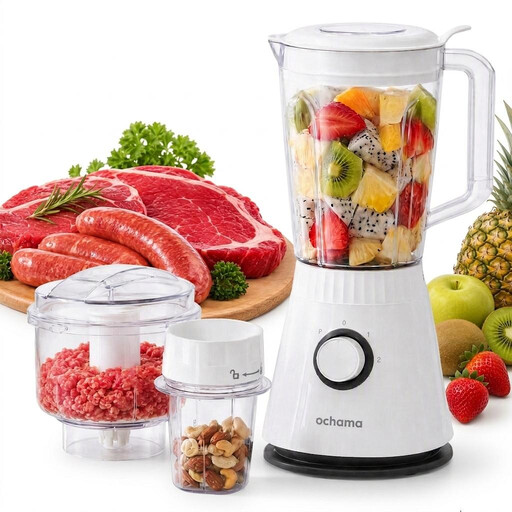
Why This Fits Their Persona: A practical starting point for smaller households, beginners and anyone wanting one compact appliance for drinks, purées and occasional food preparation.
Its 1.5L capacity and three speed settings make the intended scale clear, avoiding the assumption that a compact machine replaces every food processor.
600W motor, ice-crushing function, meat-chopping and spice-grinding attachments, with detachable parts for cleaning.
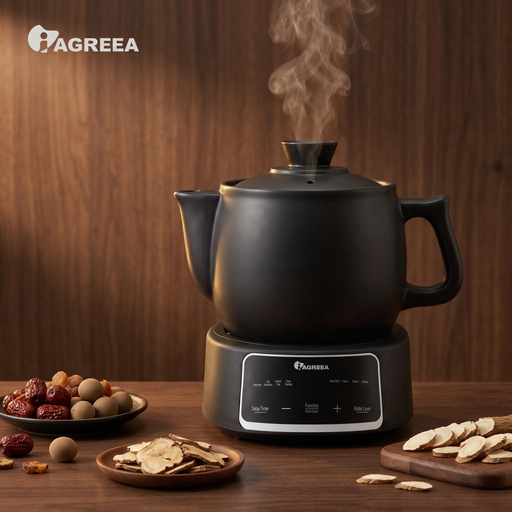
Why This Fits Their Persona: Suits shoppers who specifically want a dedicated herbal tea maker or infusion appliance with a larger family-oriented capacity and scheduled operation.
It is a dedicated pot rather than a general blender, with a detachable inner pot and separate electrical base to support simpler cleaning.
3.5L capacity, 600W segmented heating, four preset modes, 24-hour delay timer and automatic keep-warm mode.
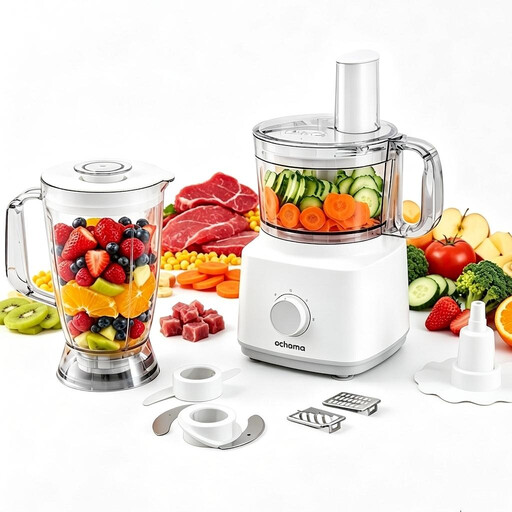
Why This Fits Their Persona: A family-friendly option for shoppers who regularly chop, slice, grate, shred and blend ingredients for everyday meals.
The 1.8L bowl and specified processing functions make it easier to judge suitability for family quantities instead of relying on vague multifunction wording.
750W motor, 1.8L capacity, blender and food processor functions, slicing, shredding and grating discs, plus detachable parts.
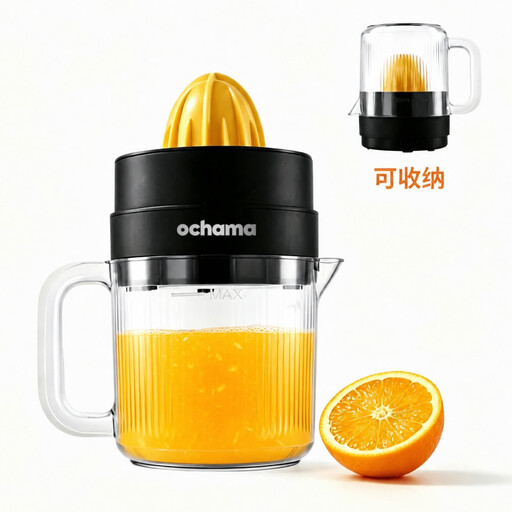
Why This Fits Their Persona: A focused choice for households that prepare orange, lemon or other citrus juice regularly and prefer a simple press-style setup.
Its citrus-specific design avoids paying for unused blending or grinding functions, while removable parts address routine cleaning.
30W electric pressing operation, 1.4L capacity, pulp separation, removable components and no cutting blades in the pressing path.
We have compiled a complete, real-time list of products that fully satisfy these strict selection criteria and UK safety regulations.
Electricity use depends on the appliance’s wattage, operating time and frequency of use. A higher-wattage machine may complete a task quickly, but running it for longer than necessary can add avoidable consumption. Use the correct batch size, avoid repeated empty running and follow the recommended preparation method.
For easier maintenance, rinse removable parts soon after use, especially after sticky fruit, herbs or spice mixtures. Do not immerse the motor housing. Let blades and discs dry fully before storage, and check seals periodically for food build-up or damage.
They can be worthwhile when you regularly use several compatible functions, such as blending, chopping and grinding. If you only make citrus juice, a dedicated electric citrus juicer may take up less preparation time. Compare the appliance’s actual attachments, capacity and cleaning requirements with your normal recipes.
A bowl around 1.8 litres can provide more working space for family cooking than a compact 1.5-litre blender. The right size depends on portion numbers, cupboard space and the manufacturer’s maximum fill guidance. Never exceed the stated capacity.
Lifespan depends on frequency of use, ingredient hardness, cleaning and storage. Follow the manual, avoid overloading, allow the motor to stop between cycles and replace damaged blades, seals or containers when appropriate. A product with detachable, washable parts can also be easier to maintain over time.