For mostly black-text A4 application forms, start with a mono laser multifunction printer; choose a colour model when the group also needs colour on forms or notices. A refillable colour ink-tank model is worth considering for regular batches, while an automatic document feeder helps with stacks of forms. If returned applications are routinely completed on both sides, check specifically for double-sided scanning: a document feeder alone does not establish that capability.
Who will use the printer?
Volunteer preparing repeat form batches
If packs are printed before every session, paper capacity and the frequency of consumable changes affect how often printing needs attention. Brother UK specifies a 250-sheet tray for the MFC-L2800DW; Canon UK specifies 600-sheet paper capacity for the MAXIFY GX7150.
Coordinator processing returned applications
A document feeder helps when copying or scanning stacks rather than placing each sheet on the glass. For forms completed on both sides, check the scanning function separately: Canon UK describes single-pass two-sided scanning on the MAXIFY GX7150, while Epson United Kingdom specifies a double-sided feeder for the ET-3950.
Small group producing black-text forms
If colour is unnecessary, a mono multifunction printer keeps the choice focused on text documents, copying and scanning. Brother UK specifies automatic two-sided printing for the MFC-L2800DW, which is distinct from two-sided scanning.
What matters when choosing?
Decide whether the forms need colour, then consider the size of a typical print batch and whether returned sheets must be scanned on both sides. Those choices help distinguish a mono text-form machine from a colour model without treating every document-feeder feature as interchangeable.
| Concern |
What to check |
Who this matters to |
| Uninterrupted repeat batches |
Compare the paper-tray capacity and the replacement consumables with the number of A4 pages printed per event. |
When I prepare packs repeatedly, I want fewer pauses to reload paper or replace supplies; around 31% of consumers put batch continuity first. |
| Copying and scanning applications |
Check feeder capacity and whether the exact model scans one or both sides automatically. |
If returned applications arrive as stacks, I need to process them without placing every sheet on the glass. Around 31% of consumers prioritise this handling need. |
| Black-text form production |
Confirm that every required form works in monochrome, then check A4 support and automatic two-sided printing. |
Our forms need clear black text rather than colour materials, so I would choose around that task; roughly 23% of consumers place simple text-form output first. |
| Colour and shared access |
Decide whether colour is required and check the connection methods and security-support information for the exact model. |
When several authorised volunteers use one printer, I need connections that suit the venue as well as any required colour output; approximately 15% of consumers make colour or shared access their primary concern. |
Buying mistakes to avoid
-
Assuming every document feeder scans both sides
An automatic document feeder can move a stack of pages through a scanner without necessarily capturing both sides of each sheet. That distinction matters when applicants write on the reverse.
Check the exact model for an explicit double-sided scanning specification before choosing it for two-sided applications.
-
Choosing without considering the whole print batch
A machine that handles a single form may still need frequent paper reloads or consumable changes during an event.
Estimate the pages needed per event and compare tray capacity and the appropriate replacement consumables for each model.
-
Leaving completed applications in shared spaces
Application forms can contain personal information. The Information Commissioner's Office advises small organisations to destroy personal data safely and securely when it is no longer needed.
Arrange prompt collection from the output tray, secure storage and a defined retention and disposal process for paper forms.
-
Treating stated page yields as a guaranteed result
The number of pages a group obtains from ink or toner depends on its documents and how it uses the printer; a stated yield should not be treated as the outcome for its own forms.
Check the yield conditions for the exact consumables and assess them against the group's expected mix of forms and notices.
Brands to consider for form workflows
Brother
A reference point for groups considering a mono laser multifunction printer for black-text A4 forms.
- Brother UK specifies up to 32 pages per minute of mono printing, automatic two-sided printing, a 50-sheet feeder and a 250-sheet tray for the MFC-L2800DW.
- The MFC-L2800DW is a mono model, so it cannot produce colour forms or notices.
Epson
A reference point when colour output and scanning forms completed on both sides are both required.
- Epson United Kingdom describes the EcoTank ET-3950 as an A4 print, copy and scan model with refillable tanks and a double-sided document feeder.
- Assess the ET-3950's consumables against the group's actual mix of black-text forms and colour documents rather than treating stated yields as its expected result.
Canon
A reference point for sustained shared workflows involving colour documents and stacks of returned forms.
- Canon UK specifies 600-sheet paper capacity and a 50-sheet, single-pass two-sided document feeder for the MAXIFY GX7150.
- Plan a suitable place for the MAXIFY GX7150: Canon lists its weight as 13.1 kg.
Joybuy printer options for form workflows
These colour multifunction options are relevant when the group also produces colour forms or notices. Check document feeding and two-sided scanning against the returned applications you handle; automatic two-sided printing answers a different need.
 No image available
Canon MAXIFY GX6150
Consider this refillable colour route if the group regularly prepares A4 forms and also processes multi-page applications. If completed forms need scanning on both sides, confirm that function for the GX6150 rather than relying on its document feeder alone.
View on Joybuy
 No image available
Brother MFC-J6760DW All-in-One Inkjet Printer
This inkjet option is relevant when colour A4 forms and multi-page copying or scanning are part of the same workflow. Check two-sided scanning separately if applicants complete both sides, and choose replacement cartridges with the group's print volume in mind.
View on Joybuy
 No image available
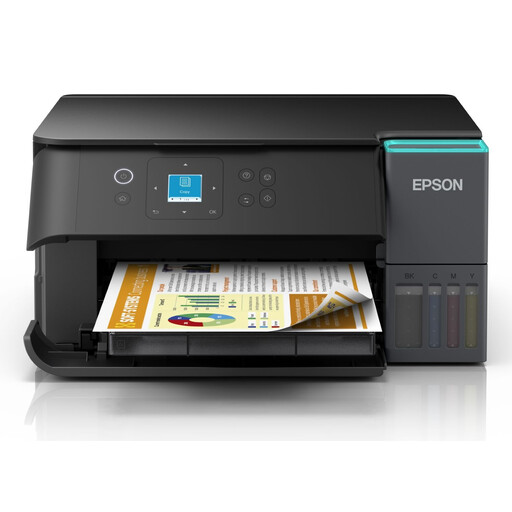
Epson EcoTank ET-2951 A4 Wireless Colour All-in-One Ink Tank Printer
For A4 colour forms printed in occasional batches, this refillable ink-tank model offers automatic two-sided printing. Before choosing it for stacks of returned applications, check whether its scanning arrangement meets that separate task.
View on Joybuy
 No image available
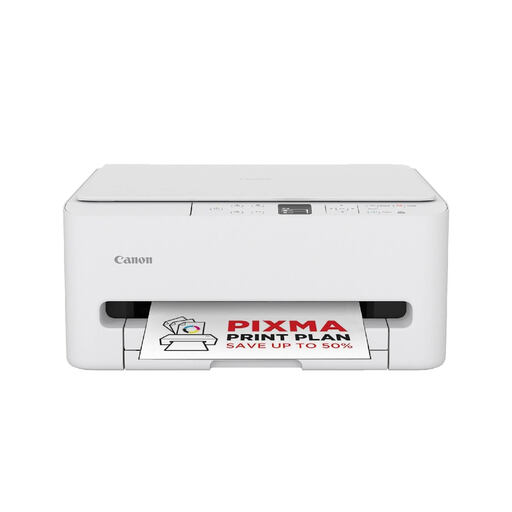
Canon PIXMA TS6550i
Consider this model for colour A4 forms when automatic two-sided printing is useful. If volunteers regularly copy or scan stacks, check its document-feeding arrangement before deciding whether it fits that workflow.
View on Joybuy
Questions about application-form printing
Do application forms require a colour multifunction printer?
No, if every required form remains clear in black text and the group does not need colour notices or colour-coded sections from the same machine. Choose a colour model when those materials are a genuine part of the workload, then check that its copying and scanning functions suit the forms too.
Is a document feeder enough for returned applications?
A document feeder helps with stacks of single-sided sheets, but it does not by itself establish automatic two-sided scanning. If applicants write on both sides, look for an explicit double-sided scanning specification for the exact model.
What should we do with paper forms containing personal information?
Collect and store them securely, then follow a defined process for disposing of records when they are no longer needed. The Information Commissioner's Office advises small organisations to destroy personal data safely and securely and identifies secure shredding as a practical method for paper documents.


