What matters when choosing?
Start with the originals: measure the pages and inspect their condition before comparing features intended for loose-sheet batches.
| Concern | What to check | Who this matters to |
|---|
| Protecting originals |
Check for a flatbed large enough for the page, and whether the binding allows safe placement. |
If a diary is bound or delicate, I want a complete scan without putting its pages through rollers. Around 33% of consumers would put preserving originals first. |
| Loose-page batches |
Compare ADF capacity and accepted sheet sizes, then inspect pages for damage, folds and staples. |
When volunteers have many sound, loose sheets to scan, repeated manual placement takes time; roughly 27% of consumers would make batch handling their main concern. |
| Both sides of each sheet |
Look for an explicit double-sided scanning specification, not just double-sided printing. |
If entries continue on the reverse of loose sheets, I need a way to capture those sides without overlooking them. For about 20% of consumers, complete two-sided capture would come first. |
| Ongoing group use |
Compare consumables for the exact model and plan authorised access, file storage and backups. |
A shared device must fit our recurring printing and scanning routine, while files containing personal information need appropriate controls; around 20% of consumers would prioritise that ongoing workflow. |
Joybuy products for this task
These multifunction printers offer different starting points for diary scanning. Check flatbed size for bound pages and feeder specifications for loose-page batches on the exact model you are considering.
 No image available
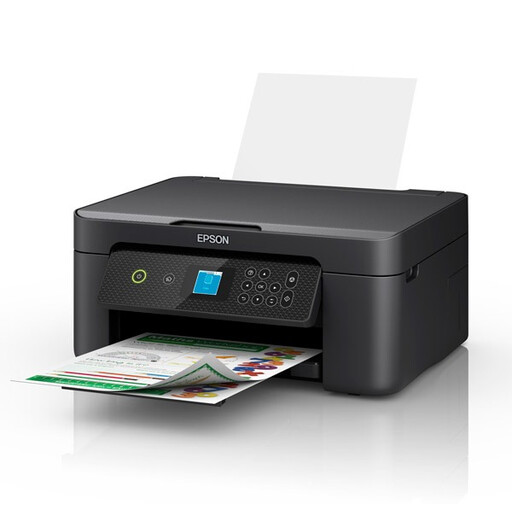
Epson Expression Home XP-3200 A4 Colour Multifunction Printer, Black
For page-by-page diary scanning, check that the scanning surface accommodates the page and its binding before choosing this model.
The product name specifies A4 colour printing, scanning, copying and Wi-Fi; confirm feeder and double-sided scan features separately if your group needs them.
View on Joybuy
 No image available
Canon MAXIFY GX6150
For loose, sound diary sheets, its feeder is worth considering once the pages’ condition and accepted sizes have been checked.
Joybuy describes a 50-sheet ADF for the GX6150. Check flatbed dimensions and double-sided scanning on this exact model before relying on either for bound or two-sided originals.
View on Joybuy
 No image available
Epson EcoTank ET-5150 +Ink A4 Multifunction Printer
If the group is considering this model for recurring scanning and printing, check its scan surface against bound diary pages and its feeder requirements against loose sheets.
The product name identifies an A4 print, scan and copy model with Wi-Fi. Confirm double-sided scanning separately; other two-sided functions do not establish it.
View on Joybuy
Frequently asked questions
Should we use an ADF for a bound or fragile diary?
Use a flatbed rather than feeding an original that cannot safely pass through rollers. Check the binding, page condition and scanning area first; The National Archives advises particular care when digitisation could damage a physical record.
Does double-sided printing mean automatic double-sided scanning?
No: the scan function needs its own specification. Epson UK describes double-sided printing but single scanning for the WF-3820DWF, while the WF-4830DTWF is listed with double-sided scanning.
What if diary entries identify people?
Plan how the group will handle those scans before volunteers create or share them. For personal data, UK data-protection requirements include appropriate security; the Information Commissioner’s Office says the measures should reflect the circumstances and risk.
What should volunteers agree before scanning begins?
Agree who may access the files, where they will be stored, how backups and recovery will work, and who checks pages before sharing them. These decisions matter particularly when entries contain personal information.
How should we compare ongoing printing needs?
Compare consumables and stated yields for each exact model against how often the group expects to print, rather than judging by brand or printer type alone. A stated yield is a comparison point, not a promise of what the group will obtain from its own documents.


