Repeat-event ticket organisers
Volunteers printing several batches across the year who want ink replenishment and paper loading to interrupt their work as little as possible.


For repeated raffle-ticket runs alongside group paperwork, consider an A4 multifunction printer with refillable ink; for a one-off run, weigh the setup and paper testing against using a ticket-printing service. Check that the exact perforated sheets suit the printer’s supported paper type, weight and feed path before comparing ink yields or tray sizes. The group also needs to establish which UK raffle rules apply before finalising its ticket artwork.
Volunteers printing several batches across the year who want ink replenishment and paper loading to interrupt their work as little as possible.
Groups that also scan forms, copy notices and print everyday event documents, potentially from several devices.
Groups making modest in-house runs on A4 ticket stock, for whom checking media compatibility and testing the layout matter more than maximum tray capacity.
Start with the ticket sheets you intend to use, then decide how much printing and administrative work the machine will handle between raffles.
| Concern | What to check | Who this matters to |
|---|---|---|
| Repeat-run interruptions | Compare the ink arrangement and tray capacity with the group’s expected ticket and document runs. Treat stated page yields as manufacturer figures, not ticket-specific output. | If we print tickets for several events, frequent refilling or paper loading would slow the work; roughly 36% of consumers put repeat-run interruptions first. |
| Perforated-sheet handling | Match the sheet’s weight and coating to the exact model’s media guidance and feed path, then test its layout and alignment. | When our tickets come on perforated A4 sheets, a misfeed or misplaced print could spoil a batch; around 29% of consumers make sheet handling their primary concern. |
| Shared administration | Check the print, copy and scan functions; consider an automatic document feeder if volunteers regularly process multi-page originals. | If the same machine must handle forms and notices, scanning and copying are as useful to us as ticket printing; roughly 21% of consumers prioritise this combined workload. |
| Occasional use | Consider how many events need tickets and whether the group will otherwise use the printer; allow time for paper and artwork tests. | For a single small raffle, we may not want to set up a printer mainly for tickets; around 14% of consumers put avoiding an oversized setup first. |
A4 size alone says little about a sheet’s weight, coating or perforation layout. Epson’s paper guidance advises checking the exact printer’s supported media and notes that third-party paper can cause feed issues.
Check the stock’s specifications against the model documentation and print the final artwork on a small batch before producing the full run.
Misfeeds or poor alignment can mean wasted specialist sheets and time spent reprinting.
Manufacturer page-yield figures do not tell a group how much ink its particular ticket design will use, or whether a larger tray and document feeder will be useful between events.
Estimate the coming year’s ticket and paperwork volume, then compare the ink arrangement and handling features against that workload.
The Gambling Commission distinguishes small society lotteries from other event raffles. The applicable route affects registration and, for a small society lottery, the information printed on tickets.
Identify the raffle type before approving the artwork, and check the relevant Gambling Commission guidance for that route.
Changing the artwork late can require another print run.
Brother UK presents the DCP-T780DW as an A4 refillable-ink printer with copying and scanning, suited to groups considering regular ticket runs alongside administration.
Canon UK Store positions the refillable MAXIFY GX6550 for a busier shared print, copy and scan workflow.
Epson United Kingdom describes the EcoTank ET-3956 as an A4 refillable multifunction model for printing and double-sided document work.
These models offer options for ticket printing alongside group paperwork, including refillable-ink and inkjet models. Before choosing one for perforated tickets, check its exact paper guidance against the stock you plan to use.
 No image available
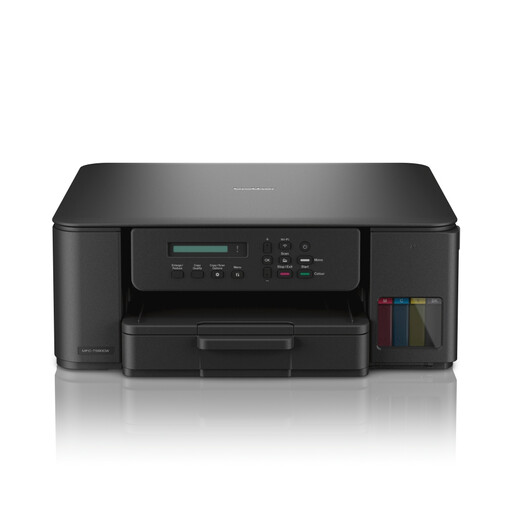
Consider this wireless ink-tank model if recurring tickets and group paperwork call for a shared multifunction printer. Check the exact perforated sheet’s coating, layout and recommended feed path, then test it before a full run.
 No image available
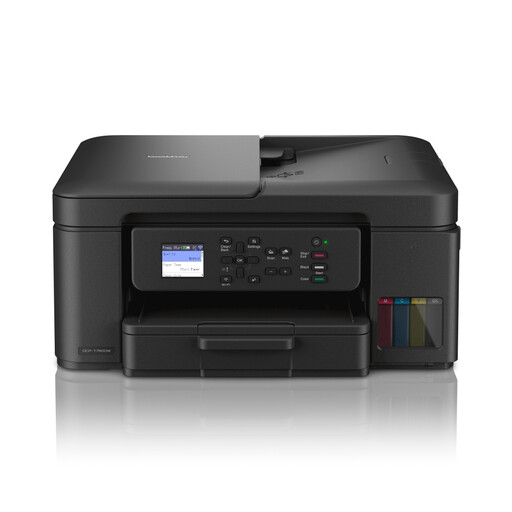
Consider the DCP-T780DW for repeated ticket batches when the group also copies or scans paperwork. Brother UK lists a 150-sheet tray, manual feed slot and 20-sheet document feeder, but the media-weight figures available for this model differ; confirm the applicable range and feed path before buying perforated stock. Test the exact sheets and artwork before printing a batch.
 No image available
Consider the GX6150 if the group expects repeated ticket work alongside shared administration. Check the GX6150’s own paper specifications and feed guidance against the intended perforated sheets; specifications for the different GX6550 model should not be applied to it.
 No image available
This all-in-one inkjet is an option when ticket printing and other group documents need to share a machine. Check its supported paper type, weight and feed path before committing to a perforated-sheet design.
 No image available
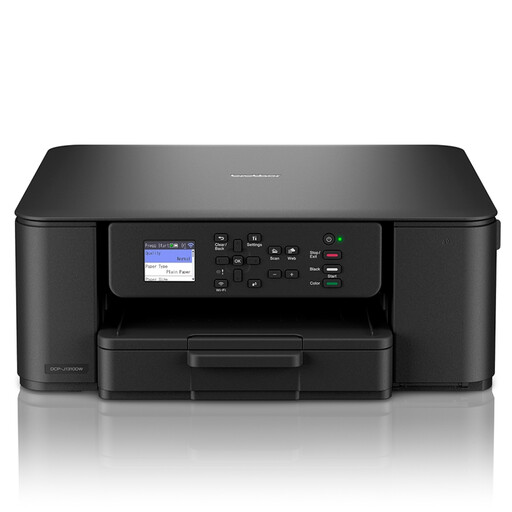
Consider this wireless inkjet for ticket runs alongside ordinary group documents. Confirm its paper-type and feed guidance for the intended perforated sheets, and test their alignment before producing tickets in quantity.
Registration depends on the lottery type. The Gambling Commission says a small society lottery for a good cause must be registered with the local licensing authority, although it does not require a Gambling Commission licence; a raffle run as an incidental lottery at an event follows a different route. Establish how tickets will be sold and which route applies before finalising them.
Under Gambling Commission guidance for small society lotteries, the ticket must show the society’s name, the ticket price, the organiser’s name and address, and the draw date or information from which it can be determined. The guidance allows an external lottery manager’s details where applicable and requires the same ticket price throughout that lottery.
A4 perforated ticket sheets are available, but their suitability depends on the exact printer and stock. Compare the sheet’s weight and type with the model’s media guidance, then test feeding, alignment and tearing on a small batch; Epson warns that third-party paper can cause feed issues.
No. An automatic document feeder handles multi-page originals for scanning or copying, so it is useful for group paperwork rather than a requirement for printing ticket sheets. For tickets, focus on the print-media guidance, feed path and alignment of the exact perforated stock.