One-off school-project organisers
A small ticket batch may sit alongside worksheets or project paperwork. Check that the printer works with the ticket template and the device used to create it before prioritising capacity for longer runs.


Choose a multifunction printer around the ticket paper, the size of the print run and whether the project also needs copying or scanning. An occasional batch on ordinary paper may need little beyond a compatible template and straightforward printing; repeated runs make refillable ink and paper capacity more relevant. For card or perforated sheets, check the exact model’s supported media and feed path before relying on its duplex or paper-capacity specifications.
A small ticket batch may sit alongside worksheets or project paperwork. Check that the printer works with the ticket template and the device used to create it before prioritising capacity for longer runs.
Reprints, posters and administration sheets make ink refills and paper loading more important. Manufacturer page yields are useful to examine, but they are not a count of tickets you can expect from a particular design.
If the tickets need to use card or other non-standard sheets, start with the exact model’s supported media type, weight and feed route. Automatic double-sided printing does not, by itself, establish that the chosen stock can be duplexed.
Settle on the ticket sheets before comparing print-run capacity: a larger tray helps less if the chosen stock needs a different feed route. Then consider how often the printer will be used and what other project documents it must handle.
| Concern | What to check | Who this matters to |
|---|---|---|
| Ticket-stock compatibility | Check the exact model’s supported media type and weight for the intended feed path. Check duplex support separately if tickets need printing on both sides. | If I want substantial or pre-perforated tickets, I need the actual sheets to feed and print reliably before committing to a batch; around 29% of consumers put stock compatibility first. |
| Repeat-run capacity | Compare refill arrangements and the paper capacity applicable to the intended sheets. Treat stated ink yields as manufacturer figures under their specified conditions. | When tickets may need reprinting alongside posters and handouts, I want fewer interruptions across those runs; roughly 43% of consumers prioritise repeat-printing capacity and refills. |
| Project workflow | Confirm print, copy and scan functions and compatibility with the device holding the template. Assess an automatic document feeder for paperwork, not for printing ticket sheets. | If I also need to copy forms or scan artwork, I want those tasks to fit into the same project workflow; about 28% of consumers make multifunction use and setup their primary concern. |
Paper-weight limits and two-sided printing limits can apply to different media. Brother UK lists a 64–220 g/m² tray range for the DCP-T780DW, but lists plain or recycled paper for its automatic two-sided printing.
Check both specifications for the intended sheets, then print a small proof to confirm feeding and reverse-side orientation before making the full batch.
A failed run can use up pre-perforated sheets or card stock.
Manufacturer yields are stated under test conditions; ticket artwork and colour coverage may differ from the documents used for those figures.
Estimate how many batches and supporting documents you expect to print, then compare refill arrangements and paper handling as well as the stated yield.
An automatic document feeder is for handling documents during scanning or copying. Its presence does not establish which card or perforated sheets the printer can print on.
Use the printing tray or manual-feed specification to assess ticket stock; consider the document feeder separately if the project involves forms.
A real paid school raffle may need different ticket information and arrangements from a classroom-only mock project. The Gambling Commission’s UK guidance sets ticket-content and registration requirements for small society lotteries.
Before printing paid tickets, ask the school to establish the activity’s legal category and check the applicable requirements with the local licensing authority.
Brother’s DCP-T780DW is a reference point when a school project needs print, copy and scan functions alongside a manual-feed slot.
Canon’s MAXIFY GX4050 illustrates a refillable multifunction option for projects that also produce recurring ordinary-paper documents.
Epson’s EcoTank ET-4950 is relevant when ticket printing is accompanied by two-sided scanning or copying of project documents.
These printers are choices to consider for school ticket printing and accompanying paperwork, from a small occasional run to repeated project work. Match the chosen ticket sheets and template to the exact model before selecting one.
 No image available
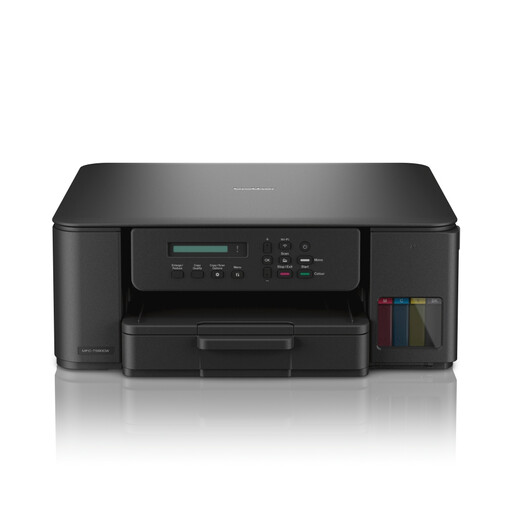
Consider this wireless ink-tank model if the project calls for repeat printing as well as other documents. Check its supported feed path and media against the actual ticket sheets, particularly for two-sided tickets.
 No image available
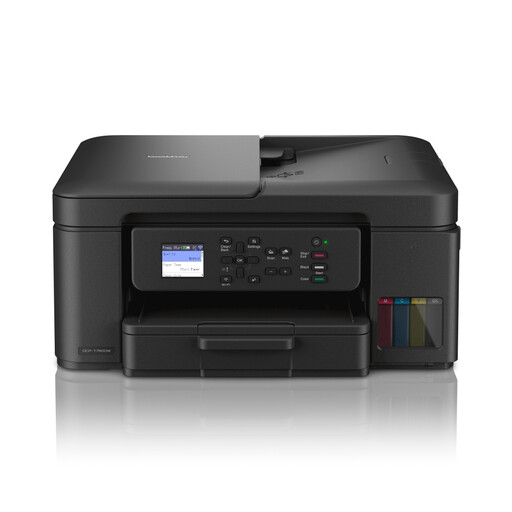
Consider its manual-feed slot if you plan to trial compatible special sheets in small quantities. Brother UK lists a 150-sheet tray and a 64–220 g/m² tray media range, while automatic duplexing is listed for plain or recycled paper. Confirm the applicable media guidance for your chosen sheets before printing tickets on both sides.
 No image available
If you expect recurring ticket batches and project paperwork, compare this model’s paper capacity and refill arrangements with the work you have planned. Confirm the exact sheets’ supported media type, feed path and duplex compatibility independently of those document-printing considerations.
 No image available
The A4 Wi-Fi multifunction format is worth considering if tickets share a workflow with scanned or copied project documents. Check the ET-5150’s paper-handling guidance for the intended ticket sheets; do not use specifications for a different EcoTank model as a substitute.
 No image available
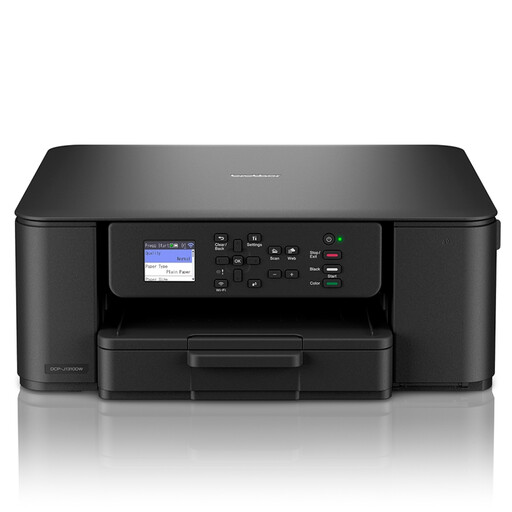
For a small occasional ticket run, consider whether this wireless inkjet printer meets the project’s template and paperwork needs. Check the exact ticket stock and feed guidance before moving beyond ordinary paper or planning a two-sided batch.
Not necessarily: an A4 multifunction printer can be sufficient for ordinary-paper tickets if it works with your template and device. For heavier, coated or perforated sheets, check the exact model’s supported media and feed path, then test the sheets you intend to use.
Only if the printer supports automatic duplexing for the chosen sheet type. Brother UK, for example, lists plain or recycled paper for automatic two-sided printing on the DCP-T780DW; its broader tray media-weight range does not establish duplex support for ticket card.
Consider one when tickets are likely to be reprinted or the school will also print posters and other documents regularly. Compare the refill arrangement with your expected use, but do not treat a manufacturer’s page-yield figure as a guaranteed number of ticket sheets.
Yes, particularly when using pre-perforated or double-sided sheets. Match the paper size and media setting to the loaded stock, then use a small proof to check margins, numbering, cut alignment and reverse-side orientation.