
24/7 Customer Support

Free returns

Same-day & Next-day Delivery

Quality Guaranteed

Unlock Your Welcome Offers: FREE Delivery | Up to 80% OFF | Free 30-day JoyPlus trial
Download the APP
Stocking the pantry with multipack soft drinks seems like a straightforward task. It promises convenience for busy mornings, ready-to-go refreshment and better value. Yet, the supermarket aisle is filled with subtle traps that can lead to disappointing purchases, from drinks that aren't as healthy as they appear to "bulk buys" that don't actually save you money.
As a Joybuy Product Recommendation Officer, my role is to help you see past the colourful packaging and marketing claims. This guide will break down the common pitfalls UK shoppers face and provide a clear framework for choosing the right multipack drinks for your family's needs, whether for kids' lunchboxes, post-workout hydration or simply a well-stocked fridge.
Before you add that large case to your basket, be aware of these frequent traps:
To make an informed choice, focus on these three non-negotiable parameters. They provide a reliable way to compare products objectively.
The most important line on the nutritional label is "Carbohydrates - of which sugars". This figure, shown per 100ml, is the key to a fair comparison. In the UK, drinks with over 5g of sugar per 100ml are considered high in sugar and are subject to the Soft Drinks Industry Levy. Using this 5g benchmark helps you quickly identify genuinely low sugar drinks, regardless of the serving size.
Scan the ingredients list for clarity. "Fruit juice from concentrate" means real fruit juice has been used. "Natural flavourings," on the other hand, can be derived from various sources to create a fruit-like taste. Also, note the type of sweetener used in no-added-sugar options. Common ones include:
This knowledge is especially useful when selecting plant-based drinks or other alternatives where ingredient purity is a priority.
The packaging format should match its intended use.
Instead of a generic list, we've matched specific products to the households that will benefit from them most.
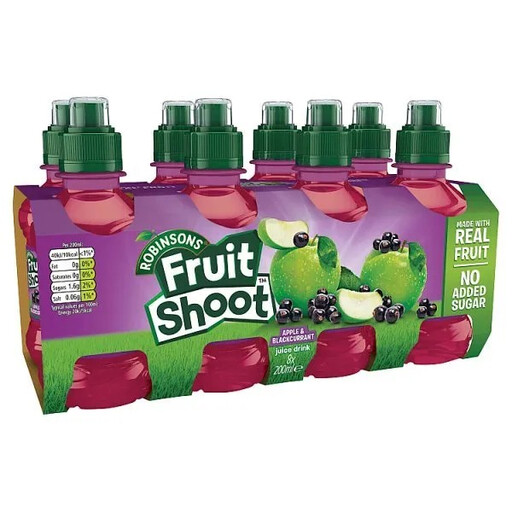
Why This Fits Their Persona: This is a go-to for UK parents who need a reliable, portion-controlled drink for school lunchboxes or after-school activities. The resealable sports cap minimises spills and the familiar flavour is widely accepted by children.
It directly counters the "No Added Sugar" blind spot. The nutritional information confirms a very low sugar content of just 0.8g per 100ml, making it a genuinely low-sugar choice.
Made with real fruit juice from concentrate (apple and blackcurrant) and contains no artificial colours or flavourings. Approved by the Vegetarian Society as vegan.
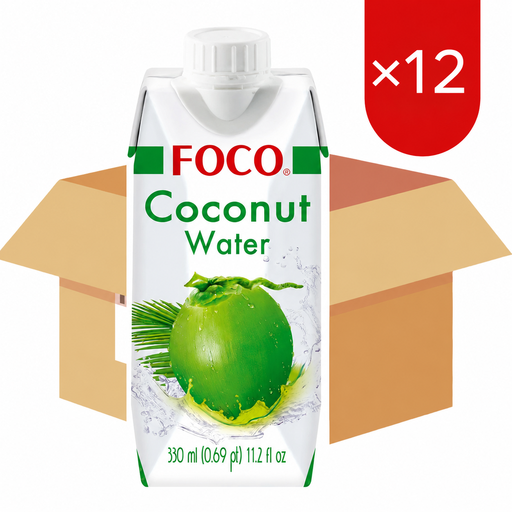
Why This Fits Their Persona: Ideal for health-conscious individuals and active families looking for a natural hydration source. This coconut water multipack is perfect for post-workout recovery or as a refreshing, low-calorie daily drink.
This product completely bypasses the "fruit drink" fa?ade. The ingredients list has one item: 100% Coconut Water. There is no room for ambiguity about added sugars, sweeteners or flavourings.
It is naturally fat-free, contains electrolytes like potassium and is not from concentrate. The taste is pure and refreshing without any artificial aftertaste.
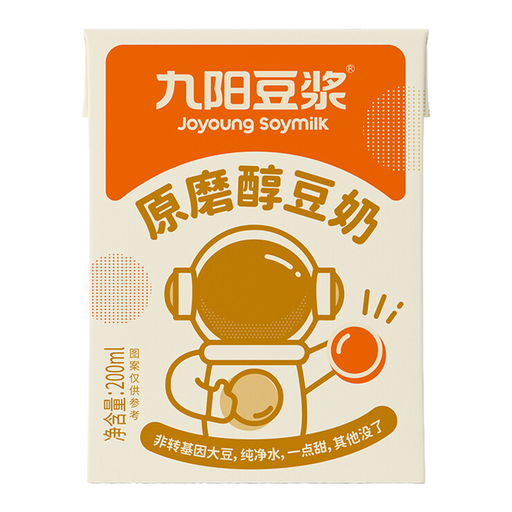
Why This Fits Their Persona: For those looking to explore plant-based drinks beyond the usual oat or almond milk. This offers an authentic, creamy soy milk experience, popular in many parts of Asia, as a light and satisfying dairy-free drink.
Its simplicity is its strength. The ingredient list is short and clear: Water, Soybeans (8.5%) and White Sugar. With only 2.0g of sugar per 100ml, it's a transparent, low-sugar option.
This is a genuine plant-based drink made with a high percentage of real soybeans, providing 2.1g of protein per 100ml. It can be enjoyed chilled or warm.
We have compiled a complete, real-time list of products that fully satisfy these strict selection criteria and UK safety regulations.
1. Are 'no added sugar' drinks a good choice for children? They are generally a more sensible choice compared to their full-sugar counterparts. However, it is still wise to check the "of which sugars" value on the label to account for naturally occurring sugars. These drinks also contain sweeteners and whether to include them in a child's diet is a personal choice for parents. As with any treat, moderation is advisable.
2. What is the most cost-effective way to check if a bulk buy is good value? Always ignore the total pack price and focus on the unit price. Retailers are required to show the price per 100ml or per litre on the shelf label or product page. This figure allows for a direct, like-for-like comparison between different pack sizes and brands, ensuring you get the best value.
3. Can I recycle drink cartons and pouches in the UK? Most food and drink cartons (like those from Tetra Pak) are widely recyclable through household collections or at local recycling points, but it's always best to confirm with your local council's guidelines. Drink pouches can be more difficult to recycle via kerbside services. Some brands have partnered with specialist recycling schemes, so it is worth checking the packaging for specific instructions.