
24/7 Customer Support

Free returns

Same-day & Next-day Delivery

Quality Guaranteed

Unlock Your Welcome Offers: FREE Delivery | Up to 80% OFF | Free 30-day JoyPlus trial
Download the APP
Multivitamin gummies can make a daily supplement easier to remember than capsules or large tablets. However, their sweet flavour and colourful packaging can hide important differences in dosage, ingredients and suitability. Whether you are comparing adult multivitamin gummies, children's multivitamin gummies or vegan vitamin gummies, the label matters more than the marketing.
A gummy containing 20 or more ingredients is not automatically more suitable. Some formulas provide modest amounts of many nutrients, while others focus on a smaller selection at clearly stated percentages of the UK Nutrient Reference Value (NRV). Compare the nutrients you actually want and check whether the serving size is one gummy, two gummies or four.
Gummies may contain added sugar, glucose syrup, maltitol, sorbitol or other sweeteners. Sugar-free multivitamin gummies may still contain polyols, which can cause a laxative effect if consumed excessively. Conversely, a product with a small amount of sugar may be easier to take but less suitable for sugar-conscious shoppers.
Always scan the allergen statement. Ingredients such as fish collagen, coconut oil, bovine gelatine and soya may be unsuitable for some households. A product described as plant-based should still be checked against the full ingredient list and packaging.
Gummy vitamins should be stored securely and given only at the stated dose. Age guidance varies: some kids' vitamin gummies are for children aged four and over, while some softies are labelled for ages three to 12. More gummies do not mean more benefit, and fat-soluble vitamins can accumulate when taken in excessive amounts.
Look beyond the front of the pack. Check the amount per daily serving, the percentage NRV and the maximum daily dose. An adult formula may require one gummy, while some children’s products require four. This affects both convenience and the real cost per day.
For adults, a balanced profile may include vitamins A, C, D, E, D3 and B vitamins, with minerals such as zinc, iodine or selenium. Women’s multivitamin gummies may include nutrients selected for general energy, bone, skin or hair support, while men’s multivitamin gummies may use a different nutrient profile. These descriptions indicate intended use rather than a medical treatment.
Pectin is a plant-based gelling agent commonly used in vegetarian and vegan products. Gelatine, often bovine, is found in many traditional chewable multivitamins. If you follow a vegan, vegetarian or halal diet, check certification or the complete ingredients rather than relying only on the product title.
Chewable multivitamins also differ in texture. Soft gummies may suit people who dislike tablets, whereas chewable tablets can provide a lower-sugar format. You can compare more options in the chewables multivitamin tablets range.
Some products combine vitamins with other ingredients. Probiotic gummies may include named bacterial strains, while omega-3 gummies for children may use flaxseed-derived alpha-linolenic acid (ALA). These are not interchangeable with a standard multivitamin, so decide whether you want a basic daily formula or a combined product.
Read storage instructions, best-before information and tamper-seal guidance. Supplements should complement a varied diet, not replace it. Anyone who is pregnant, breastfeeding, taking medicines or managing a medical condition should seek advice from a GP, pharmacist or other healthcare professional before use.
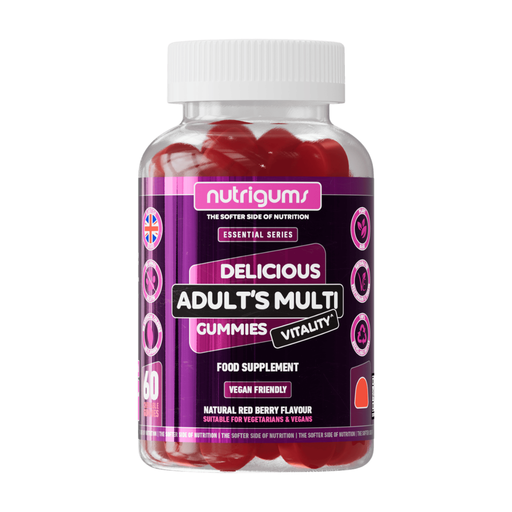
Why This Fits Their Persona: A one-gummy-per-day format suits adults starting a simple routine, including vegan and vegetarian shoppers in the UK.
The label states one gummy daily and identifies a pectin-based, gelatine-free format, making the serving and dietary suitability easier to assess.
Provides vitamins A, C, D3, E, B6 and B12, and is listed as vegan, gluten-free, dairy-free, soya-free and nut-free.
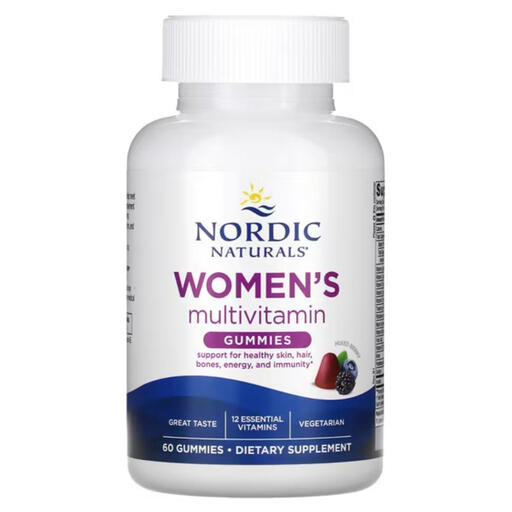
Why This Fits Their Persona: Suitable for adult women who prefer a mixed-berry gummy and a defined two-gummy serving taken with food.
It lists the full vitamin profile, serving size and added sugar, so shoppers can compare the formula rather than relying on broad wellness language.
Contains 12 vitamins, including vitamin D3, K2, folate, biotin and B12; the gummies use pectin rather than gelatine.
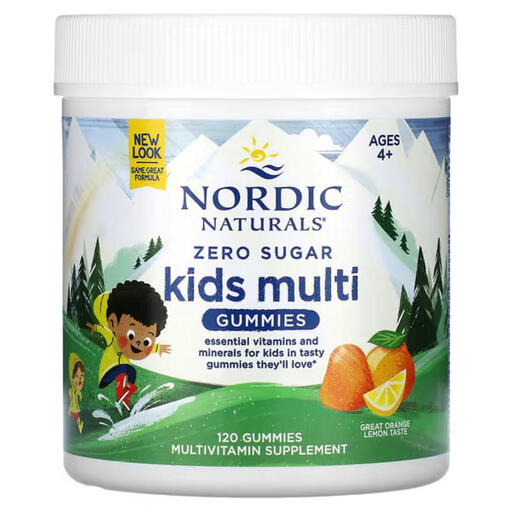
Why This Fits Their Persona: Parents seeking children’s daily vitamin gummies with no sugar may prefer a once-daily routine for children aged four and over.
The product clearly states zero total sugar, the four-gummy serving and the minimum age, helping parents avoid unsuitable dosing assumptions.
Provides 18 listed nutrients, including vitamins A, C, D3 and E, with a vegetarian pectin-based format and orange-lemon flavour.
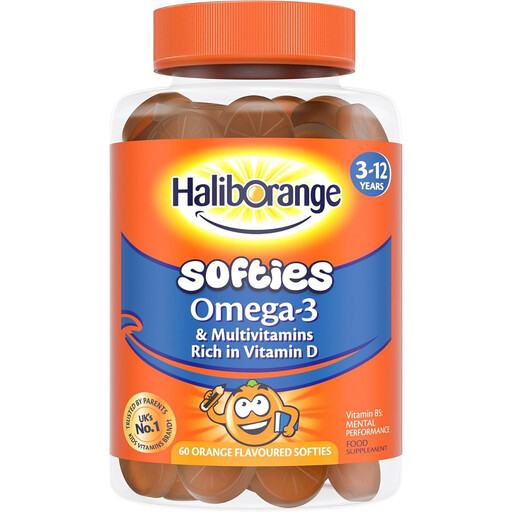
Why This Fits Their Persona: A practical option for parents wanting children’s vitamins and flaxseed-derived omega-3 ALA in one orange-flavoured soft chew.
It states the recommended age range, maximum daily amount and ALA source, avoiding confusion between different types of omega-3.
Provides vitamins A, C, D, E and B vitamins alongside 100 mg of omega-3 ALA per softie, with a natural orange flavour.
We have compiled a complete, real-time list of products that fully satisfy these strict selection criteria and UK safety regulations.
They can be taken daily when the product is intended for your age group and used exactly as directed. Check for overlapping ingredients if you already take daily vitamin gummies, fortified foods or other supplements. Do not exceed the stated dose.
Shelf life varies by product. Follow the best-before date, storage instructions and any “use within” guidance on the packaging. Keep the container tightly closed, away from heat, moisture and direct sunlight, and do not use gummies if the seal is damaged or the texture or smell has changed.
Not necessarily. Compare the price per daily serving rather than the pack price. A 120-gummy bottle may require four gummies per day, while a 60-gummy bottle may require one or two. Also check whether sugar-free products use polyols such as maltitol or sorbitol, which may not suit everyone.
The most suitable multivitamin gummies are those that match your age, dietary requirements, preferred serving size and intended nutritional purpose. Check the label carefully, keep dosage realistic and choose a format that can be used consistently.