
24/7 Customer Support

Free returns

Same-day & Next-day Delivery

Quality Guaranteed

Unlock Your Welcome Offers: FREE Delivery | Up to 80% OFF | Free 30-day JoyPlus trial
Download the APP
Buying mung beans should be straightforward: check the ingredient, choose a suitable pack size and cook them properly. Yet packaging and product descriptions can make comparison harder than expected. UK shoppers may end up paying for a ready-to-drink beverage when they need dried beans, selecting a small pack for regular cooking or overlooking preparation and storage instructions.
This guide explains what to check before buying mung beans, including green mung beans, dried mung beans, mung bean starch and ready-made mung bean products.
Dried mung beans require sorting, rinsing, soaking and thorough cooking. They are not suitable for eating raw. By contrast, a mung bean drink or dessert sachet is designed for immediate or quick preparation.
Read the usage section carefully. Terms such as “cooking required”, “not for direct consumption” and “ready to drink” describe very different products.
A green colour or picture of a dessert does not confirm that the pack contains whole beans. Some products are made from mung bean starch, mung bean flour or a blend with other ingredients. For example, vermicelli products may include soybean, wheat flour or other ingredients alongside mung bean derivatives.
Check the ingredients list if you need 100% mung beans, a gluten-free option or a particular texture.
A 400g pack can be practical for occasional mung bean soup, porridge or sprouting. Larger 1kg packs may be more suitable for households that cook Chinese recipes, curries, salads and desserts frequently. However, large quantities need careful storage to reduce exposure to humidity and pests.
For a first purchase, a smaller pack limits waste while you assess the texture and cooking time. Regular users may find multipacks more convenient.
For whole dried beans, look for an ingredient list that simply states mung beans or green mung beans. The products listed in this guide include single-ingredient options, while dessert drinks, starches and vermicelli have different formulations.
Useful formats include:
Common sizes in the available range include 400g, 454g, 500g, 1kg and multipacks. Compare the total weight rather than the number of bags alone.
Once opened, keep dried mung beans in a cool, dry place, protected from direct sunlight and moisture. An airtight container can help prevent dampness and insect infestation. Always follow the best-before information printed on the packaging.
Nutrition panels are generally shown per 100g of dry product, so they should not be compared directly with cooked serving sizes. Listed values vary between products. For example, some packs provide approximately 21–24g of protein per 100g, while carbohydrate and fibre figures also differ by label and calculation method.
If you have allergies or dietary restrictions, check the full label. Plain mung beans may list no allergens, but blended vermicelli or prepared products can contain ingredients such as wheat or soybean. Packaging should take priority if information changes.

Why This Fits Their Persona: A manageable single pack for shoppers trying homemade mung bean soup, porridge or sprouts without committing to a larger quantity.
The product is clearly identified as dried mung beans and states that soaking and cooking are required, avoiding confusion with an instant dessert or drink.
400g net weight; ingredient listed as mung beans; suitable for soups, desserts and sprouts.
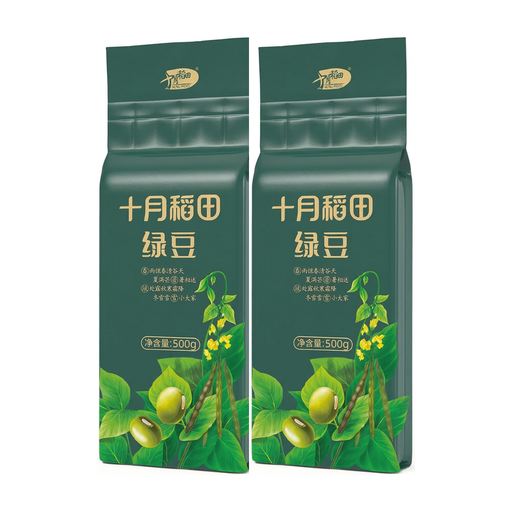
Why This Fits Their Persona: The two-pack suits households that regularly prepare Asian grocery ingredients, soups, porridge or sweet fillings.
The listing provides a practical soaking recommendation of 2–3 hours and explains that cooking is required.
Total 1kg across two packs; suitable for soup, porridge and dessert recipes; resealing is practical for storage.
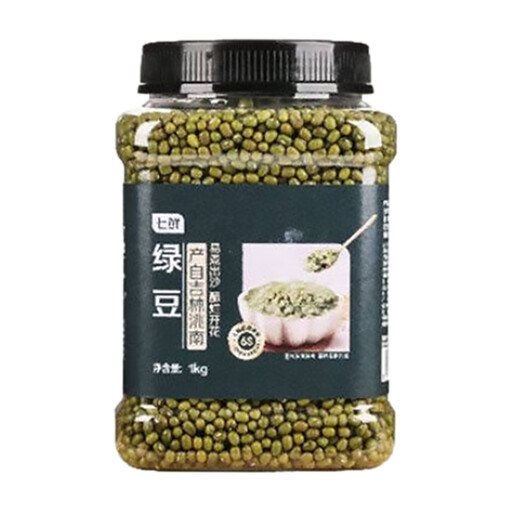
Why This Fits Their Persona: A larger quantity for frequent cooks, vegan households and anyone rotating mung beans through soups, congee, desserts and sprouting.
The listing states a 1kg net quantity and gives a cooking range of 30–45 minutes, helping buyers plan for regular use.
100% mung beans; large household pack; instructions cover soup, congee and sprouts.
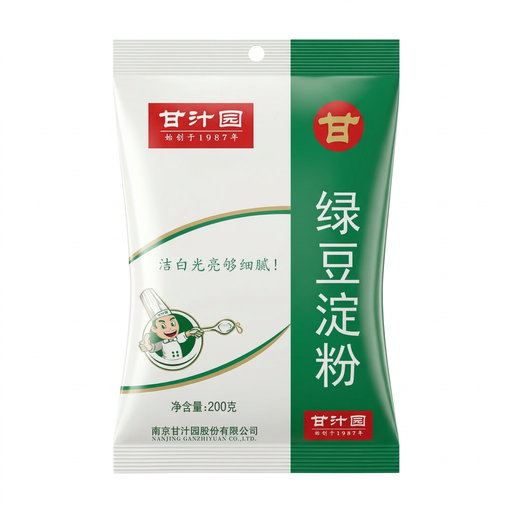
Why This Fits Their Persona: Designed for cooks making mung bean jelly, noodles, translucent desserts or recipes needing a starch ingredient rather than whole beans.
The product is clearly labelled as mung bean starch, so buyers do not mistake it for whole dried mung beans.
200g pack; single listed ingredient; suited to jellies, noodles and thickening applications.
We have compiled a complete, real-time list of products that fully satisfy these strict selection criteria and UK safety regulations.
Cooking times vary with bean age, soaking time and the texture required. For porridge or paste, cook until the beans begin to break down. Do not eat dried or undercooked mung beans. For sprouts, use clean equipment and follow safe sprouting practices; discard sprouts that smell unpleasant or show spoilage.
Plain mung beans are a plant-based ingredient and are suitable for vegetarian and vegan cooking when the label confirms there are no additional ingredients. They can be used in soups, curries, salads, porridge and desserts. Check blended products separately for allergens and added ingredients.
After soaking, many products take approximately 15–45 minutes to simmer, although very soft mung bean soup or paste may require longer. Follow the pack instructions and cook until tender rather than relying only on a fixed time.
Whole beans are used for dishes such as mung bean soup, porridge and sprouts. Mung bean starch is a processed ingredient used for noodles, sheets, jellies and thickening. They are not interchangeable in most recipes, so select the format that matches your intended dish.