
24/7 Customer Support

Free returns

Same-day & Next-day Delivery

Quality Guaranteed

Unlock Your Welcome Offers: FREE Delivery | Up to 80% OFF | Free 30-day JoyPlus trial
Download the APP
Mung beans are a practical ingredient for UK kitchens, whether you are preparing Chinese desserts, South Asian curries, soups, porridge or homemade mung bean sprouts. They are also a useful plant-based protein option and a versatile vegan pantry staple.
However, choosing the right product is not simply a matter of selecting the largest bag or the greenest-looking beans. The format, cooking instructions, storage requirements and intended recipe all affect value and convenience.
Whole green mung beans are suitable for long-cooked dishes such as mung bean soup, mung bean porridge and sweet bean paste. They can also be used for sprouting when the packaging permits it.
Moong dal, also called split mung beans or split green gram, has had its outer layer removed and is divided into smaller pieces. It generally cooks more quickly and is commonly used for dal, light curries and soups.
Buying whole beans for a quick weekday dal may mean a longer preparation time. Conversely, choosing moong dal for sprouting or a dish requiring intact beans may produce the wrong texture.
Dried mung beans require washing, soaking where appropriate and thorough cooking. They should not be eaten raw or undercooked. Sprouted beans also require careful handling and cooking according to reliable food-safety guidance.
Check the label for phrases such as “cooking required”, soaking instructions and storage advice. A ready-to-drink mung bean beverage or instant dessert soup is a different product category from dried mung beans and cannot be used interchangeably in recipes.
A 1kg bag may offer convenience for households that cook beans regularly, but dried legumes need to be protected from humidity, pests and contamination after opening. A smaller 400g or 500g pack can be more suitable if you are trying mung beans for the first time or have limited cupboard space.
Look at the price per 100g, not only the ticket price. Also consider whether you have an airtight container available once the packet is opened.
Choose the format according to your recipe:
Read the ingredient list carefully. For example, a product labelled as mung bean vermicelli may contain additional ingredients such as soya, wheat flour, salt or preservatives.
For occasional cooking, 400g to 500g is usually a manageable starting point. A 1kg pack or multipack may suit families, regular batch cooking or households planning to make mung bean sprouts.
Compare:
Nutrition panels also vary. Listed values for dried products commonly show around 21g to 24g of protein per 100g, but figures differ between products. Use the specific label as the reference rather than relying on general assumptions.
Single-ingredient products should clearly list mung beans or green mung beans as the ingredient. Check the country of origin if this matters to your purchasing decision; the products below include beans from China and Thailand.
Although plain dried mung beans are often listed without allergens, processed products can contain or be made alongside soya, wheat, sesame, peanuts, tree nuts or sulphites. This is particularly relevant for vermicelli, mixed noodles and prepared foods. Always read the current packaging before purchase, especially where allergies are involved.
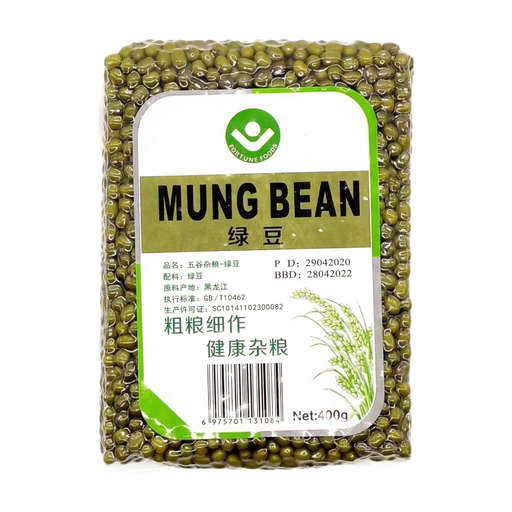
Why This Fits Their Persona: A straightforward single-ingredient pack for UK households testing mung bean soup, porridge or occasional sprouting without committing to a large quantity.
The 400g size limits leftover stock, while the ingredients list identifies mung beans only. It is clearly marked as requiring soaking and cooking.
400g household pack; listed at 23.5g protein per 100g of dry beans.
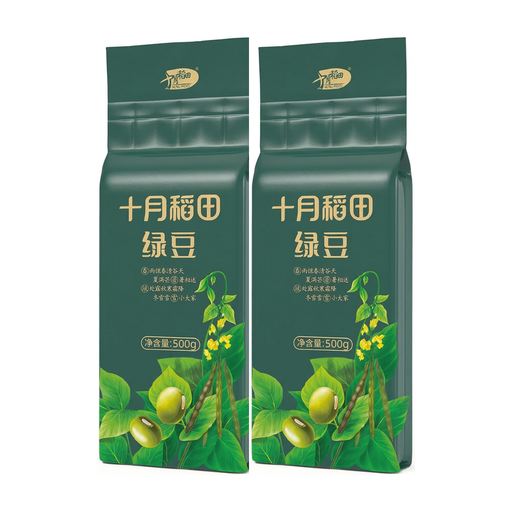
Why This Fits Their Persona: A 1kg total supply for cooks who value a larger reserve for repeated soups, desserts, rice-and-bean porridge or batch preparation.
The two 500g packs can be opened separately, helping reduce prolonged exposure to air and moisture compared with opening one large bag at once.
Two 500g packs; instructions specify soaking for 2–3 hours and simmering until soft.
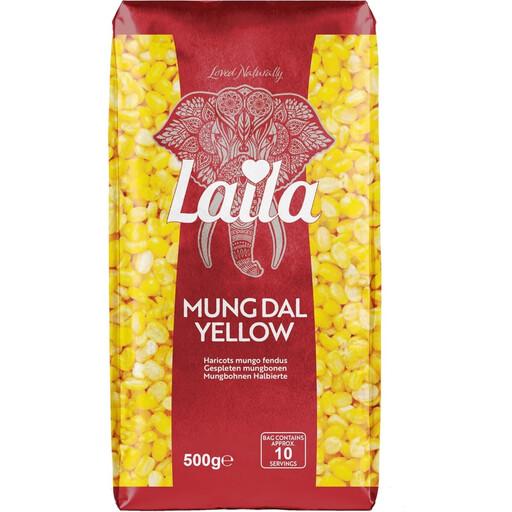
Why This Fits Their Persona: A practical choice for South Asian cooking, particularly dal and light curries where split green gram is more suitable than whole beans.
The product is identified as split mung beans rather than whole green mung beans, reducing the risk of buying the wrong format for dal recipes.
500g pack; contains 100% split mung beans and provides cooking guidance for tender, piping-hot dal.
Before cooking, sort through the beans, rinse them thoroughly and remove any visible debris. Soaking for several hours or overnight can help reduce cooking time, although the exact method depends on the product and recipe. Add fresh water and simmer until the beans are completely tender.
For storage, keep unopened and opened packs in a cool, dry place, away from direct sunlight and humidity. After opening, transfer the beans to an airtight container if the packaging is not resealable. Do not use products if the packaging is damaged, swollen or shows signs of pests.
We have compiled a complete, real-time list of products that fully satisfy these strict selection criteria and UK safety regulations.
They come from the same legume, but the formats differ. Whole mung beans are green and intact, while moong dal is usually split and may have the outer skin removed. Choose whole beans for many soups, porridges and sprouting applications, and moong dal for faster-cooking dal and curries.
Many whole dried mung beans benefit from soaking for two to several hours or overnight. Split mung beans may cook more quickly, but you should still follow the packet instructions. In every case, rinse the beans and cook them thoroughly until tender.
Unopened products should be used by the best-before information on the packaging. Once opened, protect them from moisture and pests in a sealed container. Discard beans with an unusual smell, visible mould, insect infestation or packaging damage.