
24/7 Customer Support

Free returns

Same-day & Next-day Delivery

Quality Guaranteed

Unlock Your Welcome Offers: FREE Delivery | Up to 80% OFF | Free 30-day JoyPlus trial
Download the APP
As a Joybuy Product Recommendation Officer, my role is to help you navigate your shopping choices with clear, practical advice. The humble mung bean is a perfect example of an ingredient where a little knowledge goes a long way. This small green legume is a cornerstone of many Asian cuisines and a fantastic source of plant-based protein, but buying the right type for your recipe can be confusing. Many home cooks in the UK have faced the frustration of a failed dish simply because they picked the wrong packet off the shelf.
Before you buy mung beans online, let's look at the common pitfalls that can lead to culinary disappointment and wasted money.
By understanding a few key parameters, you can confidently select the exact product you need every time.
To avoid the traps above, focus on two critical details on the packaging: the product's form and its ingredient list.
Mung beans are sold in several distinct forms, each suited for different culinary uses.
The ingredient list is your most reliable guide. For authentic results, look for simplicity.
Mung beans.Mung bean starch.Mung bean starch, Water with one that lists WHEAT FLOUR, Water, Mung bean flour. The first will give you a classic glassy texture, while the second will be a wheat noodle with mung bean flavouring.To make things easier, we've matched some excellent options to different types of home cooks.
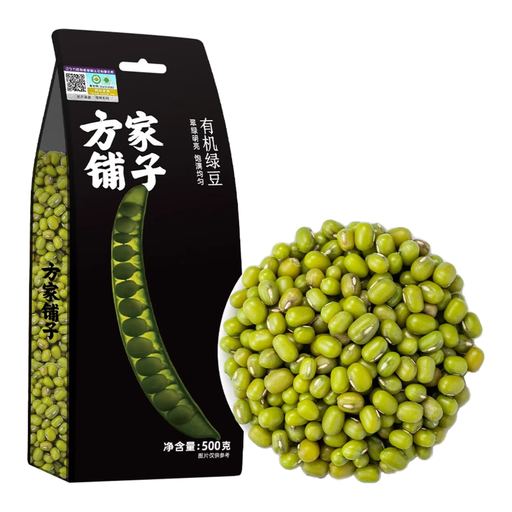
Why This Fits Their Persona: This is for the cook who wants to create traditional Asian food ingredients from scratch, like a cooling summer soup or a rich bean paste for desserts. They value control over the final texture and flavour.
By providing the whole, unprocessed bean, it eliminates the risk of accidentally buying starch or a blended product. You get exactly what you need for recipes that call for whole dried mung beans.
The beans are organic and selected for their plump, full grains, which cook down to a desirable soft, "sandy" texture ideal for soups and congees.

Why This Fits Their Persona: This is for the adventurous cook looking to create specific textures, such as the wobbly, cool jelly for a summer salad or the perfectly chewy, flavour-absorbing noodles for a hot pot or stir-fry.
This product is 100% Mung Bean Starch, not a blended flour. This purity is non-negotiable for achieving the correct transparent, gelatinous or chewy texture that defines dishes like liangfen.
It's incredibly versatile for texture-focused cooking. When cooked, it becomes smooth and absorbent, making it a perfect vehicle for the sauces and broths in your favourite Chinese grocery UK recipes.
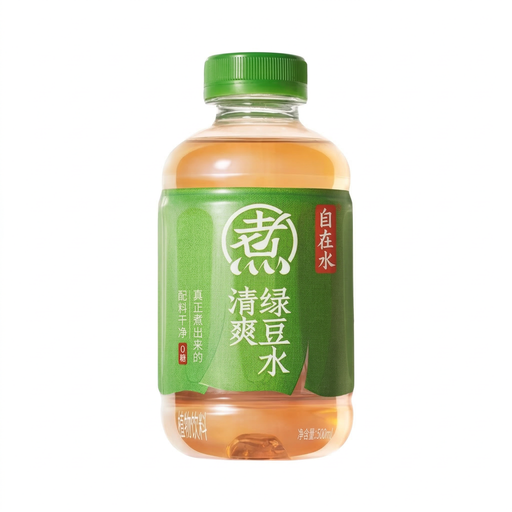
Why This Fits Their Persona: For those who appreciate the refreshing qualities of mung bean but have zero time for soaking and boiling. This is the ideal grab-and-go option for a light, cooling drink on a warm day or after a meal.
It completely bypasses any preparation. As a ready-to-drink beverage, it delivers the desired flavour instantly, avoiding the pitfall of buying raw ingredients for a quick refreshment.
It has a clean ingredient list with zero sugar, zero fat and zero calories. It's naturally sweetened with monk fruit, offering a pure, clean taste without any additives.
We have compiled a complete, real-time list of products that fully satisfy these strict selection criteria and UK safety regulations.
Here are answers to a few common questions UK shoppers have about mung beans.
While not strictly mandatory, soaking dried mung beans for at least 2-4 hours (or overnight) in cold water is highly recommended. This step significantly reduces the cooking time needed to make them soft and tender. It also helps make them easier to digest.
This is a frequent point of confusion as both are popular in Asian desserts. They are, however, entirely different legumes. Green mung beans are smaller and have a mild, earthy flavour. Red adzuki beans are slightly larger, with a distinctly sweeter and nuttier taste. They are not interchangeable in most recipes.
The most reliable indicator is the ingredient list. High-quality "glass noodles" should be made from just mung bean starch and water. When cooked, they will become almost completely transparent, with a springy, chewy bite. If the ingredients include wheat, corn or potato starch, the noodles will likely be more opaque and have a softer, less bouncy texture.