
24/7 Customer Support

Free returns

Same-day & Next-day Delivery

Quality Guaranteed

Unlock Your Welcome Offers: FREE Delivery | Up to 80% OFF | Free 30-day JoyPlus trial
Download the APP
Whether you are a dedicated athlete pushing for a new personal best, a runner pounding the pavements of London or an office worker feeling the strain of a sedentary desk job, muscle soreness and tension can be a persistent issue. A quality muscle massager can be a valuable tool for post-workout recovery and daily relief.
However, the market is flooded with options, and it is easy to fall for marketing hype. As a Joybuy Product Recommendation Officer, my role is to help you cut through the clutter. Before you buy, be aware of these common pitfalls that lead to disappointing purchases.
To make an informed choice, focus on the technical specifications that directly impact performance. Ignore the marketing jargon and check these three non-negotiable parameters.
The single most important specification for a percussion massage gun is its amplitude (or stroke length). This measures how far the head travels back and forth.
Stall force is the amount of pressure you can apply to the massager before the motor stalls and stops moving. A device with a low stall force will stop working the moment you press it firmly into a large muscle like your glutes or quads, rendering it ineffective. A higher stall force (e.g., 15-20 kg or more) indicates a more robust motor that can handle the pressure required for a proper deep tissue massage. This is a far better indicator of a motor's quality than its RPM.
Not all muscle recovery tools are the same. The main types serve different purposes:
Based on these practical criteria, here are some recommendations tailored to different user needs and lifestyles.
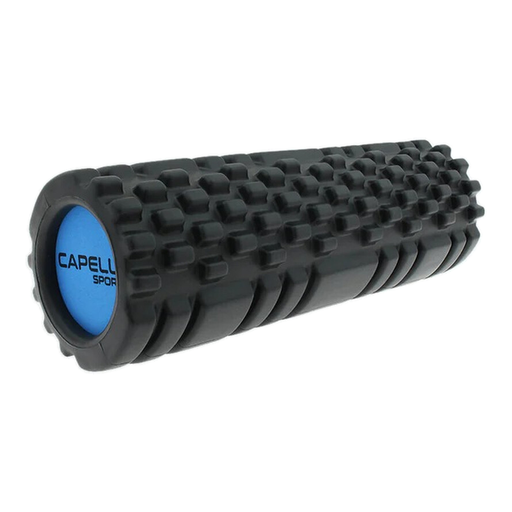
Why This Fits Their Persona: Perfect for those new to muscle recovery or on a budget. It provides effective myofascial release for large muscle groups like legs and back without the complexity or cost of an electric device. It is a foundational tool for any fitness routine.
This manual tool sidesteps the pitfalls of misleading battery life and over-hyped motor specs. Its effectiveness is based on simple, reliable high-density foam and your own body weight.
Durable high-density PVC and PE construction maintains its shape. It is lightweight and includes a nylon mesh carry bag for easy transport to the gym or park.
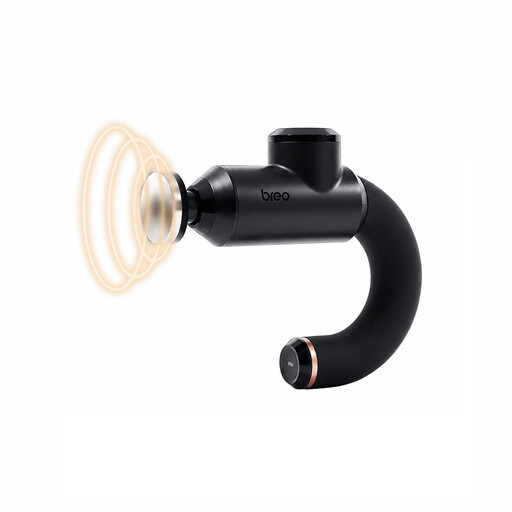
Why This Fits Their Persona: For those who train regularly and require serious post-workout recovery. Its combination of heat, high stall force and deep amplitude is designed to target muscle soreness effectively after intense sessions.
Instead of focusing on raw RPM, this model delivers a meaningful 12 mm amplitude and up to 19 kg stall force, ensuring it provides true deep tissue percussion without stalling under pressure.
Heats in just 5 seconds for enhanced muscle relaxation. It also includes six specialised heads, including a heated head and blade-shaped head for precision work on different muscle groups.
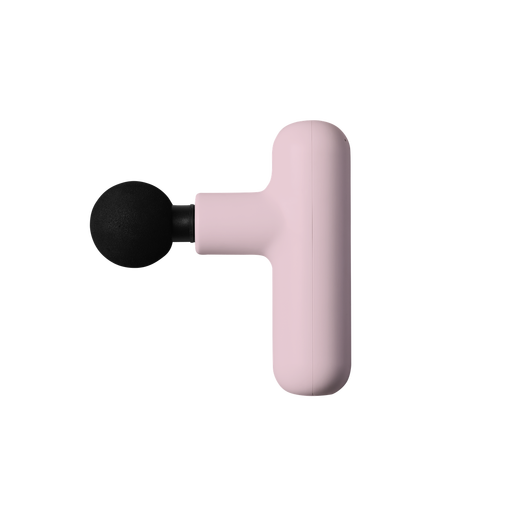
Why This Fits Their Persona: Ideal for frequent travellers or those needing relief from desk-related tension. Its compact, lightweight frame (approx. 453g) makes it easy to pack in a gym bag, carry-on or work tote for quick relief anywhere.
This device prioritises practical ergonomics and portability. It is light enough to use on your own shoulders and back without fatigue, addressing a common flaw in heavier, bulkier models.
Features convenient USB-C charging and four intensity levels up to 3000 RPM, offering a good balance of power and portability for everyday use.
Neither is inherently "better"; they serve different functions. A foam roller is excellent for warming up and treating large muscle areas generally. A percussion massage gun is superior for targeting specific, deep knots and providing intense, localised relief. Many athletes use both as part of a comprehensive recovery routine.
The lifespan of an electric massager depends on the motor quality and battery. A well-made device from a reputable brand should last for several years with proper care. Look for models with solid construction and check the warranty period. For manual tools like foam rollers, a high-density model should resist compressing or losing its shape for a long time, even with heavy use.
For general soreness and tightness, daily use is typically fine. It is advisable to listen to your body. Limit sessions on any single muscle group to a few minutes to avoid over-stimulation or bruising. If you have a specific injury or medical condition, it is always best to consult a healthcare professional before starting to use any new recovery tool.