
24/7 Customer Support

Free returns

Same-day & Next-day Delivery

Quality Guaranteed

Unlock Your Welcome Offers: FREE Delivery | Up to 80% OFF | Free 30-day JoyPlus trial
Download the APP
Whether you're a dedicated runner, a regular at the gym or someone who feels the strain of sitting at a desk all day, muscle soreness and tightness are common complaints. While professional sports massages are beneficial, having effective at-home muscle recovery tools can make a significant difference in your daily comfort and athletic performance.
Navigating the options can be confusing. From a simple foam roller to a targeted spiky massage ball, how do you know which is right for you? This guide is designed to cut through the clutter, offering practical advice to help you select a tool that fits your specific needs for post-workout recovery and general muscle relief.
Before you make a choice, it's helpful to understand the key differences between the types of tools available. Considering these factors will ensure you find a product that delivers the results you're looking for.
The most common choice is between a roller and a ball, and each serves a distinct purpose.
The firmness of your tool plays a crucial role in the intensity of the massage.
The size of your tool affects both its function and convenience. A longer foam roller (e.g., 60cm or more) offers more stability, making it easier to use when rolling out your back or both legs simultaneously. A shorter roller (e.g., 30cm) is more portable, fitting easily into a gym bag, and is also well-suited for targeting individual limbs like arms or calves.
Based on their features, materials and user applications, here are some standout options to consider for your recovery routine.
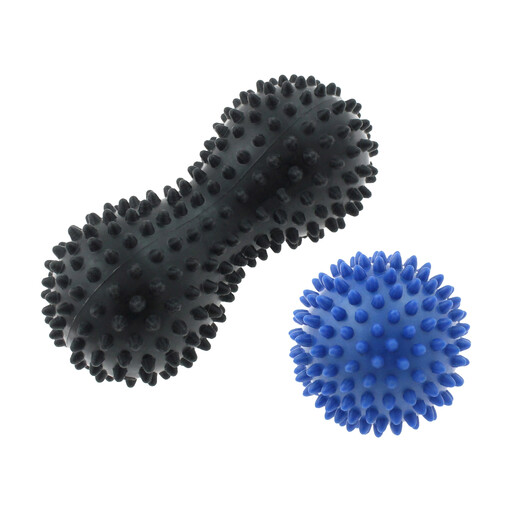
Why It Stands Out: This set offers excellent versatility by combining two different tools in one package. You get a smooth, hard ball for deep trigger point massage and a spiky massage ball for stimulating circulation and working on sensitive areas like the arches of your feet. This dual approach allows you to customise your recovery session based on what your body needs that day.
Pros:
Who is it for?: Anyone seeking a targeted solution for muscle knots. It's particularly useful for runners to relieve foot tension, office workers with shoulder and neck tightness and individuals who need precise pressure on their glutes or hips.
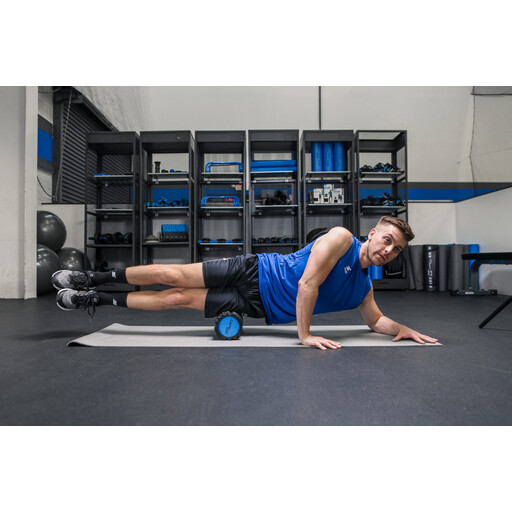
Why It Stands Out: This roller strikes a great balance between performance and portability. Its high-density construction ensures it provides a firm, effective deep tissue massage without losing its shape. The 30cm length is perfect for packing in a gym bag, while the textured surface helps to work into the muscle for effective myofascial release.
Pros:
Who is it for?: Active individuals who want a reliable muscle roller for both home and gym use. It's an excellent choice for runners, cyclists and yoga or Pilates practitioners looking to aid their post-workout recovery.
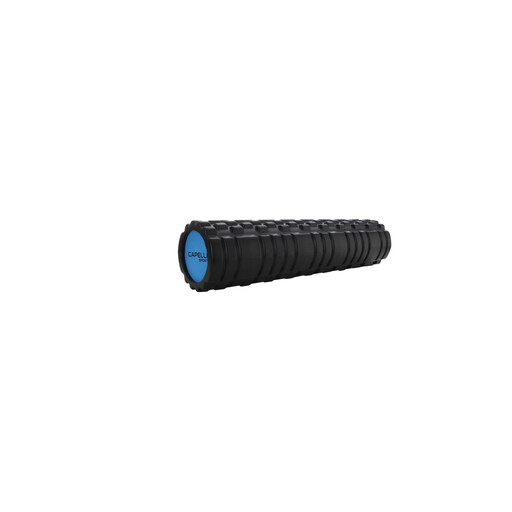
Why It Stands Out: The primary advantage of this roller is its generous 61cm length. This provides a stable platform that is ideal for exercises that target the back, as it can span your entire shoulder width. It's also easier for beginners to balance on when rolling out larger muscle groups like the hamstrings and quads.
Pros:
Who is it for?: Those who plan to do most of their foam rolling at home and want a tool that excels at full-body routines. It's especially good for anyone looking to relieve back tension or those new to rolling who would benefit from the added stability of a longer roller.
These recommendations cover some of the most popular and effective types of recovery tools, but everyone's needs are different. If you're looking for a different size, density or style, there are many other choices available.
Explore our full collection of sports rollers and find the perfect tool to support your recovery journey.
What is the difference between a foam roller and a massage ball? A foam roller is best for large muscle groups like your legs and back, providing broad, sweeping pressure. A massage ball is for targeted relief, allowing you to apply deep, precise pressure to specific knots or trigger points in areas like your shoulders, feet and hips.
How often should I use a muscle roller? For general maintenance and flexibility, using a roller for 5-10 minutes daily can be beneficial. For post-workout recovery, focus on the muscle groups you've just trained. The most important thing is to listen to your body—if you feel sharp pain, ease off the pressure or stop. Consistency is more important than intensity.
Is a high-density foam roller better? Not necessarily—it depends on your experience and tolerance. A high density foam roller offers a more intense, deep tissue massage, which can be very effective for releasing stubborn knots. However, if you are new to self-massage, this intensity might be uncomfortable. A softer roller can be a better starting point, allowing your muscles to adapt before you progress to a firmer tool.