
24/7 Customer Support

Free returns

Same-day & Next-day Delivery

Quality Guaranteed

Unlock Your Welcome Offers: FREE Delivery | Up to 80% OFF | Free 30-day JoyPlus trial
Download the APP
A warm bath can be a simple way to unwind after a long shift, a gym session or a day spent on your feet. However, choosing a muscle relief bath soak is not as straightforward as comparing large labels and attractive fragrance descriptions. Bath products vary considerably in their ingredients, intended use, dosage and skin feel.
Before buying, it is worth looking beyond claims about “therapy”, “recovery” or “detox”. The right product should match your routine, skin preferences and tolerance for fragrance, while offering clear directions for use.
Magnesium bath flakes, magnesium chloride, Epsom bath salts and sea salt are different ingredients. Epsom salt is magnesium sulphate, while many magnesium flakes contain magnesium chloride. A bubble bath may contain minerals alongside cleansing agents and fragrance, but it is not equivalent to a single-ingredient mineral soak.
Do not assume that adding more product will provide better results. Follow the dosage printed on the packaging, particularly when using a concentrated powder or flake product.
Terms such as “detox”, “healing”, “clinically proven” or “replenishes magnesium levels” can sound more significant than the product’s actual function. A bath soak is a cosmetic or general consumer product, not a treatment for an injury or medical condition.
Warm water, time away from screens and a pleasant scent may help you feel relaxed. Persistent pain, swelling, unusual stiffness or a suspected injury requires appropriate medical advice rather than relying on a muscle recovery bath soak.
Herbal oils and perfume can make a bath feel more enjoyable, but ingredients such as linalool, limonene, geraniol and other fragrance allergens may not suit everyone. A strongly scented herbal bath soak may be less appropriate for reactive or sensitive skin than an unscented mineral formula.
Check the full ingredient list and warnings before purchase. Patch testing a small area and using a shorter soak can be sensible if you are trying a new product.
For a straightforward mineral product, look for a clearly listed ingredient such as magnesium sulphate or magnesium chloride hexahydrate. Westlab Health Epsom Bath Salt lists magnesium sulphate as its ingredient, while Better You Magnesium Flakes Muscle Relief & Recovery Powder lists magnesium chloride hexahydrate flakes.
If you prefer bubbles and fragrance, a liquid bath soak may be more suitable. Radox muscle soaks combine water-based cleansing ingredients, minerals, botanical ingredients and perfume to create foam under running water. This gives a different bathing experience from pure flakes or salts.
A 1kg bag may appear economical, but some flake products recommend approximately 200–250g per bath. That means the number of uses depends on the stated dosage, not simply the pack weight. Liquid products may require a “generous amount”, so compare the instructions when assessing ongoing cost.
For a foot soak, check whether the product provides separate guidance. A smaller pack can be useful for occasional use, while a larger bag may suit regular post-workout bathing.
For a sensitive skin bath soak, prioritise a simple ingredient list, pH information and clear irritation warnings. Fragrance-free magnesium flakes can be easier to assess than blends containing several essential oils.
Those seeking a sleep bath soak may prefer lavender or chamomile notes as part of a relaxing bedtime routine. This can support the atmosphere of an evening bath, but fragrance should not be treated as a guaranteed sleep aid.
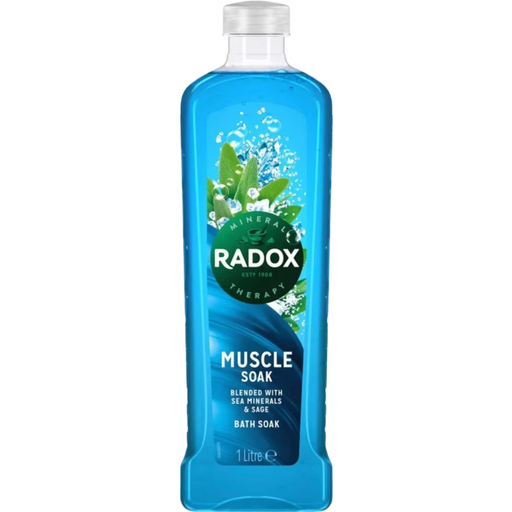
Why This Fits Their Persona: A 1-litre liquid soak suits shoppers who want a familiar bubble-bath format for occasional relaxation after work or exercise.
The product description identifies its mineral, herb and fragrance blend, so buyers can distinguish it from a pure Epsom salt or magnesium flake formula.
1-litre capacity, rich bubbles under running water, thyme fragrance and pH skin-neutral positioning.
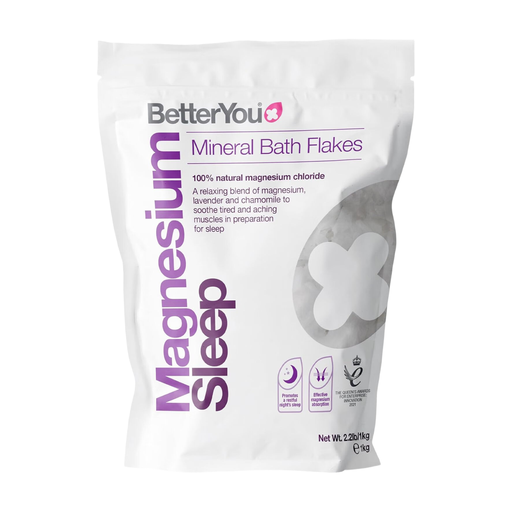
Why This Fits Their Persona: Suitable for adults who want a large-format mineral soak with lavender and chamomile for an evening wind-down ritual.
The ingredient list names magnesium chloride flakes, lavender oil and chamomile oil, making the fragrance profile and allergen information easier to check.
1kg pack, lavender and chamomile oils and stated guidance for both full baths and foot soaks.
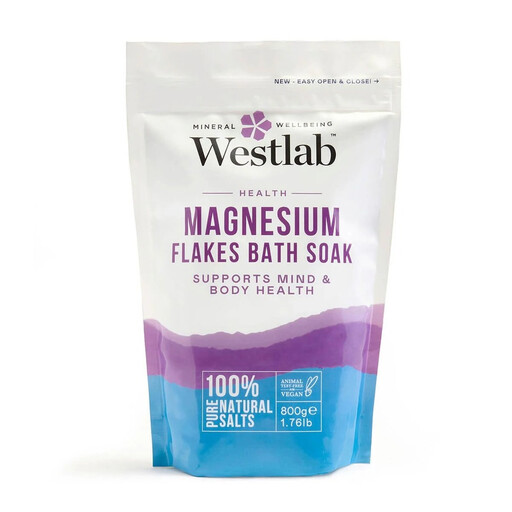
Why This Fits Their Persona: A practical choice for frequent bath or foot-soak users who prefer a single-ingredient magnesium chloride product.
Its stated dosage range is 200–800g per bath, helping frequent users calculate consumption rather than relying on vague “generous amount” wording.
Pure magnesium chloride ingredient, 800g format and suitability for a full bath routine with clear storage instructions.
We have compiled a complete, real-time list of products that fully satisfy these strict selection criteria and UK safety regulations.
No. Epsom bath salts contain magnesium sulphate, while magnesium flakes commonly contain magnesium chloride. Both dissolve in warm water, but they are different substances. Compare the ingredient list and follow the individual product directions.
Many products suggest around 15–20 minutes, although the packaging should take priority. Leave the bath if you feel uncomfortable, dizzy or irritated, and take care when entering or exiting because oils and salts can make the surface slippery.
Some products are formulated with pH information or skin-focused ingredients, but suitability varies. Fragrance-free or simpler formulas may be easier to assess. Always read the current packaging, avoid broken skin and discontinue use if irritation occurs.