
24/7 Customer Support

Free returns

Same-day & Next-day Delivery

Quality Guaranteed

Unlock Your Welcome Offers: FREE Delivery | Up to 80% OFF | Free 30-day JoyPlus trial
Download the APP
Whether you're a dedicated gym-goer, a runner pounding the pavements or someone who feels the strain of a desk job in your back and shoulders, muscle tightness is a common complaint. A quality muscle roller has become a go-to muscle recovery tool for many, promising to ease soreness and improve flexibility.
However, the market is flooded with options, and it's easy to make a poor choice. Many shoppers find themselves with a product that is either ineffective or falls apart after a few uses. Before you buy, it's crucial to understand the common pitfalls that lead to wasted money and continued discomfort.
To ensure your purchase is a lasting and effective one, focus on these core parameters. They are the non-negotiable factors that separate a useful tool from a disappointing one.
The material of a roller directly impacts its performance and lifespan. Don't be swayed by colour or shape alone; the density is what matters for effective pressure.
The effectiveness of a foam roller or massage stick depends on using the right shape for the right muscle group.
For those seeking to enhance their post-workout recovery, some modern rollers incorporate technology.
To help you navigate the options, we've matched a few standout products to different user needs, focusing on how they address the common buying traps.
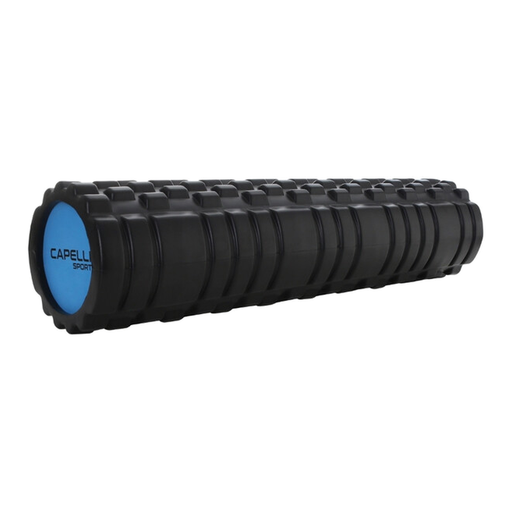
Why This Fits Their Persona: This is a classic, no-nonsense tool for anyone serious about their fitness. The 61cm length provides ample surface area for full-body routines, making it perfect for rolling out large muscle groups like the back and legs after a run or gym session.
Constructed from high-density PVC and PE materials, it directly counters the "density deception." It's built to maintain its shape and firmness, ensuring it remains an effective tool for deep tissue work over the long term.
Its simple, smooth surface provides consistent, even pressure for effective myofascial release without the high cost of unnecessary textures. It includes a carry bag for easy transport to the gym.
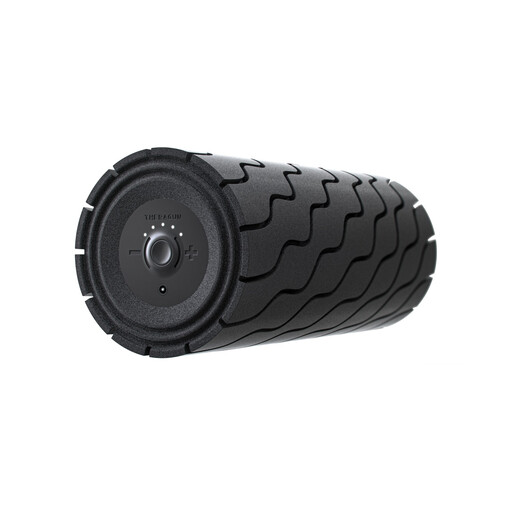
Why This Fits Their Persona: For the athlete or fitness enthusiast who views recovery as an integral part of their training. This roller's customisable vibration settings and app connectivity provide a structured, enhanced recovery experience that goes beyond basic rolling.
While a premium item, its features are functional, not gimmicky. The five vibration settings and durable, high-density foam construction are purposeful design choices aimed at delivering a more advanced and effective recovery session.
Combines the pressure of a firm foam roller with powerful vibration to accelerate recovery. Bluetooth connectivity with the Therabody app offers guided routines for a more controlled session.
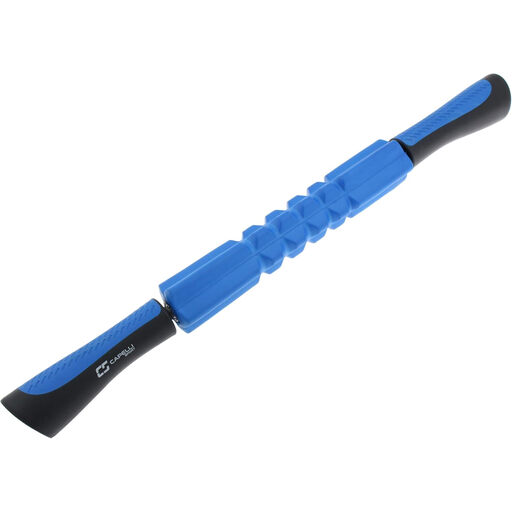
Why This Fits Their Persona: Perfect for travellers, office workers or anyone needing quick, targeted relief without lying on the floor. Its handheld design allows for precise pressure control on the quads, calves, neck and shoulders, making it a highly convenient tool.
This stick avoids the "one-size-fits-all" trap by being a specialised tool. It isn't trying to be a back roller; it excels at its specific purpose of providing controlled, handheld massage to accessible muscle groups.
The ergonomic handles provide a comfortable and secure grip, allowing you to apply significant pressure with minimal effort. Its durable PVC construction ensures long-lasting performance.
We have compiled a complete, real-time list of products that fully satisfy these strict selection criteria and UK safety regulations.
For general post-workout recovery, using a roller for 5-10 minutes on the muscles you've worked can be beneficial. If you're addressing tightness from a sedentary job, a few minutes of rolling on problem areas like your back and shoulders each day can help. It's important to listen to your body; rolling should feel intense but not sharply painful. Avoid rolling directly over bones or joints.
A high-quality roller made from high-density EPP or EVA foam is designed to withstand regular use for years without deforming. Cheaper models, often made from low-density EPE foam, can develop flat spots or soften considerably within a few months, which significantly reduces their effectiveness. Always check the material specifications before purchasing to ensure longevity.
This depends on your personal preference and goals. A smooth roller provides broad, uniform pressure across the muscle, which is excellent for a general massage and is often recommended for beginners. A textured roller, with its knobs and ridges, is designed to mimic the fingers and thumbs of a massage therapist, providing a more intense, targeted deep tissue massager effect on specific trigger points. If you are new to rolling, a smooth surface is a reliable starting point.