
24/7 Customer Support

Free returns

Same-day & Next-day Delivery

Quality Guaranteed

Unlock Your Welcome Offers: FREE Delivery | Up to 80% OFF | Free 30-day JoyPlus trial
Download the APP
Whether you're a dedicated runner, a regular at the gym or someone who feels the strain of a desk job in your shoulders, you've likely considered a muscle roller. These tools are mainstays in post-workout recovery routines for a reason. But the market is flooded with options and it's easy to make a purchase you'll regret.
As the Joybuy Product Recommendation Officer, my role is to help you navigate the clutter. Many people buy a recovery tool only to find it gathers dust because it’s either ineffective or ill-suited to their needs. Let's look at the common pitfalls to avoid so you can find a tool that becomes an essential part of your routine.
To make a smart choice, you need to understand what separates a genuinely useful recovery tool from a piece of ineffective plastic. Focus on these key parameters.
The material dictates the intensity of the massage. Understanding the differences is key to matching the tool to your experience level and needs.
A single roller can't do everything. The form factor determines which areas of the body you can effectively target.
The surface of a roller changes how pressure is applied to the muscle.
Based on these practical criteria, here are a few options from our catalogue matched to different user needs.
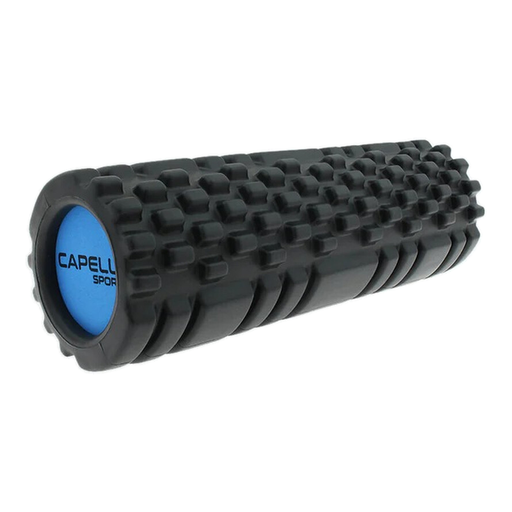
Why This Fits Their Persona: This is a no-nonsense, effective tool for general post-workout recovery. Its compact size is perfect for use at home or carrying to the gym, fitting easily into a typical UK flat or gym locker.
Its high-density construction avoids the "too soft" pitfall, ensuring it provides effective pressure. The 30cm length is a practical choice that avoids the "too bulky" design flaw.
Made from firm PVC and PE materials for deep tissue relief. Includes a nylon mesh carry bag for enhanced portability.
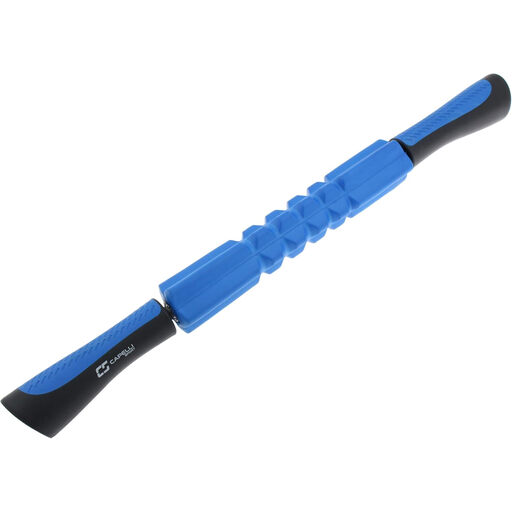
Why This Fits Their Persona: Runners often need to work on tight calves, quads and IT bands. A massage stick provides the targeted pressure and control that a traditional foam roller can't offer for these specific muscle groups.
This is a specialised tool, not a "one-size-fits-all" solution. It's designed for targeted relief, making it far more effective for limbs than a generic, bulky roller.
Ergonomic handles allow for easy self-massage with controlled pressure. Its durable PVC construction and 21-inch size make it both reliable and portable.
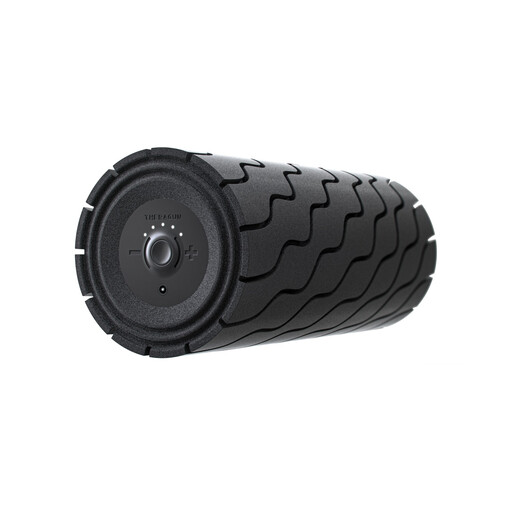
Why This Fits Their Persona: For those who want to maximise their recovery with the aid of technology. This vibrating roller adds another layer of intensity and relief that a standard, static roller cannot provide.
It moves beyond basic pressure, addressing the pitfall of a standard roller feeling ineffective. The customisable vibration provides a more advanced form of muscle treatment.
Features 5 customisable vibration settings and a wave-textured surface for enhanced traction. Bluetooth connectivity allows for app-controlled, guided recovery routines.
We have compiled a complete, real-time list of products that fully satisfy these strict selection criteria and UK safety regulations.
For general post-workout recovery, using a roller for 5-10 minutes immediately after your session can be beneficial. For addressing chronic tightness, you might find that daily use for a few minutes on the target area yields good results. Listen to your body; if you feel sharp pain, stop.
Yes, if used incorrectly. Avoid rolling directly over joints (like your kneecap or elbow) or bones (like your spine or shins). Focus on the fleshy part of the muscle. Also, avoid rolling over an acute injury, as this can worsen inflammation. If you feel sharp, shooting pain, ease off the pressure or stop completely.
A soft, low-density roller will feel cushioned and will compress significantly under your body weight. The sensation is one of a gentle, broad massage. A high-density roller feels very firm with minimal give. It provides a much more intense, targeted pressure that can feel uncomfortable at first but is more effective at reaching deep muscle tissue and trigger points. Beginners should consider starting with a medium-density roller to acclimatise.