For a family mushroom tart, start with a fan-assisted built-in single oven if one cavity usually accommodates the meal. Consider a double oven when accompanying dishes regularly need a separate temperature or schedule; a countertop convection oven is worth considering when avoiding cabinet installation matters more than full-size capacity, provided your tart tin fits. Whichever format you choose, check usable shelf space and the kitchen's electrical requirements rather than relying on the fan label or advertised capacity alone.
Who each oven needs to suit
Family-meal tart bakers
If one full-size savoury tart is the main oven task, look for a fan mode and enough usable shelf space for your tin. Check the exact model's dimensions and controls: a fan label alone cannot tell you how a particular tart will bake.
Multi-dish weekend cooks
If sides, a main course or dessert often need a different temperature or timing from the tart, independently controlled cavities may help you coordinate the meal. Check the usable space in each cavity, not just their combined capacity.
Low-maintenance kitchen upgraders
If pastry and filling spills make cleaning a regular chore, compare the exact cleaning method and removable parts alongside cooking modes. Cabinet fit and electrical installation also matter before replacing a built-in oven.
What matters when choosing
Built-in single fan oven
Choose it when: One cavity normally gives your tart and the rest of the meal enough cooking space.
Trade-off: Another dish cannot cook at a different oven temperature independently in the same cavity.
Double oven
Choose it when: You regularly need the tart and another dish cooking on separate schedules or at different temperatures.
Trade-off: The second cavity may be smaller, and the installation must suit the chosen built-in or built-under format.
Countertop convection oven
Choose it when: Avoiding built-in cabinet work matters more than having a full-size cavity.
Trade-off: Its internal rack or tray may restrict tart-tin size and leave less room for accompanying dishes.
| Concern |
What to check |
Who this matters to |
| Tart baking and temperature control |
Confirm the exact fan mode and temperature controls; consult independent heat-distribution tests where available. |
If I am baking pastry and filling together, I want controls I can set for my recipe without assuming every fan oven behaves alike. Around 31% of consumers put baking control first. |
| Tin fit and meal capacity |
Compare your tart tin with usable shelf or tray dimensions; check whether separate cavities have independent controls. |
When other dishes share the family meal, I need room for the tart and a workable cooking schedule. For around 31% of consumers, meal capacity is the primary concern. |
| Cleaning after repeated use |
Identify the model's cleaning system and check the care instructions and removable parts. |
After frequent savoury bakes, I would rather manage routine spills than choose functions I rarely use. Cleaning comes first for around 23% of consumers. |
| Kitchen fit and electrical supply |
Check the cabinet opening or countertop clearances, connection requirements and supplied energy information. |
If I am replacing an oven, I need it to fit the kitchen and connect appropriately before its cooking modes matter. Around 15% of consumers prioritise those installation and energy-information checks. |
Checks that prevent a poor fit
-
Choosing by external width or cavity litres alone
A tart tin must fit the usable shelf or tray space, while a built-in oven must fit its specified cabinet opening. For example, AEG UK lists a 590 × 560 × 550 mm built-in opening for the OU5AB20CM; that is a requirement for that model, not a standard for every oven.
Measure your tin and cabinet, then compare both with the exact model's installation instructions and shelf dimensions.
A mismatch may mean altering the existing cabinet.
-
Assuming an electric oven uses an ordinary plug
Connection requirements vary by model. AEG UK specifies a hardwired-only connection for the OU5AB20CM, and Electrical Safety First advises having ovens fitted by a qualified electrician.
Check the model's connection instructions and the existing kitchen circuit before ordering; arrange qualified electrical work where needed.
Installation may require an electrician or work on the circuit.
-
Treating every cleaning label as the same system
Steam-assisted cleaning, catalytic liners and pyrolytic cycles have different operating instructions. A cleaning feature's name does not tell you what routine care it replaces.
Identify the method on the exact model and read its care instructions before deciding whether it suits your cleaning routine.
-
Overlooking seller details and recall registration
Seller support and the ability to receive safety-recall information matter after installation. Electrical Safety First advises buying from a reputable retailer, following the manufacturer's instructions and registering the appliance.
Check the exact model and warranty information, retain proof of purchase and register the oven after installation.
Relevant brands to consider
These brand ranges offer models worth comparing, but their cooking and fitting details must be checked on the individual oven.
AEG
AEG's built-in range includes true-fan models for shoppers comparing single-oven capacity, installation dimensions and cleaning systems.
- AEG UK specifies a 65 L cavity, true-fan cooking and Aqua Clean for the OU5AB20CM.
- The same model is hardwired-only; check the chosen AEG model's fit and connection rather than extending those specifications across the range.
Bosch
Bosch offers built-in single and double ovens for kitchens where shelf use or separate cavities affect meal planning.
- Bosch Home UK says compatible 3D Hotair models allow cooking on up to three shelves at once.
- That feature description does not establish tart-baking results or the usable space of every Bosch oven; compare exact models.
NEFF
NEFF's built-in CircoTherm range is relevant when cooking on several levels is part of a family meal.
- NEFF UK describes the B1GCC0AN0B as supporting baking on up to three levels.
- Check that model's cavity dimensions and electrician-connection instructions against your kitchen and tart tin.
Joybuy ovens for this meal
These built-in single ovens suit a meal usually cooked in one cavity; the built-in double oven is an option to examine when separate cooking spaces matter. Compare your tart tin and kitchen installation with the exact model before choosing.
 No image available
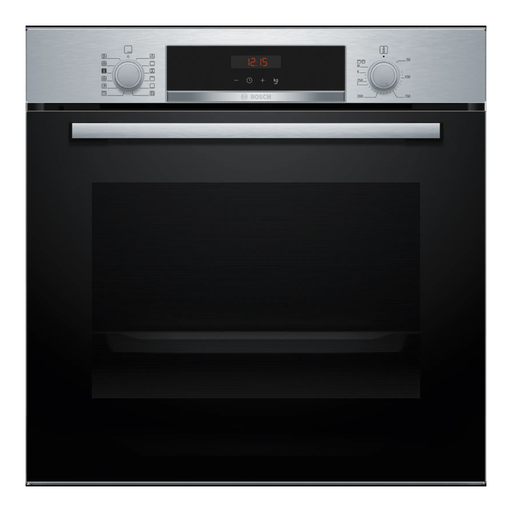
Bosch HQA574BS3B Series 4 pyrolytic single oven
Consider this built-in single oven if one cavity normally covers the tart and the rest of your oven cooking.
Its product name specifies pyrolytic cleaning. Check usable shelf dimensions against your tart tin, and confirm the cabinet opening and electrical requirements before installation.
View on Joybuy
 No image available
Bosch HHF113BA0B Series 2 built-in single oven, black
This single-cavity electric oven is an option when the tart does not need a separately controlled second oven.
Check the usable shelf space, cooking controls and cabinet fit for this model before deciding whether it accommodates your meal.
View on Joybuy
 No image available
Belling BEL BI903MFC 90 cm built-in double oven
Consider the double-oven format if your family meal regularly calls for the tart and another dish to occupy separate cavities.
The product name specifies a 90 cm built-in model. Check that your tart tin fits the intended cavity and confirm the controls, housing dimensions and electrical connection.
View on Joybuy
 No image available
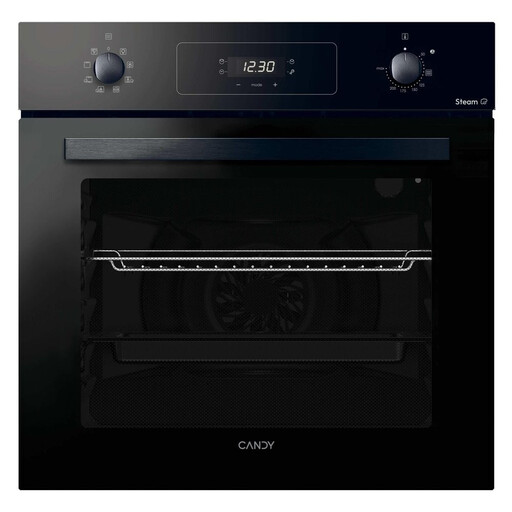
Candy FIDCN605 65 L built-in single oven, black
This single-cavity oven is worth comparing if one oven space usually accommodates your family tart meal.
Its stated capacity is 65 L, but that figure does not establish tart-tin fit. Confirm usable shelf dimensions and the exact electrical connection in the model instructions before ordering.
View on Joybuy
 No image available
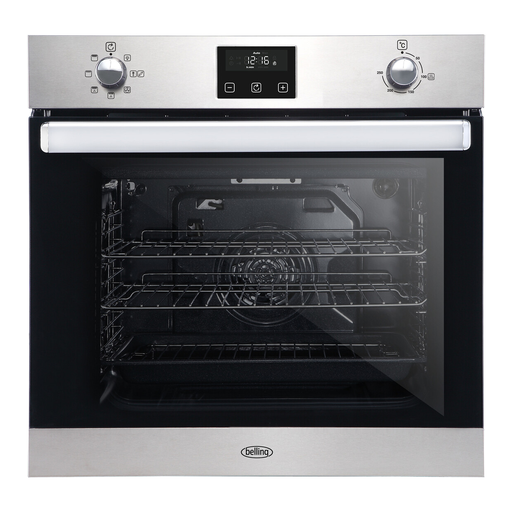
Belling BEL BI602FP built-in single oven, stainless steel
This electric single oven suits consideration when your tart and accompanying dishes can use one cavity.
Before choosing it, compare your tin with the usable shelf dimensions and check the model's temperature controls, cabinet opening and connection instructions.
View on Joybuy
Frequently asked questions
Is a fan-assisted oven a sensible choice for a mushroom tart?
Yes, it is a sensible starting point: fan systems circulate hot air through the cavity. Check the exact oven's fan mode, usable tray space and temperature controls, because a fan label does not guarantee the same baking result across models.
Do I need a double oven for a family mushroom tart?
Not if one suitably sized cavity normally handles the meal. A double oven becomes more relevant when the tart and another dish regularly need separate temperatures or schedules; check each cavity's usable dimensions and controls before choosing.
Should an electrician install a built-in electric oven?
Check the exact oven's connection instructions and the existing kitchen circuit before arranging installation. Electrical Safety First advises having ovens fitted by a qualified electrician; a model specified for hardwired connection should not be treated as a plug-in appliance.
What should I do before using a newly installed oven regularly?
Read the manufacturer's operating and cleaning instructions and register the appliance so you can be contacted about safety recalls, as Electrical Safety First advises. If a breaker trips, a fuse blows or you notice signs of an electrical fault, stop using the oven and seek qualified help.


