
24/7 全天候客户支持

免费退货

当日/次日达

品质保障

开启新人专享福利: 全场免邮 | 低至 2 折 | 免费试用 30 天 JoyPlus 会员
下载 Joybuy
Choosing Myprotein high-protein food and supplements can make meal planning, training nutrition and race-day fuelling more convenient. However, attractive packaging and performance-focused wording do not always tell you whether a product suits your routine, dietary requirements or budget.
For UK shoppers, the important questions are practical: how much protein or carbohydrate does one serving provide, what allergens are present, how should it be stored, and can you realistically use it when needed?
A protein snack or amino acid powder may be useful between meals, but it does not automatically provide the same range of nutrients as a balanced meal. Check the full nutrition panel rather than relying on phrases such as “protein-packed”.
For example, the Myprotein 4 Pack Korean BBQ Chicken Skewers provide 31.3g of protein per skewer, while the Cookie Crunch Layered Ice Cream Bar provides 5.6g per bar. Both may have a place in a routine, but they serve different purposes.
Myprotein protein powder, BCAA powder, EAA powder and a recovery supplement have different ingredient profiles. Whey protein provides protein, while amino acid supplements provide selected amino acids without being a complete meal or necessarily replacing a conventional protein serving.
A product’s serving size also matters. A 5g BCAA serving cannot be compared directly with a 20g protein serving simply because both are sold as sports nutrition supplements.
Frozen high-protein meals must generally be kept at -18°C or colder, and should not be refrozen after thawing. Supplements may contain milk, soya or other ingredients, or may be produced in a facility handling allergens.
Always check the packaging before purchase and consumption. Formulations, instructions and allergen statements can change.
Start with the serving-level figures, not just the amount per 100g. A convenient post-workout meal should be assessed by what you will actually eat.
Examples include:
For endurance training, carbohydrate content may be more relevant than protein. An energy gel is intended for use during or around intense exercise, whereas a frozen chicken meal is more suitable as part of a normal meal plan.
Under UK food-labelling requirements, allergens should be clearly emphasised in the ingredients or allergen statement. Check for milk, wheat, gluten, soya, sesame, egg, mustard and nuts, particularly if you have an intolerance or allergy.
Vegetarians and vegans should distinguish between products marked as suitable for those diets and products that merely contain no obvious meat ingredient. The Impact EAA and BCAA options listed here are described as suitable for vegetarians and vegans, but some products may state that they are made in a facility that also handles milk.
Choose the format that fits your habits:
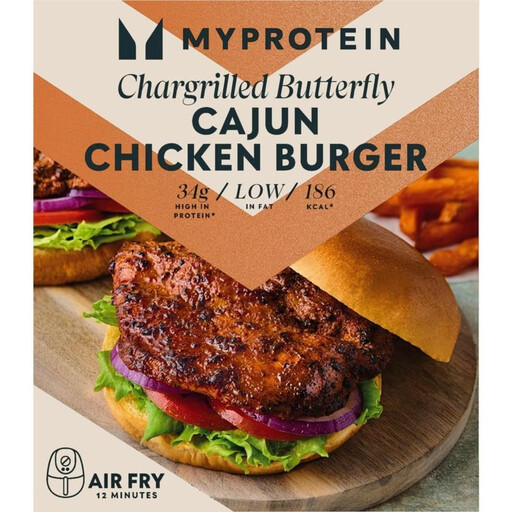
Why This Fits Their Persona: A straightforward frozen chicken meal option for shoppers building a high-protein routine without preparing meat from scratch.
The label states 26.4g of protein per 100g, so the protein content is easy to compare with other high-protein chicken meals.
Frozen, ready to cook and listed at 143 kcal per 100g; contains wheat, which is clearly identified.
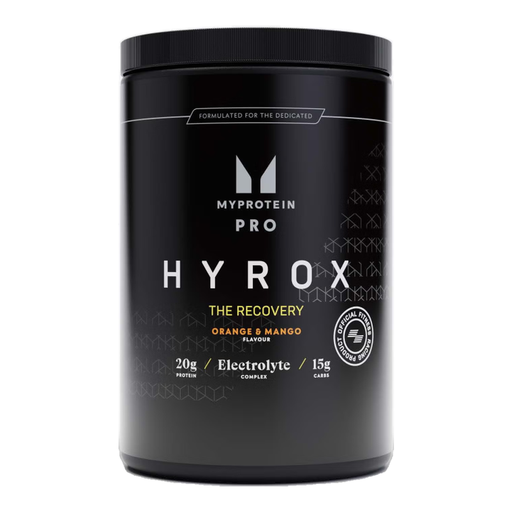
Why This Fits Their Persona: Suits active adults wanting one powder combining protein, carbohydrate and listed electrolytes after demanding training.
The serving panel specifies 20g protein, 15g carbohydrate and 966mg of listed electrolytes rather than relying only on recovery language.
One-scoop format, 16 servings and a vegetarian-friendly formulation; contains milk.
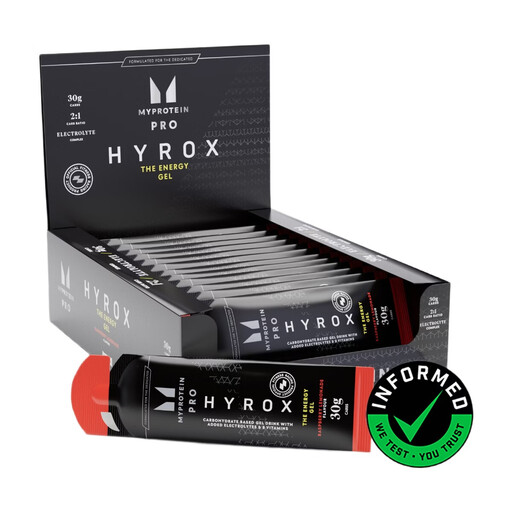
Why This Fits Their Persona: Designed for runners, cyclists and other users who need compact carbohydrate nutrition during prolonged or intense exercise.
Each 60ml serving provides 30g carbohydrate, with a stated maximum intake of six sachets in 24 hours.
Twenty individual sachets, plus magnesium, potassium and B vitamins listed in the ingredients.
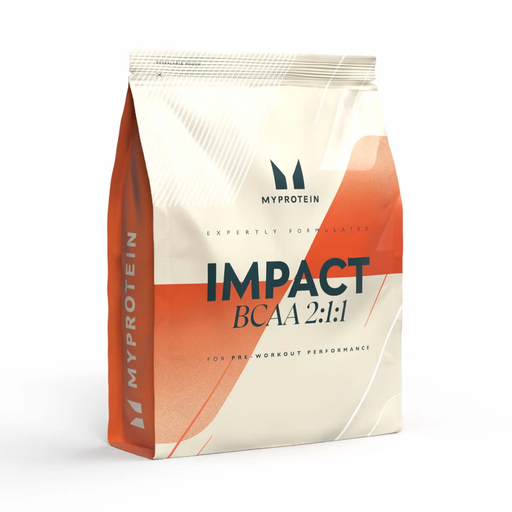
Why This Fits Their Persona: A portable choice for vegetarians and vegans looking for a BCAA powder to mix before, during or after training.
The label identifies the 2:1:1 blend and gives 2g leucine, 1g isoleucine and 1g valine per 5g serving.
The 250g tub provides 50 servings and is described as suitable for vegans and vegetarians; may contain milk.
We have compiled a complete, real-time list of products that fully satisfy these strict selection criteria and UK safety regulations.
Some products, including the listed BCAA and EAA powders, are described as suitable for vegetarians and vegans. Nevertheless, check the current packaging because manufacturing facilities may handle milk and formulations can change.
BCAA powder contains three branched-chain amino acids: leucine, isoleucine and valine. EAA powder contains all nine essential amino acids. Compare the active ingredients, serving size and dietary suitability, and remember that neither automatically replaces a varied diet or a complete protein source.
Keep them frozen at -18°C or colder, follow the cooking instructions and ensure the food is thoroughly hot before serving. Do not refreeze after thawing, and check the label for updated storage, allergen and preparation guidance.